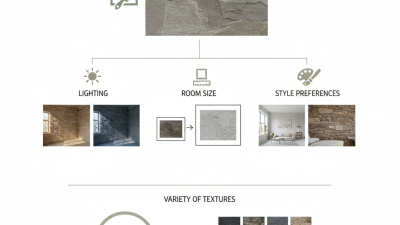
Why Choose a Faux Finish Stone Wall for Your Home Design?
In contemporary home design, the Faux Finish Stone Wall has gained remarkable popularity. According to the National Association of Home Builders, 75% of homeowners consider aesthetics paramount when renovating. A well-executed faux stone wall elevates visual appeal while maintaining an approachable budget.
These walls offer the beauty of natural stone without the hefty price tag. Industry studies show that projects featuring faux finishes can save homeowners up to 50% compared to traditional stone options. However, not all faux finishes are created equal. Some may lack the desired durability and authenticity. Buyers should conduct thorough research to find reliable materials and skilled installers.
Moreover, it's crucial to remember that trends can quickly change. What looks trendy today might seem outdated tomorrow. A faux finish stone wall can enhance your home’s character, but be mindful to choose a style that aligns with your long-term vision. The balance between style and functionality is essential in making this decision.
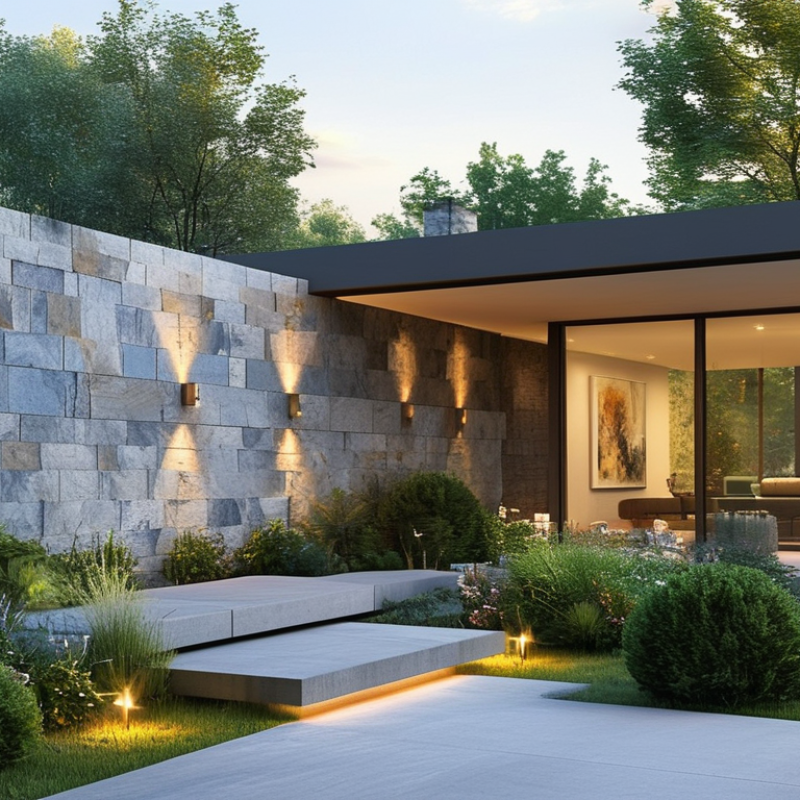
Benefits of Faux Finish Stone Walls in Home Design
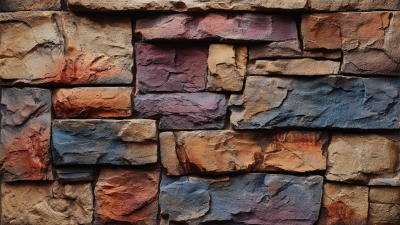
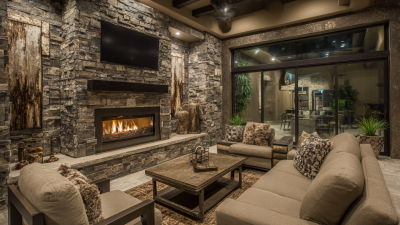
Faux finish stone walls bring a unique charm to home design. They mimic the look of natural stone, offering a rustic, elegant appeal. The materials used often include lightweight composites. This makes them easier to install compared to real stone. Homeowners appreciate the ability to create stunning focal points in living rooms or entryways.
Another advantage lies in the cost-effectiveness of faux finishes. Real stone can be expensive and heavy, increasing support needs in homes. Faux options reduce this burden and allow flexibility in design choices. They can also be painted or textured in various ways, offering even more customization.
Maintenance is often simpler with faux finishes. Natural stone can require extensive cleaning and sealing. Faux stone walls can be wiped down easily with a damp cloth. However, some methods might fade over time, requiring touch-ups. It's important to consider the long-term care involved. Embracing faux stone means balancing beauty with practicality.
Why Choose a Faux Finish Stone Wall for Your Home Design?
Comparison of Faux Stone to Natural Stone Materials
Faux stone materials have gained popularity in modern home design.
They offer a variety of styles while remaining budget-friendly. Compared to natural stone, faux finishes can greatly reduce installation costs.
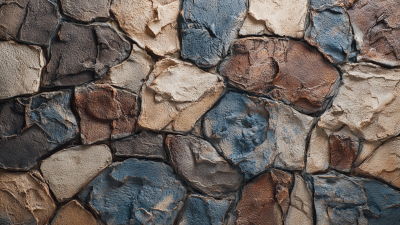
They mimic the look of real stone yet weigh significantly less. This makes them easier to handle and install, especially in DIY projects.
Natural stones are undoubtedly beautiful, but they can be heavy and expensive.
The quarrying process also raises environmental concerns. Faux stone, on the other hand, is often made from environmentally friendly materials.
Homeowners can enjoy a similar aesthetic, with less impact on the planet. However, the appearance of faux finishes can sometimes fall short of the depth and texture found in natural stone.
When considering faux stone for your walls, think about color and texture—these elements will define your space.
Opt for shades that complement your existing palette. Remember to consider maintenance; faux finishes may require occasional touch-ups.
It’s also wise to check reviews or case studies to gauge long-term performance.
Experimenting with faux options can lead to unexpected and creative design solutions.
Approach your choices thoughtfully.
Installation Process for Faux Finish Stone Walls
The installation process for faux finish stone walls involves several crucial steps. First, prepare the wall surface by cleaning it thoroughly. This allows the adhesive to bond better. The right type of adhesive is essential. According to industry reports, up to 70% of installation issues arise from improper adhesive selection.
Once the surface is ready, measure and cut the faux stone panels as needed. Accurate measurements reduce waste and showcase a professional look. Lay out the panels before fixing them to ensure a balanced design. Many experts recommend a staggered pattern for a more natural appearance.
After applying the adhesive, press the panels onto the wall firmly. Use a level to ensure alignment. The proper alignment can significantly enhance the aesthetic appeal. Sealing the edges can prevent moisture infiltration, a critical step overlooked by many homeowners. Industry data shows that homes with well-sealed faux walls experience 30% fewer maintenance issues over time. While some may find this process daunting, attention to detail in installation yields long-lasting results.
Maintenance Requirements for Faux Finish Stone Surfaces
Faux finish stone surfaces offer a stylish alternative to traditional stone walls. Maintaining these surfaces is crucial for ensuring their longevity and appearance. A typical faux stone wall is less porous than real stone, which helps resist stains. However, this doesn’t mean they are entirely maintenance-free.
Regular cleaning is necessary to preserve their beauty. Use a soft brush or a damp cloth to wipe off dust and grime. For tougher stains, a mild detergent mixed with water works effectively. It is essential to avoid harsh chemicals, as these can damage the faux finish over time. While faux stone is durable, extreme weather can impact its look. Inspecting the surfaces regularly helps catch any issues early.
The colors of faux finishes can fade with prolonged sun exposure. A fresh coat of sealant every few years can protect against this. However, this is often overlooked. Homeowners may hesitate to commit to the upkeep needed to keep these surfaces looking their best. Investing time and effort into maintenance ensures these walls remain a captivating element of home design.
Aesthetic Versatility of Faux Stone in Interior and Exterior Settings
Faux finish stone walls are gaining traction in home design for their aesthetic versatility. They create rich textures and patterns that mimic natural stone, enhancing both interiors and exteriors. According to a recent industry report, the faux stone market is projected to grow by over 6% annually through 2025. This trend indicates a rising preference for affordable yet stylish home design options.
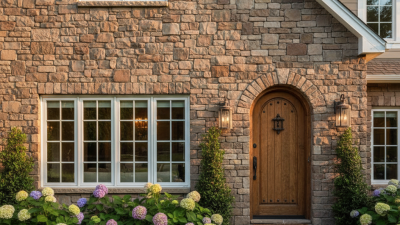
Using faux stone allows homeowners to explore a variety of styles. From rustic farmhouse to sleek modern, these walls can transform any space. For interior spaces, a faux stone wall can add warmth to a living room or create a focal point in a dining area. Meanwhile, exterior applications can elevate curb appeal, making a home more inviting.
Tip: When choosing a faux finish, consider the lighting in your space. Natural light can enhance its look but may also highlight imperfections. Additionally, ensure that installation is carried out by professionals to avoid uneven surfaces. Using quality materials is crucial, as not all faux stones have the same durability. Reflect on your design priorities, as a faux stone wall should complement your overall aesthetic rather than overwhelm it.