Why Choose Silicone Prosthetic Adhesive for Your Needs?
In the realm of prosthetics, the choice of adhesive is crucial. Experts emphasize the importance of using a reliable adhesive. Dr. Lila Johnson, a leading prosthetic specialist, states, “Silicone Prosthetic Adhesive represents a new era in secure attachment.” This adhesive is preferred due to its flexibility and skin compatibility.
Silicone Prosthetic Adhesive offers numerous advantages. It creates a strong bond while allowing for natural movement. Users appreciate its waterproof qualities and ease of removal. However, finding the right product can be overwhelming. There are various formulations available, and not every product suits every need.
For many, pain-free wear is a priority. By choosing the right silicone adhesive, one can minimize discomfort. Nevertheless, some users still encounter challenges. It is essential to experiment to find the best fit for individual circumstances. Engaging with experienced professionals can offer valuable insights into the best practices. Ultimately, validation from both research and user feedback can guide the choice of Silicone Prosthetic Adhesive.

Understanding Silicone Prosthetic Adhesive: A Comprehensive Guide
Silicone prosthetic adhesive is increasingly chosen for various applications. Understanding its composition and benefits can guide better decisions. This adhesive offers flexibility, durability, and skin-friendliness, making it suitable for various prosthetic needs.
Recent industry reports indicate that silicone adhesives have been found to provide superior bonding longevity, with some studies showing a retention rate of over 90% after 30 days of application. This high adhesion quality reduces the frequency of reapplication, saving time and resources. Many professionals prefer silicone adhesives due to their hypoallergenic properties, ensuring minimal skin irritation.
Despite their advantages, there are areas needing improvement. Users have reported occasional challenges with the curing time, which can extend beyond averages in certain conditions. The adhesive's performance can also vary with humidity and temperature. Such factors require careful consideration and adjustments during application, highlighting the need for user experience and trial. Engaging with experienced professionals can ease these challenges while providing insights into best practices for optimal use.
Key Benefits of Using Silicone Prosthetic Adhesive for People with Prosthetics
Silicone prosthetic adhesive offers significant benefits for individuals using prosthetics. It creates a secure bond between the prosthesis and skin, ensuring comfort and stability. This adhesive is flexible and can adapt to your body movements, which minimizes the risk of irritation. It also holds up well to water, making it ideal for daily use.
When applying silicone adhesive, clean the skin thoroughly. This helps ensure the adhesive sticks better and lasts longer. Allow the adhesive to set properly before relying on it. Rushing this process can lead to a less secure fit, which might cause discomfort later.
Another tip is to test for skin sensitivity. Although silicone is generally safe, individual reactions can differ. Apply a small amount to a less sensitive area first. This precaution can prevent potential issues. Remember, the goal is to achieve both comfort and security with your prosthetic.
Why Choose Silicone Prosthetic Adhesive for Your Needs? - Key Benefits of Using Silicone Prosthetic Adhesive for People with Prosthetics
| Benefit |
Description |
User Rating |
| Strong Adhesion |
Provides reliable and long-lasting attachment to the skin, ensuring security for the prosthetic. |
4.8/5 |
| Skin Compatibility |
Formulated to be gentle on all skin types, reducing irritation and allergic reactions. |
4.6/5 |
| Water Resistant |
Resistant to moisture, allowing users to engage in daily activities without worry. |
4.5/5 |
| Easy Removal |
Can be easily and cleanly removed without damaging skin or leaving residue. |
4.7/5 |
| Versatile Use |
Suitable for various types of prosthetics, from limbs to facial prosthetics. |
4.6/5 |
Types of Silicone Prosthetic Adhesive and Their Specific Uses
Silicone prosthetic adhesives come in various types, each tailored for specific applications. One common type is the medical-grade silicone adhesive. This variant is often used for skin appliances. It offers a gentle bond that is strong yet safe on sensitive skin. The application is typically straightforward, and it allows easy repositioning if necessary.
Another type is the silicone adhesive designed for high-mobility prosthetics. This formula can withstand extended movement and stress, making it ideal for active individuals. Its durability is a significant advantage, but users should be aware that it may require more preparation when applying. The drying time can vary, and some might find it challenging to manage initially.
Lastly, there are silicone adhesives developed for water-resistant uses. These are essential for individuals who participate in aquatic activities. While they offer protection against moisture, they may be harder to remove. Users often struggle with finding the right balance between adhesion and comfort. The trial and error in selecting the best type can lead to challenges, reinforcing the importance of proper research and application techniques.
Types of Silicone Prosthetic Adhesive and Their Specific Uses
Application Techniques for Silicone Prosthetic Adhesive You Should Know
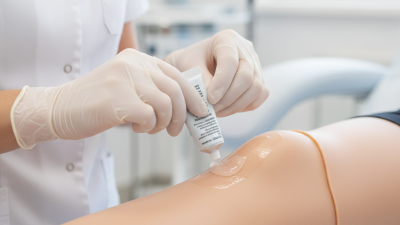
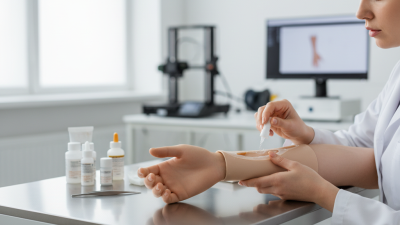
When it comes to applying silicone prosthetic adhesive, mastering the right techniques is crucial. Begin by ensuring the skin surface is clean and dry. This step removes any oils or residues that could interfere with adhesion. Use an alcohol wipe to prep the area, ensuring it's ready for the adhesive. Apply a thin layer of silicone adhesive, spreading it evenly with a clean applicator. Avoid over-application; too much adhesive can create a messy result.
After applying, give the adhesive a few minutes to become tacky before placing the prosthetic on the skin. Press down firmly but gently. Ensure contact across the entire area for optimal adhesion. If you notice air pockets, calmly lift the prosthetic and reapply. Matching the temperature of the adhesive and skin can help create a strong bond too.
Always test on a small area first. This precaution helps you understand how your skin reacts to the adhesive. If irritation occurs, discontinue use. Some users may find it hard to achieve the perfect application initially. Practice makes progress. It's essential to reflect on your process and adjust techniques as necessary. Each experience enhances your skill in applying the adhesive effectively.
Maintenance and Care Tips for Silicone Prosthetic Adhesives
Silicone prosthetic adhesives offer a practical solution for securing prosthetics comfortably. However, proper maintenance and care are essential to ensure longevity and effectiveness. Regularly inspect the adhesive for signs of wear or damage. Replace it if you notice any cracks or peeling. This simple practice can prevent discomfort and enhance safety.
Cleaning is a crucial aspect of care. Use a mild soap with water to clean both the silicone adhesive and the skin where it adheres. Avoid harsh chemicals that can damage the material. Gently pat dry after cleaning; excessive moisture can reduce adhesion. Ensure that your skin is clean and free from oils before applying the adhesive.
Storage is important too. Keep the adhesives in a cool, dry place. Excessive heat or humidity can degrade the adhesive properties. Understand that even high-quality materials have a shelf life. Regularly check expiration dates and replace as needed. These small maintenance tips can greatly improve your experience and performance with silicone prosthetic adhesives.