How to Choose the Best Single Sided Silicone Tape for Your Needs?
Choosing the right Single Sided Silicone Tape is crucial for various applications, from electronics to automotive. According to a recent market report by Transparency Market Research, the demand for advanced adhesive solutions, such as Single Sided Silicone Tape, is projected to grow at a CAGR of over 5% by 2026. This growth is driven by the need for durable and heat-resistant materials in modern manufacturing.
Expert Sarah Thompson, a leading specialist in adhesive technologies, highlights, “Selecting the appropriate Single Sided Silicone Tape can significantly enhance product performance.” This statement underscores the importance of understanding the specific needs of your project. Quality variations exist in the market, which can affect adhesion strength, temperature resistance, and ease of application.
When exploring options, it's vital to reflect on the intended use. Consider environmental factors, such as exposure to moisture or extreme temperatures. Many users overlook these details, which can lead to suboptimal choices. Evaluating these aspects early can help avoid future challenges and ensure the effectiveness of the selected tape.
Understanding the Properties of Single Sided Silicone Tape
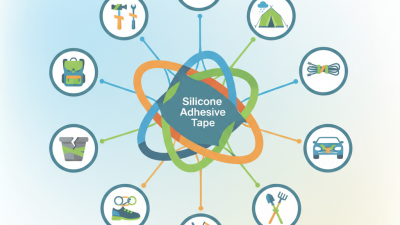
Single sided silicone tape is gaining popularity due to its versatility and unique properties. Understanding these properties is crucial for making the best choice. Silicone tape is known for its excellent temperature resistance. It can withstand temperatures ranging from -60°C to 260°C. This makes it suitable for a wide range of applications, including automotive and electrical insulation.
The adhesion strength of silicone tape is another significant factor. It offers a strong bond on various surfaces, including metals, plastics, and glass. Studies show that silicone tape maintains its adhesive properties even in humid conditions. This durability is essential in industries like construction, where reliability is key. The tape is also chemically resistant, making it ideal for use in environments exposed to harsh chemicals.
However, not all silicone tapes are equal. Buyers should consider the thickness, width, and specific application needs. Some tapes may not perform well in extreme conditions or on specific surfaces. Therefore, it’s vital to test the product under actual use conditions before making a final decision. A cautious approach ensures optimal performance and prevents future issues.
Identifying Your Specific Needs and Applications
When choosing the best single-sided silicone tape, understanding your specific needs is crucial. Identify the environment where the tape will be used. High temperatures or extreme weather conditions demand specialized tapes. For instance, if you need a tape for outdoor use, it must resist UV rays and moisture. This ensures durability and reliability in various conditions.
Consider the materials you’ll be working with. Silicone tape adheres well to many surfaces, but not all. If you plan to use the tape on metal, wood, or plastic, ensure it’s compatible. Remember that some surfaces might require surface preparation. This could mean cleaning or even sanding areas to enhance adhesion.
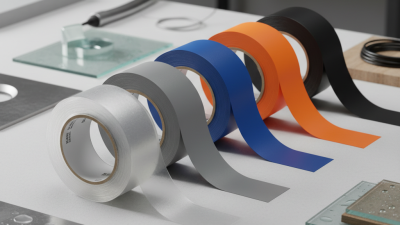
Think about the tape's thickness and width. Thicker tapes often provide better insulation and durability. However, they might be more challenging to handle. A tape that is too narrow could fall short of your needs, especially in heavy-duty applications. Don't overlook the importance of color, too. Visibility can matter in certain applications, especially in safety scenarios. Reflect on how these details are vital for your projects. Balancing these factors will lead you to the best choice.
Evaluating Thickness and Adhesive Strength of the Tape
When selecting the best single-sided silicone tape, evaluating its thickness and adhesive strength is crucial. Thickness can impact durability and application versatility. According to a report from the Adhesive and Sealant Council, ideally, a tape's thickness should range from 0.15mm to 0.60mm for most applications. Tapes on the higher end of this range offer greater strength but can be less flexible.
Adhesive strength is another critical factor. The American Society for Testing and Materials defines adhesive strength as the force required to overcome the bond between the tape and the surface. Research indicates that silicone tapes with a peel adhesion strength of at least 2 N/cm are effective for most standard applications. However, personal experiences vary. Some users find that even with high adhesive ratings, performance can decrease in humid conditions.
It's valuable to consider how the tape adheres to different materials. For example, while silicone tape works well on glass and metal, it may perform poorly on porous surfaces. Thus, buyers often reflect on their specific needs and environmental conditions. Understanding these factors can lead to a more informed decision, making it clear that even a small choice in tape can have significant consequences for the results.
Comparing Brand Options and Price Points
When choosing single-sided silicone tape, comparing brand options and price points is essential. The market offers multiple brands, each with distinct features. Some brands may promise high strength but lack good adhesion. Others might be affordable yet fall short on durability.
Consider the intended use. If you need tape for extreme temperatures, pay attention to the specifications. Some options excel in heat resistance, while others may degrade quickly. The price can often reflect these capabilities, but not always.
**Tips:** Look for user reviews that discuss long-term performance. Genuine feedback reveals how the tape really behaves over time. Watch for details on adhesive effectiveness. Sometimes, cheaper tapes stick for a day and then peel off.
Don't overlook packaging size when comparing prices. Smaller rolls may seem cheaper initially but often cost more over time. Think about how much tape you actually need. Buying in bulk may save you money and ensure you have enough for future projects.
Comparison of Single Sided Silicone Tape Options
Reading Reviews and Seeking Recommendations for Quality
When searching for the best single-sided silicone tape, reading reviews is essential.
Reviews provide insights from real users.
They share their experiences with different types of tape. Look for comments on adhesion, durability, and ease of use.
Detailed reviews often highlight specific applications. Some users report that certain tapes did not meet their expectations.
This can be a red flag.
Seeking recommendations is another great strategy. Connecting with professionals in your field can lead to valuable advice.
Friends or colleagues might already have preferred products. Their firsthand experiences can be more trustworthy than generic advertisements.
Pay attention to the context of their recommendations. What worked for them might not work for you.
This requires careful thought and consideration.
Being thorough in your research is crucial. Don’t overlook low-star reviews. They can reveal potential issues.
Reflect on your own needs and how specific tapes could meet them.
Everyone’s situation differs, making personalized feedback invaluable.
Your choice should be informed, not impulsive. Quality matters, and user experiences guide you toward the right selection.