How to Choose the Best Stone Coated Tiles for Your Project?
Choosing the best Stone Coated Tiles for your project is crucial for ensuring durability and aesthetic appeal. These tiles provide exceptional weather resistance, making them a preferred choice in areas with extreme climates. According to recent industry reports, the demand for Stone Coated Tiles has surged by 30% over the past five years, highlighting their growing popularity among homeowners and builders alike.
However, selecting the right tile can be challenging. Different products offer varying levels of performance and design. Not all manufacturers meet the same quality standards. For instance, a study revealed that 15% of tiles tested did not meet industry durability benchmarks. This emphasizes the importance of careful evaluation before making a decision.
When evaluating options, consider factors such as warranty offerings, aesthetics, and installation requirements. High-quality Stone Coated Tiles should balance visual appeal with strength. As the industry evolves, continuous research will shape future innovations, but buyers must remain informed and discerning. Understanding these aspects can lead to a more satisfying and successful project outcome.
Understanding Stone Coated Tiles: Material Composition and Benefits
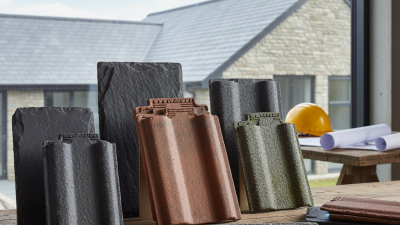
Understanding the composition of stone coated tiles is key to making an informed choice. These tiles typically consist of a steel core, coated with a layer of stone granules. This provides durability and an attractive finish. The stone granules also enhance the tiles' resistance to UV rays and harsh weather conditions. This advanced technology ensures longevity and low maintenance.
The benefits of stone coated tiles extend beyond aesthetics. They are lightweight, making installation easier than traditional roofing materials. Their reflective properties contribute to energy efficiency, keeping homes cooler in summer. However, not all stone coated tiles are created equal. The quality may vary, leading to potential issues over time. It's essential to evaluate the manufacturing process and materials used.
Choosing the right stone coated tiles involves more than just surface appeal. Consider factors like insulation properties and warranty conditions. Some tiles may appear appealing but lack adequate performance. Reflect on your specific project needs and local climate conditions. Ensure that the tiles you choose align with your long-term goals for durability and efficiency.
Assessing Durability: Lifespan and Performance Factors of Stone Coated Tiles
When selecting stone coated tiles, durability is a key factor. These tiles generally have a lifespan ranging from 30 to 50 years. According to industry data, factors such as resistance to weather, impact, and UV rays significantly influence their longevity. For instance, tiles with high UV resistance are less likely to fade over time. This can be crucial in areas with intense sunlight.
Performance also hinges on the underlying materials used in the tiles. A study published in a roofing industry report reveals that tiles made with high-quality steel offer superior strength. This strength is vital for withstanding severe weather conditions. However, not all products are made equal; low-quality materials can lead to premature wear and tear.
Moreover, installation plays a crucial role in durability. Properly installed tiles can enhance overall performance. Improper installation may result in leaks or tile detachment. Homeowners should always consult established guidelines to ensure best practices in installation. Reflecting on these factors can guide your choice in the right stone coated tiles for your project.
Evaluating Aesthetic Options: Colors, Textures, and Design Trends
Choosing the right stone-coated tiles for your project involves an investigation into aesthetic options. Color, texture, and design trends play a critical role. According to a recent industry report, 45% of homeowners prioritize color when selecting roofing materials. This preference impacts not just the home's appearance but its market value as well.
Textures can create distinct visual interest. For example, tiles with a rough finish often evoke a rustic charm, while smoother options convey modern elegance. Current design trends show a shift towards earthy tones and bold colors. Industry experts note that neutral shades, like deep grays and browns, are consistently popular. However, brighter hues are gaining traction in contemporary designs, appealing to those who wish to stand out.
When reflecting on tile design, consider how these choices affect overall aesthetics. Each option has its pros and cons. Some colors may fade sooner than others, while certain textures can trap dirt. Understanding these nuances helps homeowners make informed decisions. Striking a balance between personal preference and practicality is essential for optimal results.
Cost Analysis: Comparing Stone Coated Tiles with Other Roofing Materials
When considering stone coated tiles for roofing, cost is often a primary factor. These tiles tend to be priced competitively compared to traditional roofing materials. For example, asphalt shingles are generally cheaper upfront but may require frequent replacements. In contrast, stone coated tiles offer durability and a longer lifespan, making them a worthwhile investment.
However, the initial cost of stone coated tiles can be higher compared to materials like metal roofing. It's crucial to calculate long-term expenses. Despite their higher upfront price, stone coated tiles may reduce maintenance costs significantly. Their resistance to harsh weather can result in fewer repairs over time.
Evaluating the total cost of ownership is essential. Professionals recommend factoring in warranty periods and life expectancy. A comprehensive cost analysis can uncover hidden expenses that impact overall budget. Understanding these nuances reflects a more informed decision-making process. Don't overlook installation costs, as they vary widely based on location and complexity.
Installation Considerations: Professional vs DIY Approaches and Best Practices
When considering stone coated tile installation, choosing between a professional contractor or a DIY approach can significantly impact the project outcome. Hiring professionals ensures a high level of expertise. They bring skills and experience, reducing the chance of errors. A professional can handle unexpected challenges efficiently. However, the cost of hiring can be a barrier for many.
For the DIY enthusiast, installing stone coated tiles can be rewarding. It allows for personal expression and can cut costs. But, it requires careful planning and research. A single mistake, like incorrect measurements, can lead to wasted materials and extra expenses. Knowing the specific tools and techniques used is crucial. Many resources are available online. Yet, not all are reliable. Always look for credible sources that demonstrate best practices.
Engaging in a DIY project also means facing potential setbacks. There might be a lack of immediate support for troubleshooting. This can lead to frustration during the installation process. Reflecting on past projects can help in making informed decisions. It’s essential to weigh your skills against the complexities of the task. Ultimately, both approaches have merits and drawbacks to consider.