Why Choose Faux Stone for Your Home Renovation Needs?
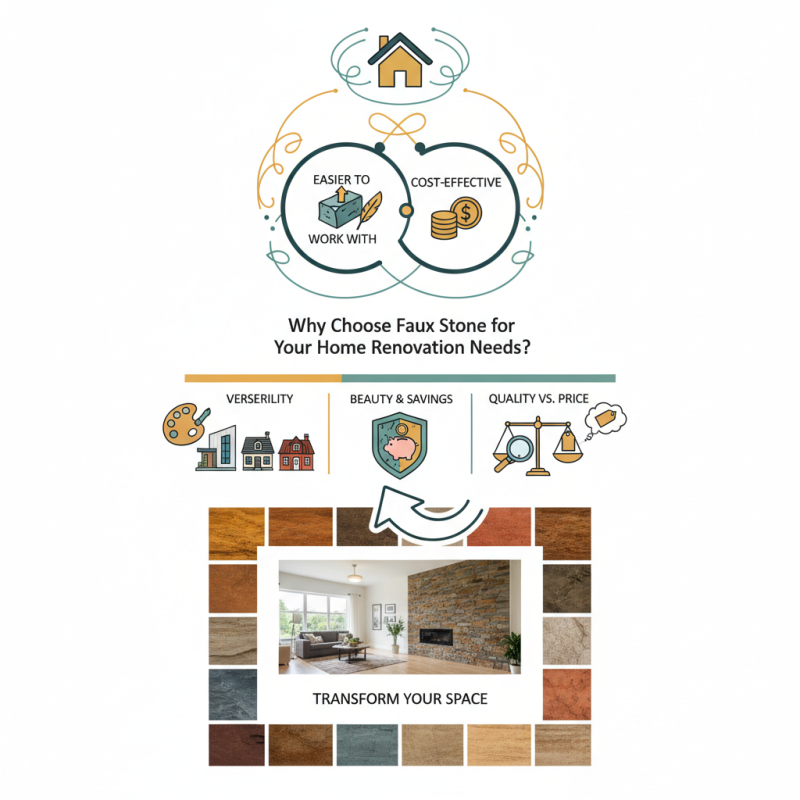
When considering home renovations, choosing the right materials is essential. Faux stone emerges as a popular choice among homeowners. It mimics the appearance of natural stone while offering unique benefits. This material is lighter than real stone, making it easier to work with.
Faux stone comes in various colors and textures. This versatility allows it to blend seamlessly with different architectural styles. Many homeowners appreciate its cost-effectiveness as well. Faux stone can provide the same aesthetic appeal as natural stone but at a lower price.
However, not all faux stone products are created equal. There are variations in quality, which can affect the overall look. It's essential to research and choose reputable brands. Faux stone can offer beauty and savings, but one must reflect on quality versus price. This material holds great potential for transforming your space if selected carefully.
Benefits of Faux Stone in Home Renovation Projects
Faux stone is rapidly gaining popularity in home renovation projects. Its appeal lies in the visual resemblance to natural stone, while offering significant practical benefits. According to a report from the National Association of Home Builders, more homeowners are opting for faux materials due to lower costs and easier installation. Faux stone can reduce your renovation budget by up to 30%, making it a viable option for many.
Beyond cost savings, faux stone provides improved versatility in design. It can be used for both indoor and outdoor applications. This is especially beneficial for homeowners seeking a cohesive look. However, there are areas where faux stone may not perform as well as natural stone, particularly in extreme weather conditions. It’s essential to weigh these factors before committing.
Tip: When selecting faux stone, pay attention to texture and color variety. Realistic options contribute to a more authentic feel. Consider how the product will interact with your existing home design. A thoughtfully chosen faux stone can elevate your space and create stunning visual appeal. Keep in mind that while faux stone is durable, regular maintenance ensures it retains its beauty over time.
Durability and Maintenance Advantages of Faux Stone
Faux stone is becoming a popular choice for home renovations, especially due to its durability and low maintenance needs. Reports show that faux stone products can withstand harsh weather conditions. They resist cracking, chipping, and fading better than natural stone. This resilience makes them a smart investment for homeowners looking for longevity.
When considering faux stone, it's important to note that it often requires less upkeep. Unlike natural stone, faux options don’t require sealing or special cleaning agents. A simple soap and water solution is usually enough. This can save homeowners time and money. According to a recent industry study, maintenance costs for faux stone are 30% lower over five years compared to traditional materials.
Tips: Select faux stone that mimics the look of natural stone closely. This ensures a beautiful aesthetic appeal. Always check for quality when purchasing; cheaper products may not last as long. Faux stone is not perfect, but its advantages can outweigh its imperfections. Testing samples is wise to confirm the desired look. Consider how it fits in your design plan and lifestyle.
Cost-Effectiveness Compared to Natural Stone Options
Faux stone offers a unique blend of beauty and budget-friendliness. Many homeowners are drawn to its aesthetic appeal. It mimics the appearance of natural stone without the hefty price tag. This option is particularly attractive for major renovations and smaller projects alike. With faux stone, you can achieve a gorgeous look without compromising on quality.
Cost-effectiveness is a game changer. Natural stone can be expensive and requires specific installation methods. Faux stone, on the other hand, can often be handled easily. Installation can be quicker, reducing labor costs. Additionally, the maintenance of faux stone is simpler. You don’t need to worry about sealing and special cleaning. It withstands the elements well, which is a plus for outdoor applications.
However, there are upsides and downsides. Some might question the durability compared to natural alternatives. Faux stone can chip or crack under extreme conditions. It’s essential to weigh these factors when making choices. Choosing faux stone is a balancing act between cost and long-term satisfaction.
Why Choose Faux Stone for Your Home Renovation Needs? - Cost-Effectiveness Compared to Natural Stone Options
| Feature |
Faux Stone |
Natural Stone |
| Cost per Square Foot |
$10 - $15 |
$25 - $75 |
| Installation Time |
1 - 2 Days |
2 - 4 Days |
| Weight |
Lightweight |
Heavy |
| Maintenance |
Low Maintenance |
High Maintenance |
| Weather Resistance |
Highly Resistant |
Variable |
| Aesthetic Variety |
Wide Range of Styles |
Limited Styles |
| Environmental Impact |
Lower Impact |
Higher Impact |
Aesthetic Versatility: Faux Stone Design Possibilities
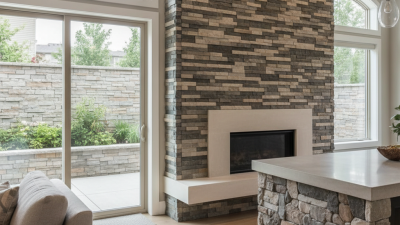
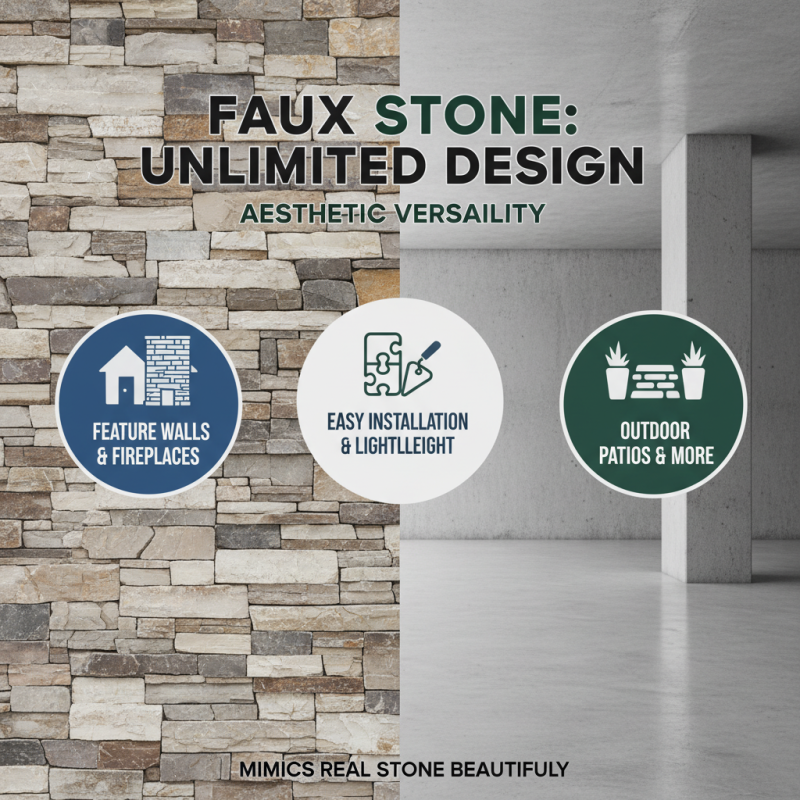
Faux stone offers incredible aesthetic versatility for home renovations. It mimics real stone beautifully while being lightweight and easy to install. You can use faux stone in various settings, from feature walls to outdoor patios. The options are limitless, allowing you to create that rustic charm or modern flair.
Tips: Mix different colors and textures for a unique look. Don't be afraid to experiment with layouts. Sometimes, a bold approach leads to stunning results.
Consider matching faux stone with complementary materials, like wood or metal. This combination can create depth and interest in any space. Remember, imperfect finishes can add character. Embrace variations in color and texture; they often tell a story of craftsmanship.
Depending on your style, faux stone can suit traditional or contemporary homes. It provides versatility without the high cost of natural stone. Reflect on how each style resonates with you. This thought can guide your design choices.
Installation Process and Considerations for Faux Stone
Faux stone has become a popular choice for home renovations due to its aesthetic appeal and versatility. The installation process, however, can be intricate. First, homeowners must ensure the correct surface preparation. A clean, dry base is crucial. This can prevent future issues, such as moisture problems or uneven surfaces. Studies show that 76% of installation problems stem from inadequate surface prep.
Choosing the right adhesive is essential in the installation. Many experts recommend a specific type that suits various substrates. This choice can impact the longevity and appearance of the faux stone. Proper application techniques, like using consistent pressure and avoiding air pockets, can enhance the overall look. Interestingly, a report from the National Association of Home Builders noted that proper installation can extend the lifespan of faux stone by up to 30%.
Despite its advantages, faux stone isn't without challenges. It's important to consider the weight of the materials. They can become cumbersome during installation. Additional labor might be necessary. Homeowners should also account for potential mismatches in color or texture. This could lead to unsatisfactory results. A visual assessment before installation can help mitigate these issues. Many homeowners overlook this step, leading to regrets after completion.
Why Choose Faux Stone for Your Home Renovation Needs?
This chart compares the advantages of faux stone against natural stone in several key areas, showcasing why faux stone might be the preferred choice for home renovation projects.