How to Choose the Right Hot Melt Silicone for Your Needs?
Choosing the right Hot Melt Silicone can significantly impact your projects. You may wonder which type is best for your needs. Understanding the various options and their applications is crucial.
Hot Melt Silicone is known for its versatility and performance. Different formulations cater to diverse industries, from packaging to electronics. Professionals often feel overwhelmed by choices. Evaluating specific project requirements can help clarify your decision.
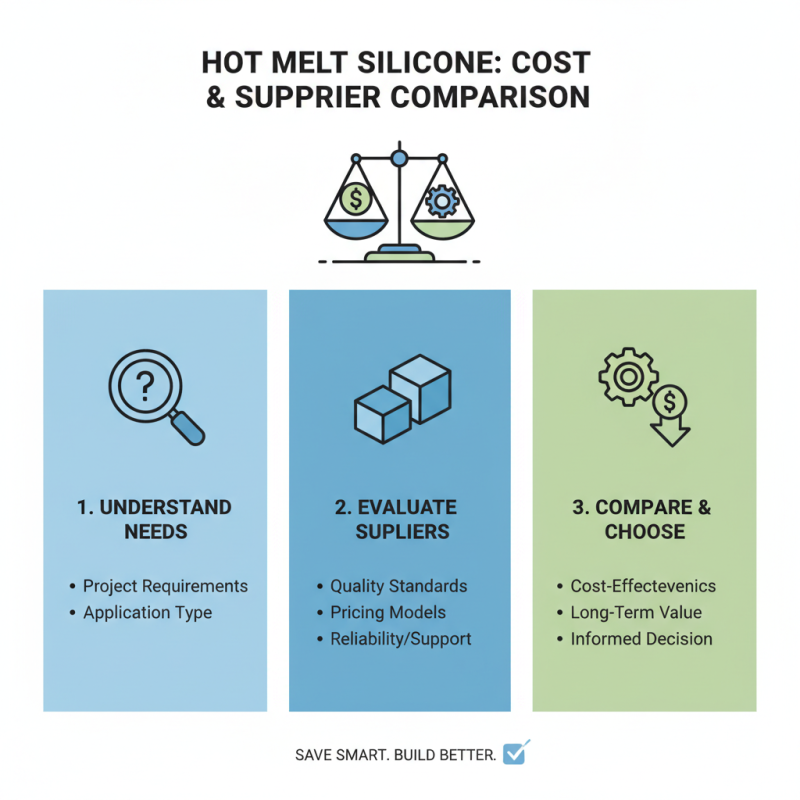
While many products boast high strength and durability, some may not perform as expected. Testing and gathering feedback can provide insight. Remember that quality varies across manufacturers. Relying on trusted sources will guide you in making informed decisions. As you assess your options, consider both your immediate and long-term needs.
Understanding Hot Melt Silicone: Composition and Properties
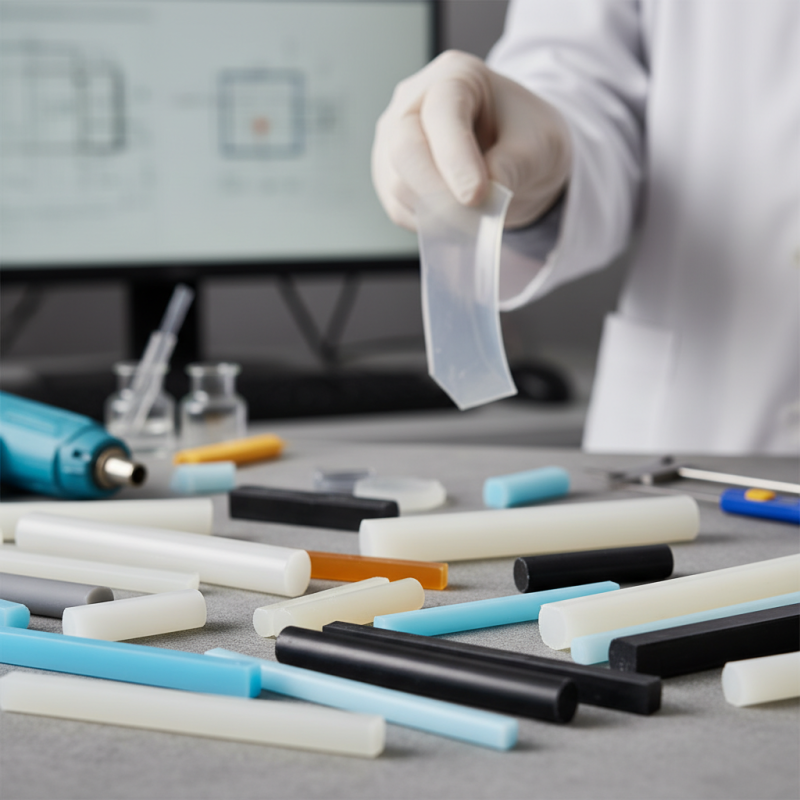
Hot melt silicone is an essential material in various industries. Understanding its composition is vital for effective application. This adhesive type is primarily made from silicone polymers combined with additives. These additives create distinct properties, such as enhanced flexibility or heat resistance. The composition affects adhesion, curing time, and durability.
The properties of hot melt silicone vary widely. Some formulations provide superior bonding capabilities, while others excel in temperature stability. For example, high-temperature resistance is crucial in automotive applications. However, achieving the right balance between flexibility and strength can be challenging. Each application demands specific characteristics, underscoring the need for careful selection. Testing different formulations ensures the best fit for your specific project needs.
Identifying Your Application Needs for Hot Melt Silicone
When selecting hot melt silicone, understanding your application needs is crucial. Different industries vary in their requirements. For instance, the electronics sector often requires silicone with excellent thermal stability. In contrast, automotive applications benefit from high durability and impact resistance. The properties of hot melt silicones can directly influence the effectiveness of assembly processes in these fields.
According to a 2022 market report, the demand for hot melt adhesives, including silicon-based options, is projected to grow at a rate of 5.8% annually. This growth reflects the increasing need for versatile bonding solutions across various applications. Also, understanding viscosity and curing time is vital. Too thick a formula can lead to application challenges, while too thin might reduce bonding strength.
Analyzing the specific environment of use is often overlooked. Temperature fluctuations and exposure to chemicals can impact silicone's effectiveness. Some users have found that they may have misjudged performance factors such as adhesion levels in specific circumstances. Before making a final choice, thorough testing under realistic conditions is recommended to ensure suitability.
Evaluating the Performance Characteristics of Different Formulations
When selecting hot melt silicone, it's crucial to evaluate performance characteristics. Different formulations can significantly impact your project's success. Consider factors like adhesion strength, flexibility, and temperature resistance. Each formulation may behave differently under varying conditions.
Adhesion strength is a key aspect. Some silicones bond better to specific substrates. Testing samples on your materials can help. Flexibility is another vital characteristic. A more flexible silicone may be necessary for applications involving movement or stress. However, too much flexibility can sacrifice stability, leading to failures in critical situations.
Temperature resistance is essential for high-heat environments. Formulations vary in how they perform under thermal stress. Monitor their behavior in practice. Many users find that common formulations may not meet their unique needs. It’s essential to document tests and adjust formulations. Regular reviews can lead to improvements and insights. Balancing these performance characteristics ensures better outcomes in your projects.
Assessing Environmental and Safety Considerations for Use
Selecting the right hot melt silicone goes beyond functionality; environmental and safety considerations are crucial. Many hot melt adhesives contain volatile organic compounds (VOCs) that can harm air quality. According to a report by the Environmental Protection Agency, nearly 15% of industrial VOC emissions originate from adhesive manufacturing. Users must consider these impacts in their selection process.
It's essential to examine safety data sheets (SDS) for any silicone product. Look for details about toxicity, flammability, and environmental effects. Proper ventilation is a must when working with these materials. Data from the National Institute for Occupational Safety and Health (NIOSH) suggests that prolonged exposure to certain adhesives can lead to respiratory issues.
Tips: Always wear appropriate protective gear when handling hot melt silicone. Use in well-ventilated areas to minimize exposure. Regularly assess workspace safety to prevent potential hazards.
When evaluating eco-friendliness, explore options labeled as low-VOC or biodegradable. Such products lessen environmental burdens and may also meet regulatory requirements. However, not all manufacturers disclose complete information. Therefore, independent testing results can be invaluable. Ultimately, a careful, informed decision ensures both safety and environmental responsibility.