10 Essential Tips for Using Silicone Prosthetic Adhesive Effectively
In the realm of prosthetics, the effective use of materials is paramount for ensuring comfort and functionality for users. One such critical material is Silicone Prosthetic Adhesive, known for its flexibility, durability, and skin-friendliness. According to a report by the American Society of Prosthetics and Orthotics, the proper application of silicone adhesives can significantly enhance the wearability of prosthetic devices, thereby improving the overall quality of life for individuals relying on them. In fact, studies indicate that patients using high-quality silicone adhesives report a 30% increase in satisfaction regarding the fit and comfort of their prosthetics.
Professionals in the field underscore that knowledge of adhesive application techniques is vital for optimal performance. According to industry insights, improperly applied Silicone Prosthetic Adhesive can lead to complications such as skin irritation and prosthetic loosening, highlighting the importance of following best practices. This article aims to share ten essential tips that not only maximize the effectiveness of Silicone Prosthetic Adhesive but also promote skin health and user confidence. By adhering to these guidelines, prosthetic users and practitioners alike can ensure a more reliable and comfortable experience, paving the way for enhanced mobility and independence.
Understanding Silicone Prosthetic Adhesive and Its Applications
Silicone prosthetic adhesives play a crucial role in the field of medical prosthetics, ensuring stability and comfort for users. These adhesives are specially formulated to bond silicone materials, which are common in modern prosthetic limbs and facial prostheses. According to a report from the International Society for Prosthetics and Orthotics, over 2 million people worldwide rely on prosthetic devices, where the effectiveness of silicone adhesives can significantly enhance the user experience by providing better wear and tear resistance and skin compatibility.
Specific applications, such as securing prosthetic limbs for active individuals, illustrate the importance of these adhesives. Studies indicate that proper usage of silicone adhesives can prolong the lifespan of prosthetic devices by up to 30%, reducing the frequency of replacements and associated costs. Additionally, advancements in adhesive technology have led to hypoallergenic formulations, making them suitable for users with sensitive skin, which has been highlighted in recent dermatological assessments. Understanding the various applications and benefits of silicone prosthetic adhesives is essential for both practitioners and patients to maximize performance and comfort.
Preparing the Skin for Optimal Adhesive Bonding
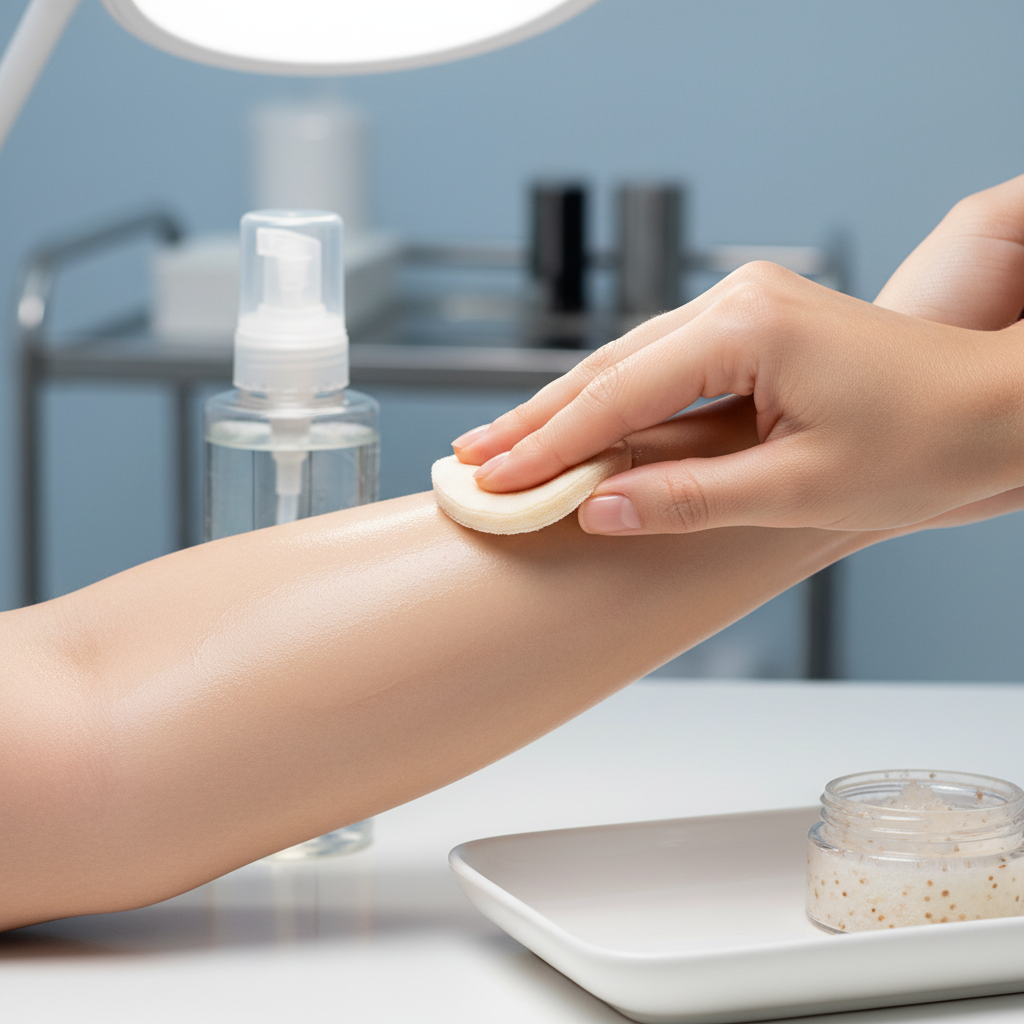
Preparing the skin properly is crucial for achieving optimal bonding when using silicone prosthetic adhesive. Before applying the adhesive, it is important to clean and exfoliate the skin in the area where the prosthetic will be affixed. This can be done using a gentle cleanser to remove any dirt, oil, or makeup residue, followed by a light exfoliation with a suitable scrub or pad. By ensuring that the skin is free of impurities, you create a smoother surface for the adhesive, enhancing its adherence and effectiveness.
Additionally, consider the pH balance of the skin. Using an alcohol-free toner can help remove any excess oils while also preparing the skin’s surface for maximum adherence. After cleansing and toning, allow the skin to dry completely before proceeding with the application of the silicone prosthetic adhesive. This step is vital, as moisture can interfere with the bonding process, potentially causing the prosthetic to lift or become uncomfortable. By taking these preparatory steps, you ensure a strong, reliable bond that will enhance the performance of your silicone prosthetic.
Step-by-Step Application Process for Silicone Adhesive
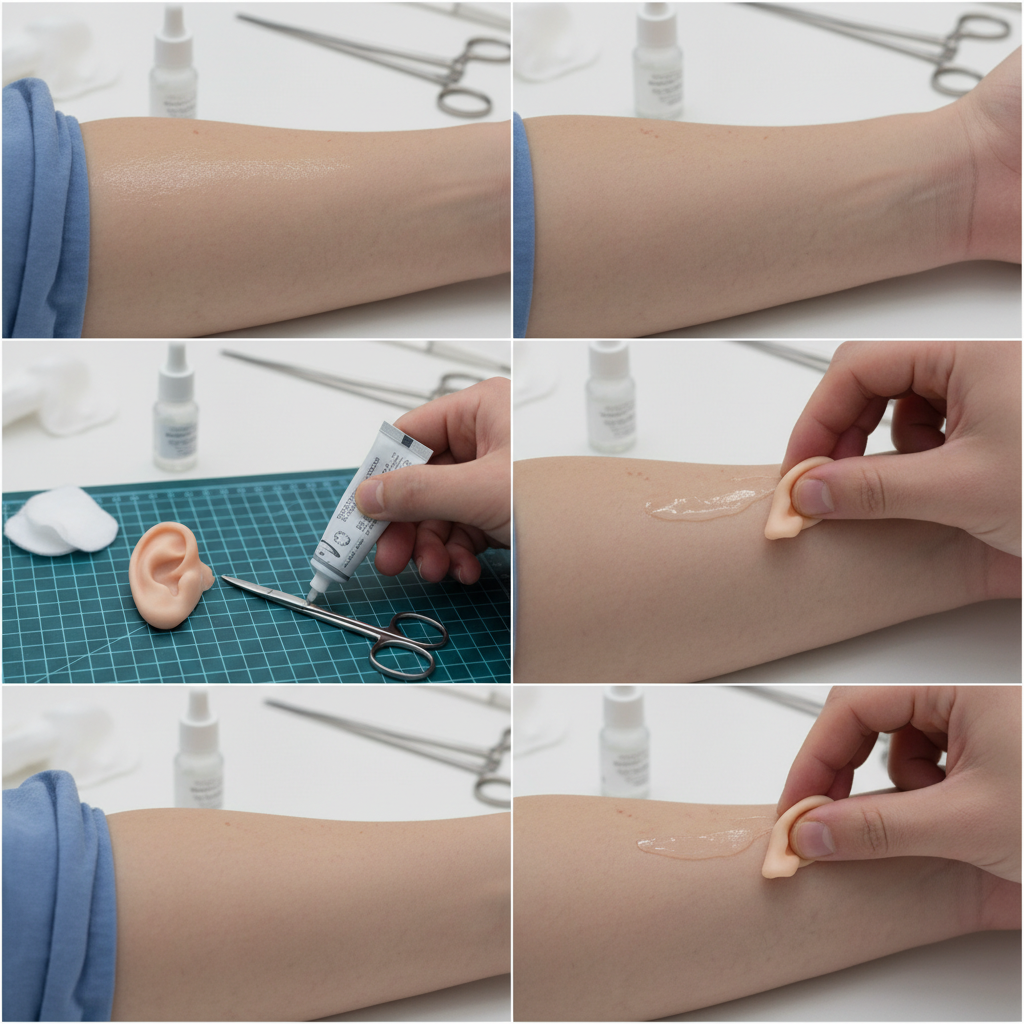
When using silicone prosthetic adhesive, following a step-by-step application process is crucial for achieving optimal results.
Begin by preparing the skin; it should be clean and dry to enhance adhesion. Trim the silicone prosthetic to ensure it fits the area
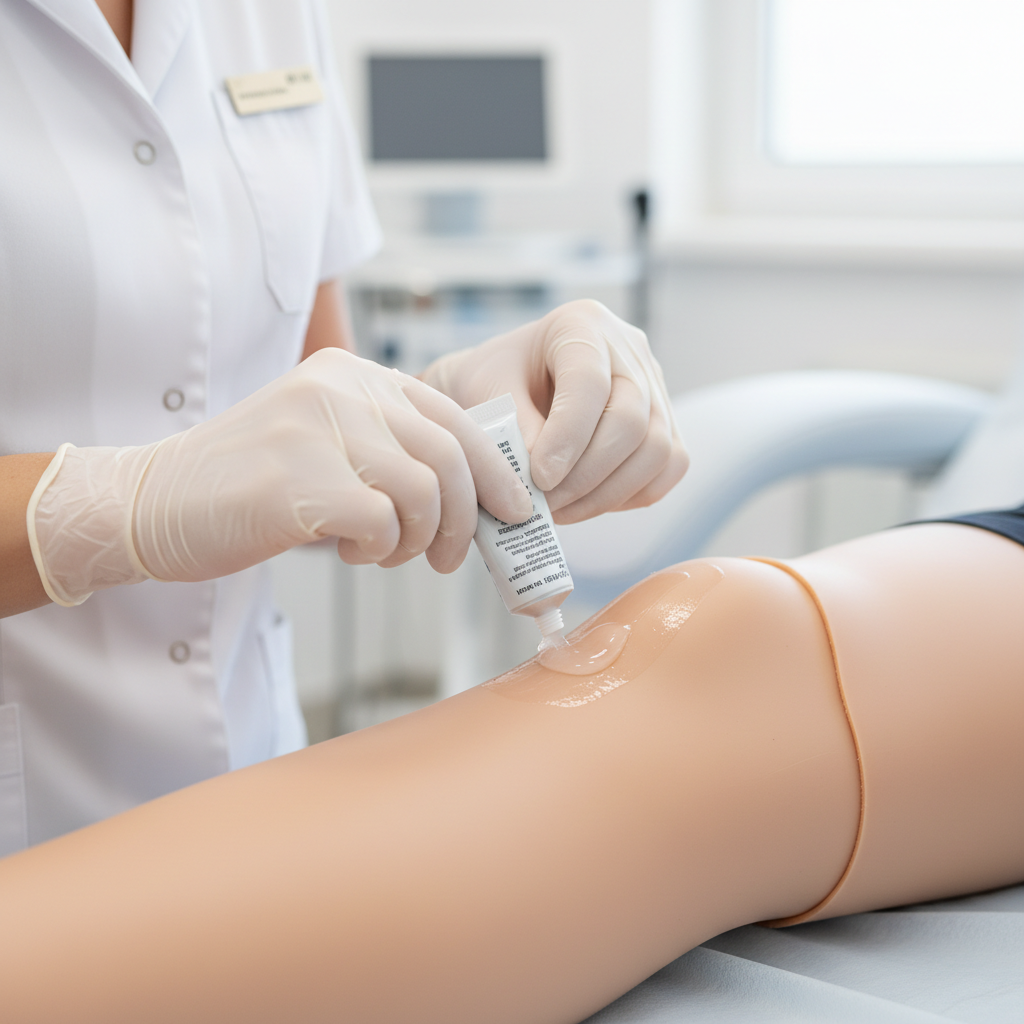
without pulling at the edges. Next, apply a thin, even layer of adhesive to both the prosthetic and the skin, allowing it to become tacky before positioning the
prosthetic. Press it firmly in place and hold for a few moments to secure the bond.
Once the prosthetic is positioned, use a soft cloth or sponge to smooth out any edges, ensuring a seamless look. After application, wait for the recommended
curing time to allow the adhesive to set fully. Throughout the day, monitor the bond and make touch-ups as needed, especially if engaging in activities that
might stress the adhesive. These steps not only improve the durability of the prosthetic but also enhance comfort, making it a valuable tool
in various scenarios, whether for theatrical performances or cosmetic enhancement.
Maintenance Tips for Longevity of Adhesive and Prosthetics
Silicone prosthetic adhesive plays a crucial role in ensuring the stability and comfort of prosthetic devices. However, the longevity of both the adhesive and the prosthetics heavily relies on proper maintenance practices. According to a report by the American Academy of Orthopedic Surgeons, improper maintenance can lead to a 30% reduction in the lifespan of prosthetic devices. Therefore, to ensure optimal performance, it is essential to follow specific maintenance guidelines.
One vital maintenance tip is to regularly clean the prosthetic area and the adhesive site using mild soap and water, avoiding harsh chemicals that can degrade the silicone properties. Furthermore, in a study published in the Journal of Prosthetics and Orthotics, researchers found that a meticulous cleaning routine could prolong the adhesive's effectiveness by up to 50%. Users are also encouraged to check for signs of wear and tear on both the adhesive and prosthetic surfaces, replacing them as needed to maintain a secure fit and promote skin health.
Additionally, storing silicones in a cool, dry environment is key to preserving their effectiveness. A report from the International Society for Prosthetics and Orthotics emphasizes that exposure to heat and moisture can compromise adhesive properties significantly. Following these maintenance tips not only enhances the adhesive's longevity but also ensures that prosthetics remain comfortable and reliable for daily use.
10 Essential Tips for Using Silicone Prosthetic Adhesive Effectively
| Tip Number |
Tip Description |
Maintenance Frequency |
Expected Longevity |
| 1 |
Clean the skin thoroughly before application. |
Every use |
N/A |
| 2 |
Apply the adhesive in a thin, even layer. |
Every use |
N/A |
| 3 |
Allow the adhesive to become tacky before attaching the prosthetic. |
Every use |
N/A |
| 4 |
Use a skin barrier to protect sensitive skin. |
As needed |
N/A |
| 5 |
Store adhesive in a cool, dry place away from sunlight. |
Always |
1-2 years |
| 6 |
Check expiration dates and replace expired products. |
Monthly |
N/A |
| 7 |
Learn the correct removal techniques to avoid skin damage. |
Every use |
N/A |
| 8 |
Use recommended cleaners to maintain prosthetics. |
Weekly |
1-3 years |
| 9 |
Avoid exposure to harsh chemicals and oils. |
Always |
N/A |
| 10 |
Consult with professionals for personalized advice. |
As needed |
N/A |
Troubleshooting Common Issues with Silicone Prosthetic Adhesive
When using silicone prosthetic adhesive, some common issues can arise that affect the longevity and efficacy of the adhesion. One prevalent problem is skin irritation, which affects approximately 20% of users according to the Journal of Prosthetics and Orthotics. Ensuring that the skin is clean and free from oils before application can significantly reduce the risk of irritation. It's also advisable to conduct a patch test on a small area of skin to check for any allergic reactions before full application.
Another common issue is the adhesive failing to bond effectively, often due to environmental factors such as humidity and temperature. Reports indicate that adhesives can lose up to 30% of their holding power in high humidity conditions. To troubleshoot this, make sure to store the adhesive in a controlled environment and consider using a primer or skin sealant to enhance adhesion. Users should also apply the adhesive in a dry area to optimize its effectiveness. Proper technique and adherence to these guidelines can help mitigate these common issues and maximize the performance of silicone prosthetic adhesives.