What is Faux Stone and How is it Used in Home Design?
Faux Stone is increasingly popular in home design. This versatile material offers the beauty of natural stone without the hefty cost. According to a recent report by the National Association of Home Builders, the demand for Faux Stone products surged by 30% over the last five years.
Industry expert John Delaney notes, "Faux Stone allows homeowners to achieve a high-end look without breaking the bank." The lightweight nature of Faux Stone makes it easy to handle and install, but some may question its long-term durability compared to real stone.
While Faux Stone is designed to endure, there are still concerns about fading or chipping over time. Homeowners must weigh these factors carefully when choosing this material. As the trend continues to grow, the landscape of home design evolves, driven by the aesthetic appeal and practicality of Faux Stone.
Definition and Characteristics of Faux Stone in Home Design
Faux stone has gained popularity in home design due to its affordability and versatility. Defined as a synthetic material made to imitate natural stone, faux stone offers various textures and colors. According to industry reports, the market for faux materials is projected to grow by 8% annually. This reflects a broader trend towards sustainable and cost-effective building solutions.
Characteristics of faux stone include lightweight properties and ease of installation. Unlike traditional stone, which can be quite heavy, faux stone can be installed without special equipment. Homeowners appreciate that faux stone can mimic high-end looks without the high price. Moreover, it can be used both indoors and outdoors, making it a flexible choice for various projects.
However, not all faux stones are created equal. Some may not hold up as well over time. Homeowners should thoroughly research materials and consult experts before making decisions. The aesthetic appeal must be balanced with durability and maintenance needs. Understanding these aspects is crucial for achieving desired results in home design.
Faux Stone Usage in Home Design
Common Types of Faux Stone Materials Used in Construction
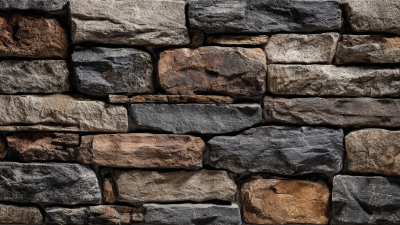
Faux stone is increasingly popular in home design. It offers the beauty of real stone without the high costs. Many types of materials mimic the look and feel of natural stone. Some common options include polyurethane, concrete, and cultured stone. Each type has its unique attributes and uses.
Polyurethane faux stone panels are lightweight and easy to install. They come in varied textures and colors, making customization simple. Concrete overlays can replicate stone surfaces effectively. They are durable and weather-resistant, ideal for outdoor projects. Cultured stone, a blend of concrete and aggregates, looks remarkably natural. It is used for both interiors and exteriors.
While faux stone presents many advantages, there are considerations. The quality of materials can vary widely. Some products may not hold up well over time. Homeowners should research thoroughly. Installation can also be tricky without professional help. Mistakes in application can lead to a less appealing finish. Choosing the right style and type is essential for achieving the desired look.
Applications of Faux Stone in Interior and Exterior Design
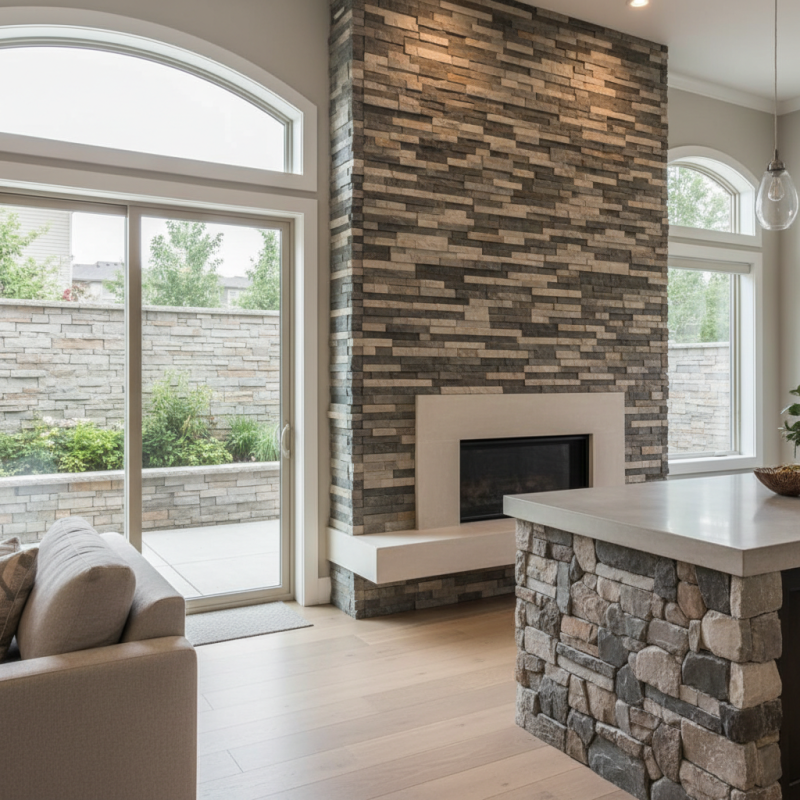
Faux stone has gained popularity in home design for its versatility and cost-effectiveness. It mimics the look of natural stone but is often lighter and easier to install. Common applications include accent walls, fireplace surrounds, and outdoor patios. The texture and appearance can vary widely, providing homeowners with diverse options to fit different styles.
Interior designers often use faux stone to create unique focal points. An accent wall featuring faux stone adds character to any room. In kitchens and bathrooms, faux stone backsplashes can make the space feel luxurious without the hefty price tag. Externally, faux stone can be applied to columns, foundations, and garden walls. It helps blend structures with nature.
However, not all faux stone looks genuine. Some options may appear plastic or overly glossy. This can detract from the charm of a design. It’s essential to choose wisely. Consider finishes and textures that closely match natural materials. Reflecting on these details ensures a visually appealing outcome.
Benefits and Drawbacks of Using Faux Stone in Home Projects
Faux stone offers a unique appeal in home design. It mimics natural stone yet comes with a lighter weight and easier installation process. Homeowners appreciate its versatility, as it can be used indoors or outdoors. Faux stone can create beautiful accent walls or enhance the facade of a house. However, the cost can vary. While it is generally cheaper than real stone, prices can add up, especially for large projects.
There are benefits to consider. Faux stone is more resistant to weather damage. This durability means fewer repairs over time. It's also available in various styles and colors, accommodating different tastes. Many find it easier to maintain than true stone. Yet, it is crucial to note some drawbacks. Faux stone may not have the same longevity as real stone. Over time, it might fade or chip. Some homeowners express concern over its authenticity. The look can appear too artificial, failing to achieve the desired natural aesthetic.
Installation can also pose challenges. Uneven surfaces might affect how well the faux stone adheres. Working with different textures may require special skills. Misalignment can lead to a disappointing final look. Ultimately, weight various pros and cons before deciding. Faux stone can enhance your home, but compromises may need consideration.
Installation and Maintenance Tips for Faux Stone Products
Faux stone is a versatile and popular material in home design. It mimics the appearance of natural stone but is often lighter and easier to handle. However, proper installation and maintenance are crucial for long-lasting results.
When installing faux stone products, ensure a clean and level surface. Use a strong adhesive suitable for your specific material. Measure twice and cut once; this reduces waste and frustration. Remember to leave gaps for expansion and contraction. Mistakes in installation can lead to visible seams or uneven surfaces. Pay attention to detail in alignment and pattern matching.
Maintaining faux stone is relatively simple. Regular cleaning with mild soap and water will keep it looking fresh. Avoid harsh chemicals that can damage the surface. Check for cracks or chips periodically. Addressing small issues early can prevent larger, more costly repairs later. Consider resealing surfaces every few years to maintain their appearance. Always reflect on your techniques; learn from each project to improve your skill and finish.