What Is Silicone Prosthetic Adhesive and How Does It Work?
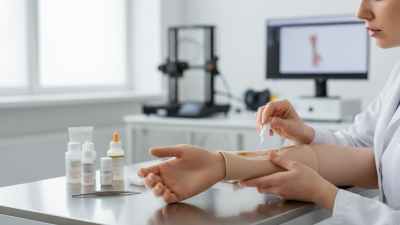
Silicone Prosthetic Adhesive is a specialized bonding material used to secure prosthetic appliances against the skin. It is commonly selected for facial, scar-covering, and theatrical prostheses because it can remain flexible during everyday movement. Unlike rigid tapes, silicone adhesive often follows the skin’s natural contours. That matters around the nose, cheeks, and jaw.
In practical use, the adhesive creates a thin, elastic layer between the prosthesis and clean, dry skin. The wearer or technician applies a controlled amount, allows it to become tacky, and presses the appliance into place. The bond develops through surface contact and gentle pressure. Moisture, oils, dust, and unsuitable skincare products can weaken that connection. Small details matter.
A qualified prosthetist can help choose the appropriate formula, especially for sensitive skin or extended wear. Professional fitting also reduces lifting at the edges, visible gaps, and uncomfortable tension. However, no adhesive works perfectly for everyone. That assumption is incomplete. Heat, perspiration, facial movement, and application technique can change performance throughout the day.
Reliable use begins with the manufacturer’s instructions and a cautious skin test. Any burning, swelling, persistent redness, or discomfort deserves immediate attention. Removal should be gentle, using the recommended remover rather than force. This article explains what Silicone Prosthetic Adhesive contains, how it forms a dependable bond, and which practical factors influence comfort, security, and skin safety. Some results may require adjustment. That is normal.
Silicone Prosthetic Adhesive: Definition and Medical-Grade Materials
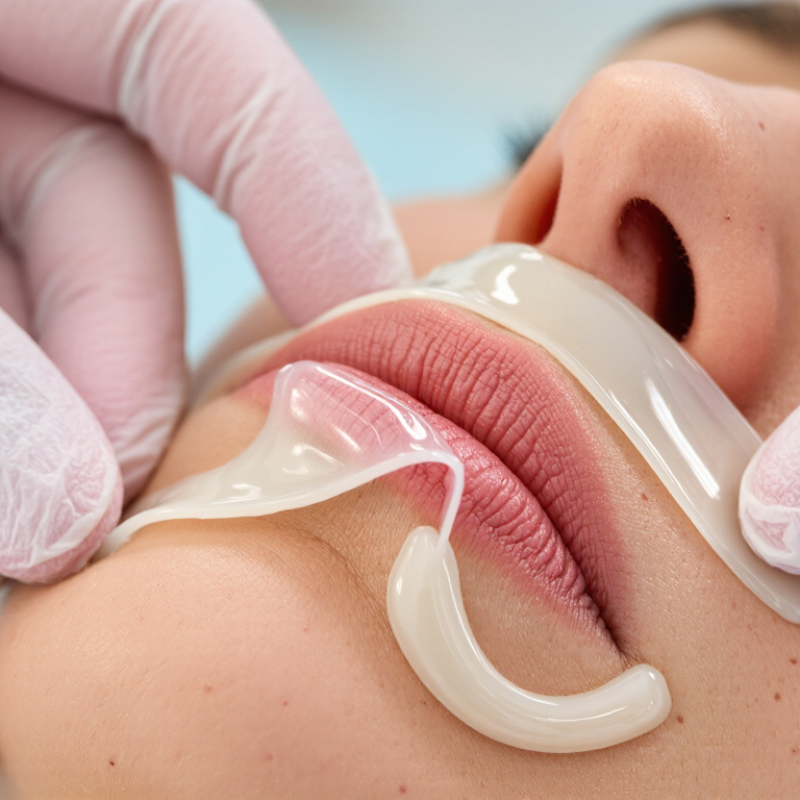
Silicone prosthetic adhesive is a skin-contact bonding material for attaching external prostheses. It uses silicone polymers to create a soft, flexible connection between skin and prosthetic surfaces. Many medical-grade formulas contain platinum-cured silicone or silicone-based adhesive compounds. These materials are selected for purity, stability, and skin compatibility.
The adhesive works by spreading across clean skin and forming close contact with tiny surface irregularities. Gentle pressure improves the bond. Body warmth and movement then help maintain flexibility without making the skin feel rigid. Medical-grade does not mean risk-free for every user. Sensitive skin may still develop redness, itching, or a burning sensation. A small patch test is sensible, although it is not a perfect guarantee.
Clean, dry skin matters. Oil, sweat, lotion, and loose skin cells can weaken adhesion. Apply a thin, even layer rather than adding excessive product. More adhesive can make removal harder. Use the removal method provided by a qualified clinician or product instructions. Pulling the prosthesis abruptly may irritate the skin. Check the skin after removal, especially around edges and hair-bearing areas. The word “waterproof” can also mislead; prolonged moisture, friction, and heat may still reduce performance.
What Is Silicone Prosthetic Adhesive and How Does It Work?
Silicone prosthetic adhesive is a flexible bonding material used to attach prosthetic components to compatible silicone surfaces or, when specifically formulated and tested for skin contact, to the body. Its soft, elastic structure helps maintain adhesion while accommodating movement and changes in skin tension.
The chart shows representative Shore A hardness ranges commonly used when selecting silicone elastomers for prosthetic applications. Softer formulations are generally preferred for skin-contact interfaces, while firmer materials are more often used for flexible prosthetic bodies or structural areas. Hardness is measured using ASTM D2240; actual adhesive performance also depends on surface preparation, formulation, curing method, skin condition, and biocompatibility testing.
How Silicone Adhesives Bond Prostheses to Skin Through Interfacial Chemistry
What Is Silicone Prosthetic Adhesive and How Does It Work?
Silicone prosthetic adhesive works through interfacial chemistry, not simple “gluing.” Medical-grade silicone has low surface energy and resists many liquids. Skin is different. It contains oils, sweat, proteins, and microscopic ridges. A soft silicone adhesive flows into these irregularities. This creates close contact and limited mechanical interlocking. Weak van der Waals forces also develop across the interface. Some formulations contain reactive silanol groups, but they usually do not form strong covalent bonds with living skin. The bond is mainly physical, flexible, and pressure-sensitive.
Moisture changes everything. Sweat can reduce intimate contact and create tiny slip layers. Clean, dry skin usually improves adhesion, while oils may weaken it. The adhesive’s viscoelastic balance matters too. A gel that is too firm cannot follow movement. One that is too soft may creep under body heat. That matters during walking, bending, and repeated removal. The process is subtle.
The World Health Organization’s Global Report on Health Equity for Persons with Disabilities estimates that about 1.3 billion people experience significant disability worldwide. This broad figure highlights the importance of dependable prosthetic interfaces, although it does not measure adhesive performance directly. Laboratory tests often report peel strength, shear resistance, and residue, but real skin behaves less predictably. Age, perspiration, shaving, and skin condition can alter results. The model is useful, but incomplete. Clinical assessment and patch testing remain necessary, especially because irritation may appear after repeated wear rather than during the first application. (WHO, Global Report on Health Equity for Persons with Disabilities, 2022; ISO 10993-23:2021)
Adhesion Strength, Wear Time, and ASTM-Tested Performance Factors
Silicone prosthetic adhesive is a flexible bonding material designed to connect a prosthesis with prepared skin or a liner. It usually spreads as a thin film, then forms a resilient grip as solvents evaporate or the adhesive sets. The bond must move with the body, not fight it. A stiff layer may feel secure at first, but can create uncomfortable pulling during walking or bending.
Adhesion strength depends on clean, dry skin, correct application, and even pressure during placement. Oil, lotion, sweat, and fine body hair can reduce contact. A practical test is simple: press the prosthesis firmly, wait for the recommended setting time, then check the edges for lifting. Wear time varies widely. Heat, exercise, friction, and repeated removal can shorten it. Real life is messier. Even a strong adhesive may need adjustment during a long, active day.
ASTM-tested performance can make comparisons more reliable when laboratories measure peel strength, shear resistance, aging, temperature, or humidity exposure under defined conditions. However, an ASTM result does not promise identical wear on every person. Test surfaces and application methods may differ from daily skin conditions. Professionals should review the test method, sample preparation, and conditioning period before judging performance. A patch test and careful skin inspection remain sensible, especially after the first use. If redness, burning, or persistent soreness appears, stop using the adhesive and seek qualified clinical advice.
Skin Safety, ISO 10993 Biocompatibility, and Allergy Considerations
Silicone prosthetic adhesive uses a soft, pressure-sensitive polymer to secure an artificial limb or facial prosthesis. It gently wets the skin, fills tiny surface gaps, and creates contact through molecular attraction. Removal usually depends on controlled peeling, not force. Silicone feels mild, but “hypoallergenic” is not a guarantee.
Skin safety depends on formulation, exposure time, and barrier condition. The FDA’s 2023 guidance on ISO 10993-1 recommends evaluating irritation, sensitization, cytotoxicity, and other biological risks according to intended use. ISO 10993-23:2021 focuses on irritation, while ISO 10993-10:2021 addresses skin sensitization. These standards support structured testing. They do not prove that every user will tolerate every adhesive. That distinction matters. Some reactions may involve tackifiers, pigments, preservatives, or cleaning residues rather than silicone polymers. Evidence on true silicone allergy remains limited, so clinical assessment can be more useful than assumptions.
Tips: Apply a small test area first. Wait 24 to 48 hours. Stop after burning, swelling, persistent redness, or blistering. Keep skin clean and fully dry. Avoid damaged skin. Remove slowly with an appropriate medical adhesive remover, then inspect the area under bright light. Patch testing can help, but it is imperfect and should be interpreted by a qualified clinician. Keep a simple diary of product, wear time, symptoms, and recovery. That record often reveals patterns that memory misses.
Application, Removal, and FDA-Compliant Care Practices
Silicone prosthetic adhesive creates a flexible bond between a prosthesis and clean, intact skin. Apply a thin, even layer to the prosthetic edge, not the entire surface. Let it become tacky before placement. Press gently for several seconds, especially around the nose, cheeks, or hairline. Warm, oily skin can weaken adhesion. A short patch test is sensible, although it cannot predict every reaction.
Removal should be slow and controlled. Lift one edge while supporting the skin with your fingers. Use only a remover listed for that adhesive system. Household solvents may irritate skin or damage silicone. After removal, wash away residue with mild cleanser and lukewarm water. Do not scrape aggressively. Redness, burning, swelling, or blistering requires immediate discontinuation and medical advice.
FDA guidance is important here. Registration or listing does not mean a product is FDA-approved. The FDA’s MAUDE database contains millions of medical-device reports, but it is a passive system and cannot calculate individual risk. Users should check intended use, ingredients, warnings, and storage instructions. FDA MedWatch provides a route for reporting suspected adverse events. Keep the prosthesis dry, clean, and fully aired before storage. Replace contaminated materials. In practice, perfect application is difficult. Even experienced users sometimes apply too much adhesive, then struggle during removal. A clinician’s fitting advice remains more reliable than trial and error.