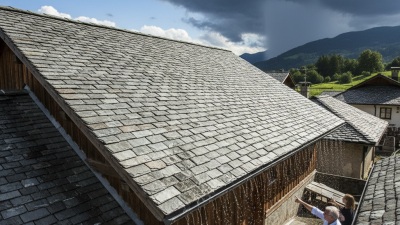
Choosing Roofing Stone for an international project involves more than comparing colors and prices. Climate, quarry location, roof design, installation skills, and transport risks all influence the final result. A slate roof that performs well in Wales may behave differently under tropical heat, heavy snow, or coastal salt.
Roofing specialist Dr. Eleni Papadopoulos explains, “The strongest stone choice is the one matched to the building, climate, and installer.” That principle sounds simple. It is often ignored. Global buyers should examine water absorption, freeze-thaw resistance, bending strength, thickness, surface texture, and expected service life. Ask for recent test reports, quarry details, sample pieces, and written packing specifications. A polished photograph cannot reveal hidden layers, weak edges, or inconsistent thickness.
Small details matter. Check whether pallets can survive a long sea journey. Confirm that replacement stones will remain available after installation. Review local fixing methods and roof pitch requirements with a qualified professional. Imported material may look affordable until freight, breakage, duties, and labor are included. Sometimes, a nearby stone performs better and costs less overall.
No buying method is perfect. Samples may differ from full production batches. Test data may not reflect every weather condition. Even experienced buyers can overlook installer quality. That is why this guide, “10 Roofing Stone Buying Tips for Global Buyers,” focuses on practical checks, honest questions, and decisions that remain reliable beyond the first shipment. Good roofing should not merely look impressive. It should endure quietly, season after season.

Natural slate, sandstone, and engineered stone tiles behave differently on a roof. Slate offers low water absorption and long service life when properly graded. Sandstone can provide warmth and texture, but its pores may admit water during repeated freeze-thaw cycles. Engineered stone is often lighter, yet its coating and fixing system require close inspection. Do not judge quality by appearance alone.
The UNEP Global Status Report for Buildings and Construction 2023 states that buildings account for about 34% of global energy demand and 37% of energy-related emissions. A roof therefore needs more than visual appeal. Check solar reflectance, thermal movement, ventilation space, and insulation compatibility. For cold regions, request freeze-thaw testing. For coastal projects, examine salt exposure and corrosion risks around fasteners. Local wind uplift calculations also matter, especially on exposed slopes.
Use recognized testing requirements, such as ASTM C406/C406M for slate roofing or EN 12326 for roofing slates. Ask for water absorption, flexural strength, thickness tolerance, fire classification, and test dates. The USGS Mineral Commodity Summaries 2024 separates slate from broader dimension-stone categories, reminding buyers that “stone” is not one performance class. That label is too vague. I have seen specifications fail because installers received mixed thicknesses from one shipment. Request batch samples, quarry origin, pallet photographs, and installation guidance before ordering. Even good stone can perform poorly when the roof pitch, underlayment, or fixing pattern is wrong.

10 Roofing Stone Buying Tips for Global Buyers
Assessing Climate, Building Design, and Installation Conditions
Start with the local climate, not the stone’s appearance. Freeze-thaw cycles can crack porous materials. Heavy rain demands reliable drainage and carefully detailed overlaps. Coastal air may accelerate metal corrosion around fixings. Strong sunlight can also change surface color over time.
Match the stone to the building design. A steep roof sheds water faster than a low-pitched roof. Confirm the roof structure can carry the stone’s weight, especially after rain. Check battens, underlayment, ventilation, and fixing points before ordering. Never assume traditional details suit a modern structure. They may not. Ask a qualified local engineer to review loading, wind exposure, and regional installation rules. Experienced installers should inspect the roof deck, not only the delivery documents.
Request samples from different production batches. Compare thickness, edge shape, absorption, and color variation under natural light. A sample can mislead. Full shipments may contain more variation than expected. Review test data for water absorption, bending strength, frost resistance, and slip risks during handling. Plan for cutting waste, replacement pieces, and secure packaging during transport. Installation conditions matter too: wet substrates, freezing temperatures, or poor access can damage materials before completion. I have seen attractive stone fail because workers rushed flashing details. That mistake is expensive, and preventable. Keep written installation records, photographs, and maintenance instructions for future inspections.
Roofing stone should be judged beyond its color and surface appeal. A reliable inspection begins with the actual production lot, not only a showroom sample. Check for consistent thickness, straight edges, open veins, hairline cracks, and uneven backs. A stone that looks dense may still absorb water quickly.
Ask for documented test results from an independent laboratory. Water absorption, flexural strength, abrasion resistance, and freeze-thaw performance are especially important for exposed roofs. Compare these results with the building code and standards used in the installation country. Requirements can differ between coastal, alpine, and hot climates.
Test the details.
A simple field check can reveal problems. Weigh a dry piece, soak it, then weigh it again. A large weight increase suggests higher absorption, although this is not a replacement for laboratory testing. Inspect several pieces from different boxes. One perfect sample proves very little.
Long-term durability also depends on fasteners, underlayment, slope, and drainage. Even strong stone may fail when water remains trapped beneath it. Confirm that the installer understands the stone’s recommended fixing method and allowable roof pitch. I have seen buyers focus heavily on stone price and overlook replacement access. That decision can become expensive later.
Do not accept vague claims such as “weatherproof” without measurable evidence. Certificates should identify the tested material, method, date, and laboratory. Records matter. Keep them with the project documents, because memory fades and suppliers may change.
| No. | Buying Tip | What to Check | Useful Quality Benchmark | Recommended Evidence | Why It Matters |
|---|---|---|---|---|---|
| 1 | Confirm the stone type and geology | Verify whether the roofing product is slate, sandstone, limestone, or another natural stone. Check mineral composition, quarry location, layer orientation, and whether the material is suitable for roof exposure. | The declared stone type should match the technical datasheet and test sample. Roofing slate should be evaluated for cleavage, petrographic composition, and resistance to weathering. EN 12326-1 / ASTM C406 | Petrographic report, product datasheet, quarry declaration, and representative physical samples. | Different stones absorb water, split, fade, and weather at different rates. Correct identification prevents unsuitable material from being installed. |
| 2 | Check water absorption | Review the tested water absorption by mass and confirm that the test method is stated. Compare results from several production batches when possible. | Lower absorption generally indicates lower water uptake, but the acceptable value depends on the stone type, climate, roof design, and applicable local code. EN 13755 / ASTM C97 | An accredited laboratory test report showing sample conditioning, test method, individual results, and average value. | Excessive water uptake can increase freeze-thaw damage, staining, biological growth, and long-term weight variation. |
| 3 | Evaluate freeze-thaw resistance | Request freeze-thaw testing if the roof will be installed in a region with repeated freezing and thawing. Confirm the number of cycles and inspection criteria. | The stone should show no unacceptable cracking, delamination, structural deterioration, or visible loss of serviceability after the specified test sequence. EN 12326-2 / ASTM C666 | Full freeze-thaw report, including cycle count, specimen dimensions, mass change, visual observations, and strength results where applicable. | Water trapped in pores can expand during freezing and gradually cause cracking, flaking, or breakage. |
| 4 | Verify bending strength | Check the minimum flexural or breaking load in the direction parallel and perpendicular to the natural cleavage or bedding plane. | Compare the declared strength with the project’s wind, snow, maintenance, handling, and support requirements. Do not rely on a single average value. EN 12326-1 / ASTM C880 | Independent test results with sample orientation, thickness, span, loading rate, and individual measurements clearly recorded. | Adequate bending strength reduces the risk of cracking during transport, installation, severe weather, and maintenance access. |
| 5 | Inspect thickness and dimensional tolerance | Measure thickness, length, width, squareness, flatness, and hole or fixing positions. Confirm whether dimensions are nominal or minimum values. | Dimensions should comply with the project specification and the selected regional standard. Thickness consistency is especially important for even laps and reliable fixing. EN 12326-1 | Calibration records, dimensional inspection report, packing list, and random checks from multiple pallets or crates. | Inconsistent pieces can create uneven roof lines, open joints, poor lapping, installation delays, and increased breakage. |
| 6 | Assess visible defects and layering | Look for open cracks, weak laminations, excessive mineral veins, friable edges, rust staining, holes, and surface delamination. Inspect both faces and edges. | The agreed sample should define acceptable color variation, natural markings, edge condition, and rejection criteria. Cosmetic variation should be separated from structural defects. | Approved reference sample, pre-shipment photographs, inspection checklist, and agreed defect classification. | Hidden discontinuities may become leakage paths or fracture lines after repeated weather exposure and mechanical stress. |
| 7 | Check color stability and weathering | Determine whether the color is natural, surface-treated, or enhanced. Ask about known oxidation, fading, staining, and color change under ultraviolet exposure. | No universal color-retention value applies to every natural stone. Require a documented weathering or durability assessment relevant to the intended climate. EN 12326-2 | Weathering test data, long-term reference installations, treatment declaration, and batch color-control photographs. | Color change can affect the appearance of the entire roof and may indicate mineral oxidation or surface deterioration. |
| 8 | Match the stone to the roofing system | Confirm compatibility with roof pitch, underlayment, battens, clips, nails, hooks, ventilation, flashing, and local installation practice. | The product must be installed according to the applicable building code and the manufacturer’s method statement. Roof pitch and exposure determine required lap and fixing density. EN roofs and local building codes | Roof design, installation manual, fixing schedule, wind and snow calculations, and approval from the project designer. | High-quality stone can still fail if the roof pitch, fixing method, drainage path, or underlay is unsuitable. |
| 9 | Review packaging, handling, and logistics | Confirm crate strength, pallet stability, moisture protection, edge protection, piece count, gross weight, and container loading plan. | Packaging should prevent sliding, impact, contamination, and excessive flexing during handling. Labels should identify batch, size, quantity, and orientation where required. | Packing specification, loading photographs, weight list, shipping documents, and arrival inspection procedure. | Natural stone is vulnerable to edge damage and breakage during lifting, transshipment, and unloading, even when the material itself is durable. |
| 10 | Secure traceability and warranty terms | Ensure that each shipment can be traced to a quarry, production date, batch, inspection record, and test report. Clarify claims, replacement, and inspection procedures. | Quality documents should correspond to the shipped batch, not only to a general product range. Warranty conditions should state exclusions, service life assumptions, and installation responsibilities. | Batch labels, certificates of conformity, inspection plan, warranty document, and written non-conformance process. | Traceability helps identify recurring defects, support replacement claims, and maintain consistent performance across large international projects. |
| Buyer’s final check: Always compare test results with the destination country’s building regulations, climate exposure, roof design, and engineering requirements. Natural stone performance depends on both material quality and correct installation. | |||||
10 Roofing Stone Buying Tips for Global Buyers
Compare suppliers by quarry location, stone grade, testing records, and export experience. Ask for recent test reports covering water absorption, freeze-thaw resistance, flexural strength, and slip performance. ASTM and EN methods are not interchangeable, so confirm the exact standard. Request physical samples, not only polished photographs. Natural stone varies, sometimes more than expected.
Compare landed cost, not just the quarry price. Include cutting, edge finishing, pallets, insurance, port charges, duties, and inland delivery. The International Trade Centre’s Trade Map uses HS 6803 for slate and worked slate products, helping buyers check trade values and supplier patterns. Prices can still mislead. A cheaper crate may contain more breakage. A recent UNCTAD Review of Maritime Transport reports continued route volatility and pressure on shipping networks. Obtain two freight quotations and confirm validity dates. Ask whether the quotation includes demurrage.
Packaging deserves a site-level review. Use moisture-resistant separators, strong export pallets, corner protection, and visible weight labels. Photograph each pallet before loading. Request a packing list showing piece count, dimensions, net weight, and gross weight. Check the container’s internal clearance against the longest stone. Confirm fumigation or wood-treatment documents when required. I have seen well-tested stone arrive damaged because pallet movement was ignored. That mistake is avoidable, but not always. Add a small replacement allowance, especially for thin slate, irregular pieces, or long ocean routes. Get written approval for shade variation before production.
When buying roofing stone internationally, request physical samples from the actual production lot. A small tile can hide surface variation. View it in wet and dry conditions, then check thickness, edge finish, color, and visible layers. Photograph approved samples beside a ruler and record the sample code. Keep one sealed sample for future comparison. Do not rely only on digital images.
Your contract should state stone type, dimensions, thickness tolerance, finish, quantity, packaging, inspection method, and acceptable variation. Include the approved sample as a signed reference. Define who pays for replacement if stones arrive cracked, warped, or outside tolerance. A vague phrase like “premium quality” creates arguments later. It sounds professional, but it proves little.
Read the warranty carefully. Confirm its duration, coverage, exclusions, and claim procedure. Many warranties exclude poor installation, unsuitable structure, freeze damage, or neglected maintenance.
Delivery terms need equal attention. Confirm production time, loading date, pallet design, shipping documents, and responsibility for damage during transit. Ask whether moisture or dirt may affect inspection at arrival. Count and inspect crates promptly, ideally with dated photographs and a written report.
I once saw a delivery accepted before opening every pallet; the missing pieces were discovered too late. That was preventable. Allow time for customs clearance and site storage, because rushed handling can damage even well-packed stone.