What is Silicone Adhesive Tape and How is it Used?
Silicone adhesive tape is a versatile product in many industries. It offers strong adhesion and resistance to temperature extremes. John Smith, a leading expert in adhesive technologies, once stated, “Silicone adhesive tape is a game changer for both industrial and household applications.” This tape excels in situations where traditional adhesives fail.
Manufacturers rely on silicone adhesive tape for its unique properties. It can withstand high temperatures and harsh environments. This makes it ideal for electrical insulation and automotive uses. Users appreciate its flexibility and durability, which allows for easy application. However, not all users understand its limitations. Some might expect it to perform like other adhesives, leading to disappointment.
Getting familiar with silicone adhesive tape requires practice and understanding. While it is effective, improper use can lead to issues. For instance, surface preparation can affect adhesion quality. Therefore, exploration and hands-on experience are essential for maximizing its potential. Understanding these nuances can truly elevate the user’s experience.
What is Silicone Adhesive Tape?
Silicone adhesive tape is a versatile material known for its durability and heat resistance. This tape is composed of silicone rubber, which offers excellent adhesion to various surfaces. It can withstand extreme temperatures, making it suitable for industrial and household applications. According to a recent market analysis, the global silicone adhesive tape market is expected to reach $1.5 billion by 2025, growing due to increased demand across multiple sectors.
Typically, silicone adhesive tape is used in insulation, bundling, and protection. Its non-stick properties allow for easy application and removal. Users often appreciate its resilience against chemicals and moisture. Studies show that silicone adhesive tape can maintain its integrity in temperatures ranging from -60°C to 260°C. However, some users find it challenging to apply on uneven surfaces, which may diminish its effectiveness.
In construction, silicone adhesive tape is crucial for sealing joints and preventing leaks. It is also employed in electronics for superior heat dissipation. While many find it reliable, ensuring proper surface preparation is essential. Users may overlook this step, leading to bond failure. Such mistakes highlight the need for careful application processes in practical contexts.
Key Properties of Silicone Adhesive Tape
Silicone adhesive tape is a versatile material. Its key properties make it suitable for various applications. One important feature is its excellent heat resistance. It can withstand high temperatures without losing its adhesive quality, making it ideal for electrical insulation.
Another significant property is its flexibility. The tape can stretch and conform to different shapes. This ability allows it to adhere well to irregular surfaces. Also, silicone adhesive tape is resistant to chemicals and moisture. It won’t break down easily, even in harsh environments.
However, it’s important to consider its limitations. While it adheres well to many surfaces, some materials may pose challenges. For instance, surfaces that are too smooth can hinder adhesion. Users should always test the tape beforehand. Overall, silicone adhesive tape offers unique benefits but requires careful selection in certain situations.
Common Applications of Silicone Adhesive Tape
Silicone adhesive tape is highly versatile. It is known for its durability and strong bonding properties. This tape can withstand high temperatures and harsh environments. These qualities make it ideal for a variety of applications.
One common use is in automotive repairs. Technicians often use silicone adhesive tape to seal leaks or protect wires. It is easy to apply and removes cleanly, which is crucial in automotive settings. In addition, the tape can provide a non-slip surface on tools. This helps prevent accidents during maintenance work.
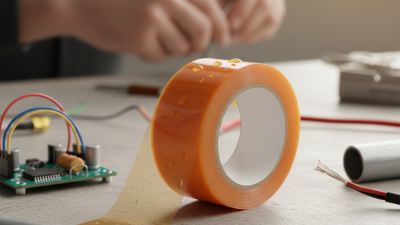
Another popular application is in electrical insulation. Silicone tape can protect electrical components from moisture and dust. This is essential in keeping devices functioning properly. Consider using it in outdoor lighting or garden equipment.
Tips: When using silicone adhesive tape, make sure surfaces are clean and dry. This improves adhesion. Also, avoid stretching the tape too much. This could compromise its effectiveness in the long run. Lastly, always check the compatibility of the tape with the materials you are bonding.
Benefits of Using Silicone Adhesive Tape
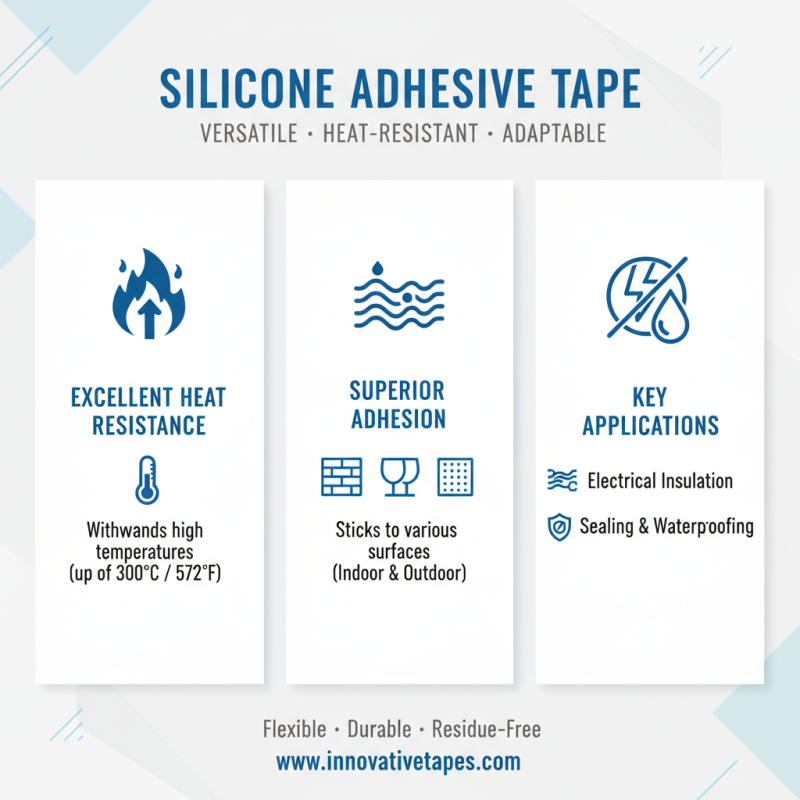
Silicone adhesive tape is a versatile tool in various applications. It is made from silicone rubber, which provides excellent heat resistance. This tape sticks well to different surfaces, making it ideal for both indoor and outdoor use. Many people use it for electrical insulation and sealing purposes.
One of the biggest benefits is its durability. Silicone adhesive tape can withstand extreme temperatures, from freezing cold to scorching heat. It remains flexible, ensuring a strong bond even in harsh environments. Users often appreciate its water-resistant features, which add to its reliability.
However, not everyone knows how to use it effectively. Some struggle with the initial application, leading to bubbles and uneven surfaces. It is essential to prepare the surface properly. Otherwise, the tape may not adhere as expected. Reflecting on usage helps identify mistakes and improve outcomes for future projects.
How to Apply and Remove Silicone Adhesive Tape
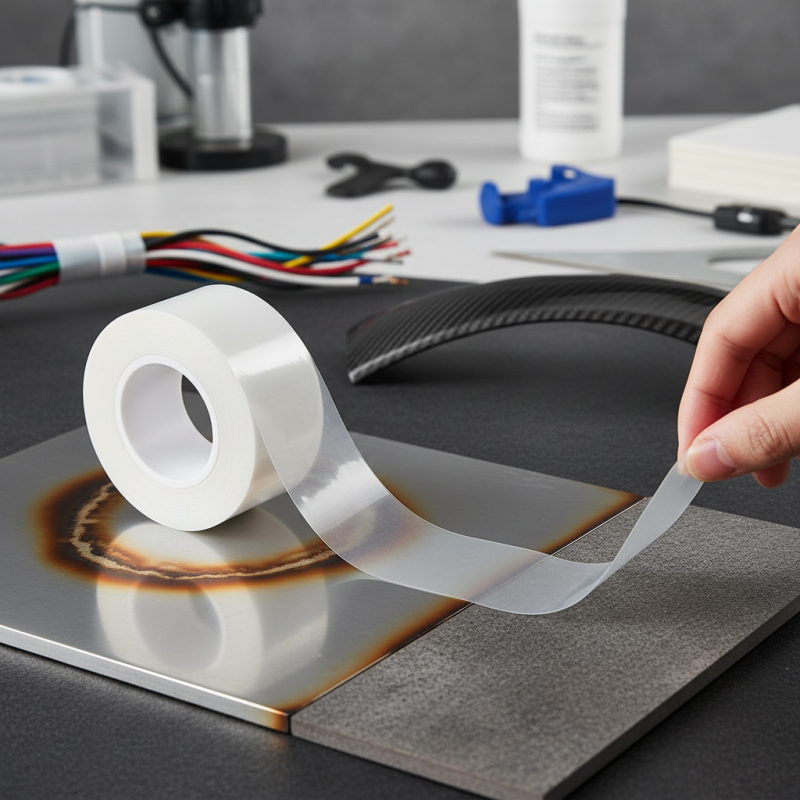
Applying silicone adhesive tape is straightforward. Start by ensuring the surfaces are clean and dry. Wipe the area with alcohol to remove dust or grease. This will help the tape adhere better. Cut a length of tape that fits your needs. Press it firmly onto the surface to eliminate air bubbles. The key is to apply even pressure. It helps secure the tape properly.
Removing silicone adhesive tape can be tricky. Start at one edge and gently lift it. If it resists, use a blade or scissors for assistance. Be careful not to scratch the surface below. If sticky residue remains, rubbing alcohol can help. Apply it to a cloth, then wipe the area clean. This process can be time-consuming, but patience is essential. Make sure to test the cleaning solution on a small area first to prevent damage. Remember, practice makes perfect. Each removal can teach you something new.
Usage Statistics of Silicone Adhesive Tape