Essential Tips for Choosing Coated Metal Roofs?
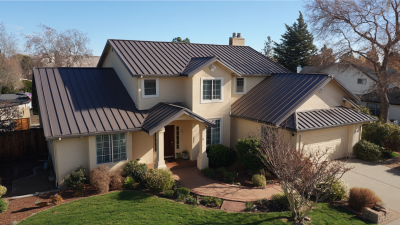
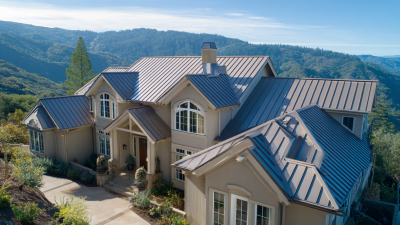
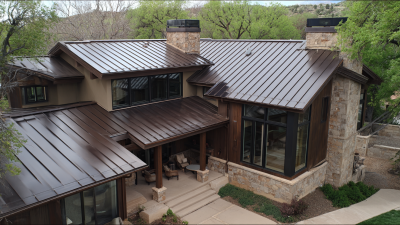
Choosing a roof is a significant decision. The right choice can enhance your home’s protection and aesthetic. Coated Metal Roof offers durability and beauty, making it a popular option.
When considering a coated metal roof, think about climate, budget, and maintenance. The materials vary widely, and each has unique characteristics. Some may shine brightly in the sun, while others dull over time. It’s crucial to balance style with practicality.
You might find yourself wondering about installation and long-term performance. Mistakes happen, and overlooking details can lead to issues. Be thorough in your research. What works for one building may not suit another. Each choice should reflect your specific needs and preferences.
Factors to Consider When Selecting Coated Metal Roofs
When selecting coated metal roofs, several factors come into play. First, consider the material type, as different metals react differently to coatings. Aluminum, for instance, resists corrosion well, while galvanized steel offers a robust choice for various climates. According to the Metal Roofing Alliance, metal roofs can last 50 years or more, significantly longer than traditional asphalt roofing, which generally lasts about 20 years.
Next, pay attention to the coating used. A high-quality finish can enhance longevity and performance. Reports indicate that roofs with Kynar coatings reflect sunlight effectively, reducing cooling costs by up to 30%. This energy efficiency factor makes coated metal roofs an economical choice in the long term. However, cheap coatings might degrade faster, requiring more frequent replacements.
Installation is another critical aspect. A well-installed roof can perform better and last longer. Poor installation can lead to leaks or paint chipping, diminishing the roof's effectiveness. Investing in professional installation is vital, even if it raises the initial cost. Inadequate attention to detail during this process can ultimately affect the roof's durability.
Understanding Different Types of Coatings for Metal Roofing
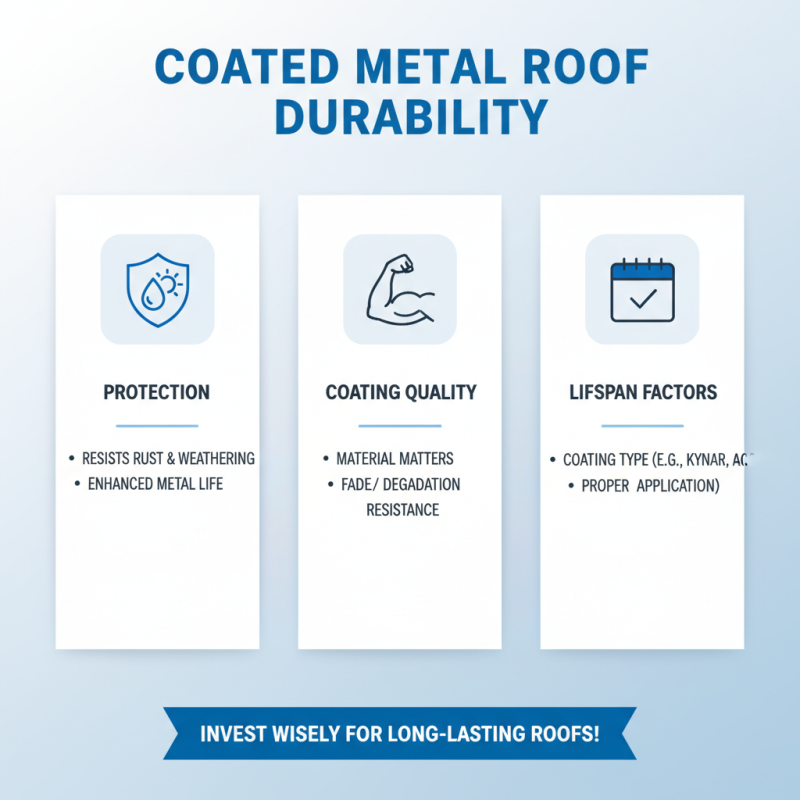
When selecting coated metal roofs, understanding the different coatings is crucial. Coatings can significantly affect durability and performance. According to a report by the Metal Roofing Alliance, high-quality coatings can extend the lifespan of metal roofs by up to 50%.
There are several types of coatings available. One popular option is Kynar 500, known for its excellent UV resistance and corrosion protection. This coating can maintain color stability for decades. Alternatively, silicone-based coatings offer outstanding flexibility and water resistance. They are ideal for regions with extreme weather conditions.
However, the choice of coating should align with specific climate needs. A thin coating may lead to early wear and potential leaks. A thicker layer could provide better protection against harsh elements, but it might be costlier. Finding the right balance can be challenging. Seeking professional advice is often beneficial, but it requires careful consideration of various factors. Overall, understanding different coatings helps with making an informed decision.
Essential Tips for Choosing Coated Metal Roofs
| Coating Type |
Durability |
Maintenance |
Cost Range (per sq ft) |
Common Applications |
| Polyester Coating |
Moderate (10-15 years) |
Low |
$1.50 - $3.00 |
Residential roofs, Low-rise buildings |
| Kynar 500® Coating |
High (25-30 years) |
Low |
$2.50 - $4.00 |
Commercial buildings, Industrial |
| Silicone Coating |
Moderate (10-20 years) |
Medium |
$3.00 - $5.00 |
Flat roofs, Repair applications |
| Acrylic Coating |
Moderate (10-15 years) |
Low |
$1.75 - $3.50 |
Residential, Warehouse roofs |
Cost Considerations: Budgeting for Coated Metal Roofing Options
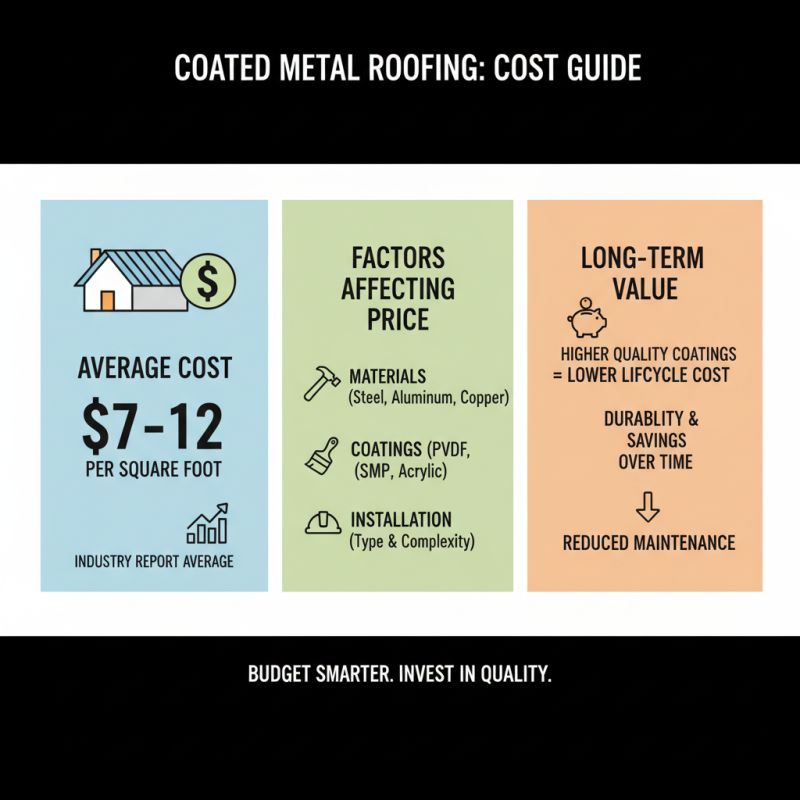
When budgeting for coated metal roofing, it's vital to understand the potential costs involved. According to a recent industry report, the average cost of coated metal roofs ranges from $7 to $12 per square foot. This price varies based on materials, coatings, and installation methods. Higher-quality coatings may increase the upfront investment but can provide significant long-term savings.
Installation costs can also add to the budget. Skilled labor is essential for proper installation, often costing $3 to $6 per square foot. Improper installation can lead to leaks and damage, which may require costly repairs. This emphasizes the need for hiring experienced professionals.
Additionally, consider the energy efficiency of coated metal roofs. They can reflect solar energy, reducing cooling costs by up to 25%. However, the initial expenditure can be challenging for some homeowners. It's important to weigh these ongoing savings against the upfront costs. Balancing budget constraints with long-term benefits is critical in making an informed decision.
Insulation and Energy Efficiency Benefits of Coated Metal Roofs
Coated metal roofs offer remarkable insulation and energy efficiency benefits. These roofs help maintain a stable indoor temperature. The reflective surfaces keep homes cooler in summer, reducing reliance on air conditioning.
In colder months, the insulation properties of coated metal roofs prevent heat loss. Less energy is used for heating, which can lead to lower utility bills over time. However, it's essential to consider installation quality. Flaws can negate these energy-saving advantages.
While the initial investment may be higher, the long-term benefits often outweigh the costs. Ask questions and weigh your options carefully. A well-informed decision can significantly impact your energy efficiency and comfort levels in your home. Reflect on these factors before moving forward.
Energy Efficiency Benefits of Coated Metal Roofs