Top 10 Tips for Choosing Quality Faux Stone Products
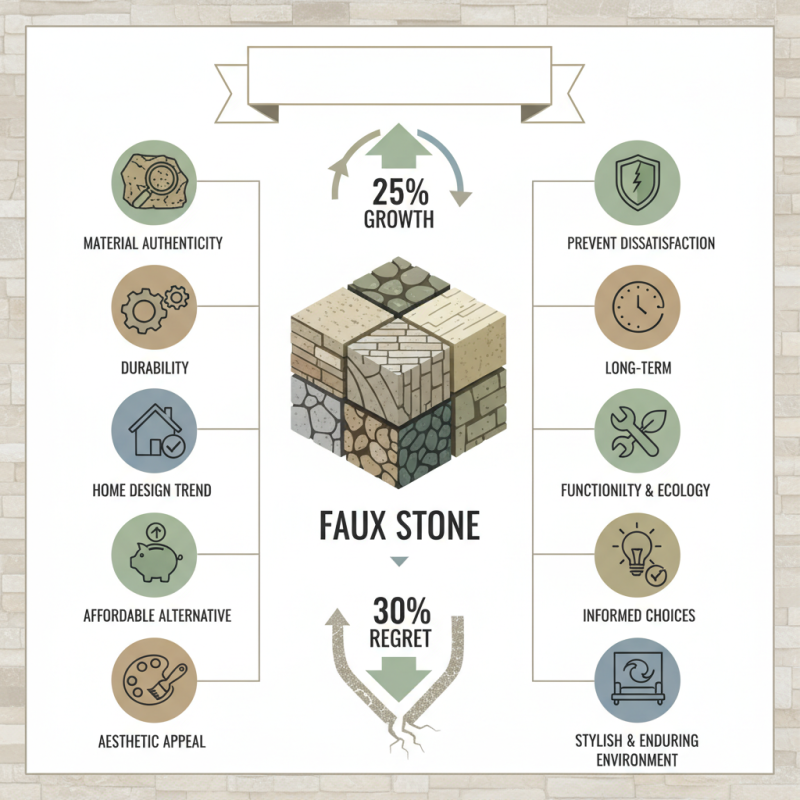
When it comes to enhancing your space, Faux Stone products have gained immense popularity. A recent market report indicates that the demand for Faux Stone is projected to grow by over 25% in the coming years. This growth highlights a significant trend in home design, as homeowners seek affordable and versatile alternatives to natural stone.
Choosing quality Faux Stone can be challenging. Many products on the market do not offer the same durability or aesthetic appeal. Reports suggest that 30% of consumers regret their purchase due to unforeseen quality issues. These decisions can impact the overall look of a home. Therefore, understanding how to select the right Faux Stone is crucial.
As you explore your options, it's important to consider factors like material authenticity and performance. Not all Faux Stone products deliver the same results. Some may look good initially but deteriorate over time. Investing in quality can prevent long-term dissatisfaction. In an era where aesthetics and functionality must coexist, making informed choices can transform your living space into a stylish and enduring environment.
Factors to Consider When Selecting Faux Stone Materials
When selecting faux stone materials, various factors should be considered to ensure quality and durability. One critical aspect is the manufacturing process. Reports indicate that the best products use a multi-stage process, ensuring that textures and colors are closely modeled after real stone. It's essential to ask manufacturers about their production techniques to gauge quality.
Another factor is the material composition. High-quality faux stone often contains a mix of materials like polyurethane or cement. Studies show that these materials offer better resistance to weather and UV fading. A product that contains at least 70% solid material typically provides better durability. Buyers may overlook this, but a closer inspection can reveal significant differences in longevity.
Lastly, examine the warranty and customer reviews. Industry data shows that reputable brands typically offer warranties of five years or more. Positive feedback can indicate reliability. However, it is important to be critical and not rely solely on ratings. Look for reviews that detail customer experiences, including any issues faced. This will provide a clearer picture of performance and quality.
Types of Faux Stone Products Available in the Market
Faux stone products are becoming increasingly popular for both interior and exterior designs. There are various types available in the market, catering to different needs and aesthetics. They can range from lightweight panels to more fixed options like faux stone bricks. Homeowners often choose these materials for their affordability and versatility.
When selecting faux stone products, do consider the application space. Indoor options usually differ significantly from outdoor applications. Indoor faux stones may have softer textures and more subtle colors, while outdoor options focus on durability and weather resistance.
Always check the quality. Examine the surface texture closely. A higher-quality product often features more intricate detailing. It’s wise to read reviews and see samples before committing. Not all options perform well over time, especially in harsh weather. This is where doing thorough research pays off. You might find a stunning product, but if it doesn’t last, it’s not worth it.
Personal experience highlights the importance of understanding maintenance costs. Some materials may require more upkeep than expected. Don’t overlook this factor when making a choice. Each faux stone type presents unique challenges and benefits. Make sure your selection aligns with your long-term vision.
Evaluating the Quality and Durability of Faux Stone
When evaluating the quality and durability of faux stone products, consider key factors like
material composition and manufacturer reputation.
A report by the National Association of Home Builders indicates that over 70% of homeowners prioritize
durability in exterior materials. This suggests that faux stone should withstand weather extremes and everyday wear.
Inspect the texture and finish. High-quality faux stone mimics natural stone with realistic patterns. A study revealed that
60% of consumers value aesthetics when choosing faux stone. However, not all products meet
high standards. Some cheaper options may fade or crack within a few years.
Researching customer reviews can shed light on long-term performance.
Environmental impact is another consideration. Sustainable materials are becoming vital. According to the Green Building Council,
over 40% of consumers prefer eco-friendly products. Ensure your chosen faux stone aligns with
these values. Durability does not solely depend on appearance but also on how it is produced. Reflecting on
these aspects helps navigate the market for faux stone wisely.
Assessing Aesthetic Appeal and Design Compatibility
When choosing faux stone products, assessing aesthetic appeal and design compatibility is vital. Visual harmony significantly influences overall aesthetics. A well-chosen faux stone can elevate a space. Its texture and coloration should complement existing materials. For example, a sleek modern interior may clash with rugged, rustic faux stone. Finding balance is key.
Consider the environment where the faux stone will be installed. Natural sunlight can change its appearance. Some products may look stunning in bright light but dull in shadows. Pay attention to color undertones. Warm tones can evoke comfort while cool tones create calm. It’s essential to visualise how these elements interact within your space.
Don't forget about scale. Large faux stone slabs can dominate small areas. Conversely, tiny stones may seem insignificant in vast open spaces. It’s essential to think carefully about proportions. Seek feedback from trusted sources or professionals. Engaging with others can bring fresh perspectives and avoid costly missteps. Embrace the possibility of imperfections. Not every choice will be perfect, but thoughtful consideration can lead to satisfying results.
Top 10 Tips for Choosing Quality Faux Stone Products
This bar chart illustrates the key factors to consider when selecting faux stone products, highlighting their importance in making an informed choice.
Understanding Cost vs. Value in Faux Stone Selections
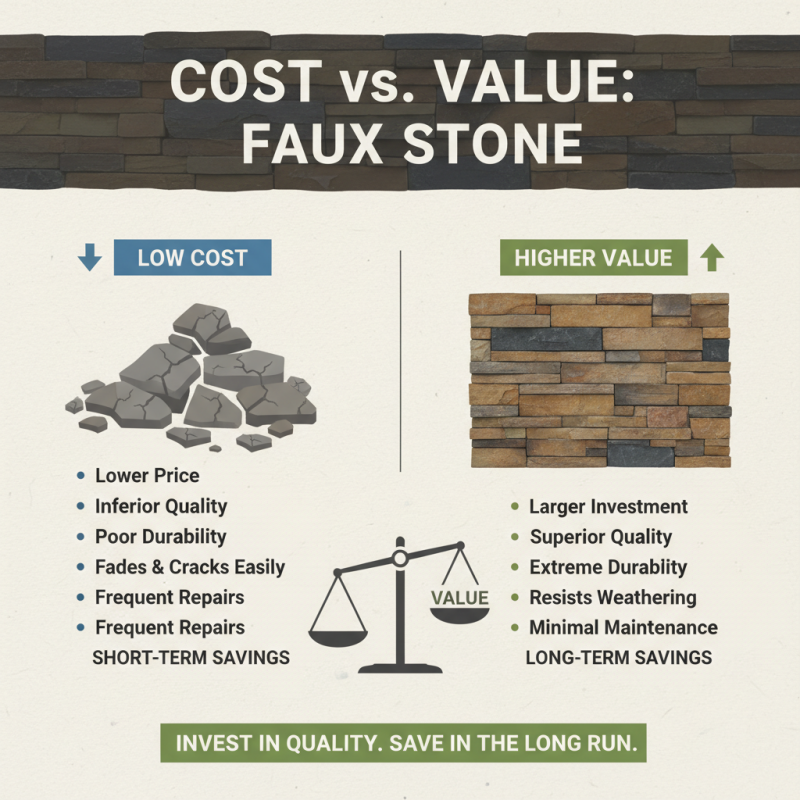
When selecting faux stone products, understanding the cost versus value is essential. While low prices may seem appealing, they can often lead to inferior quality. Cheaper options may not withstand weather effects or retain their aesthetic appeal over time. Investing a bit more in durable options can save you money in the long run.
One crucial tip is to consider the material's longevity. High-quality faux stone should resist cracking, fading, and peeling. Look for samples and examine them closely. This will help you determine their texture and appearance. A low-cost product might not achieve your desired look over time.
Another aspect is maintenance. Some faux stones require extensive upkeep, while others are designed to be low-maintenance. Understand the specific care routines needed for different products. If a product needs constant attention, the initial savings might not be worth it. Balancing cost and value helps ensure that your investment looks good and lasts.
Deciphering warranties can also be tricky. A longer warranty often indicates manufacturer confidence in their product. However, always read the fine print. Some warranties may not cover the wear and tear expected in certain conditions. Make informed choices to achieve the best outcome for your space.