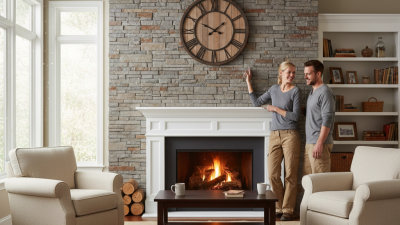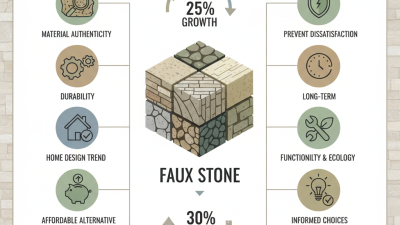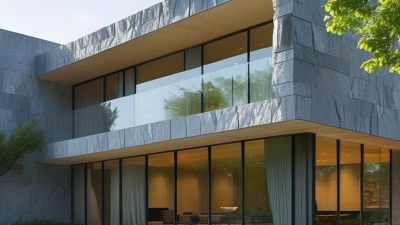
Faux Stone Painted Walls offer buyers the texture and visual weight of masonry without adding stone veneer to every surface. The right finish can suggest limestone, slate, or weathered fieldstone, while keeping the wall’s profile relatively slim. The wrong finish can look flat or overly theatrical. Details matter.
The 2024 U.S. Houzz & Home Study reported a median renovation spend of $24,000 in 2023, up from $22,000 in 2022. That figure covers many kinds of projects, not faux-stone painting specifically. Still, it helps explain why buyers compare finishes carefully before committing to larger renovations. A painted accent wall may offer a more contained way to change a room’s character, though preparation and skilled application still affect the result.
Interior designer Nate Berkus has said, “Your home should tell the story of who you are, and be a collection of what you love.” Applied here, that idea means choosing a stone look that suits the room, rather than copying a trend. Consider a warm limestone effect beside oak shelving, or cooler slate tones near brushed-metal fixtures. Check the sample in morning light and again at night. It may look different.
This guide explores ten Faux Stone Painted Walls designs for buyers, from subtle stone veining to rugged, layered textures. It also considers scale, color, maintenance, and where each finish may work best. A sample board is useful, but it cannot fully reproduce a large wall. That limitation deserves attention.
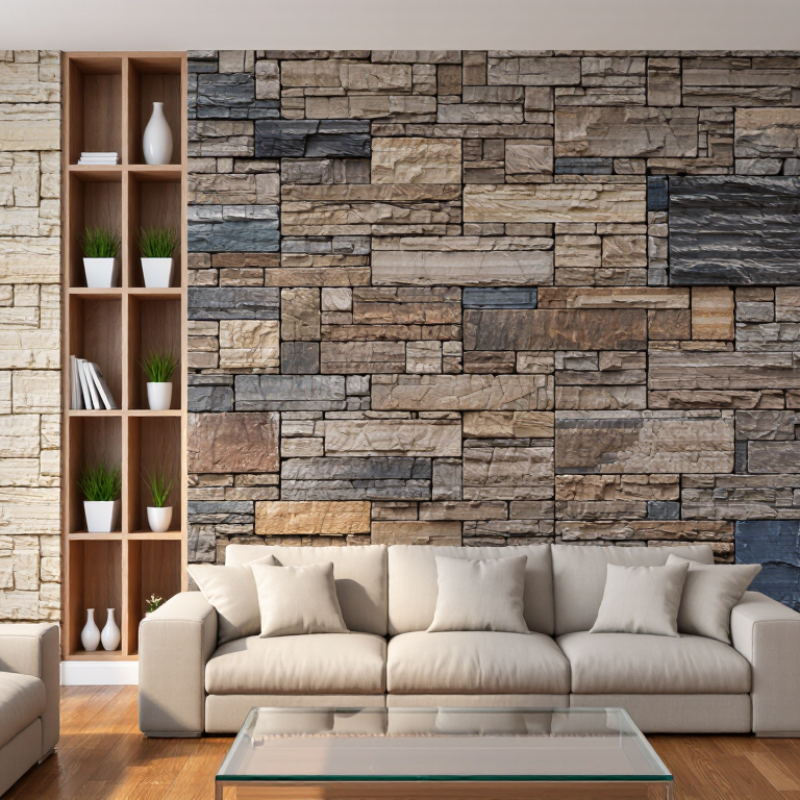
Understanding faux stone painted wall designs starts with recognizing what paint can—and cannot—imitate. Layered colors, soft shadows, and fine mortar lines can suggest slate, limestone, or brick without adding heavy materials. The effect depends on scale: oversized blocks may overwhelm a narrow entry, while small, repetitive shapes can look busy across a large living-room wall. Look closely at reference photos for believable variation. Real stone rarely repeats perfectly.
Surface preparation matters. Clean the wall, repair dents, and use a suitable primer so the finish adheres evenly. Then test a small painted area and view it in morning and evening light. Warm gray can turn beige under a yellow lamp. That matters. A sponge, dry brush, or narrow artist’s brush can create texture, but too many dark outlines may make the wall look like a cartoon. I would be cautious about promising a flawless stone effect; hand-painted patterns show small inconsistencies, and those can feel either charming or distracting. Buyers should compare sample colors against nearby flooring, trim, and furniture before committing. A simple sketch with block sizes and grout spacing can prevent awkward shapes near corners and outlets.
Paint can suggest stone through color, texture, and carefully placed shadows. A convincing finish rarely comes from one shade. Painters often begin with a mineral-toned base, then dab on two or three related colors using a sponge, rag, or dry brush. Soft transitions resemble limestone, while sharper mottling can evoke slate or granite. Keep the pattern varied. Repeating the same marks makes a wall look printed.
Glazes create depth because the base color remains visible beneath translucent layers. A small brush can add faint veins, pits, or darker seams; a nearly dry brush softens edges before they look too deliberate. Test the palette on a sample board first. Check it in morning and evening light. Warm bulbs can shift gray paint toward brown, and glossy coatings may reveal every uneven patch. Matte or low-sheen finishes usually read more naturally.
For buyers comparing faux stone designs, ask how the surface will look from across the room and up close. Real stone is irregular, but painted texture should still feel balanced. I would avoid copying a reference image mark for mark; the result can become oddly flat. Preparation matters too: repair dents, clean the wall, and use a suitable primer so the layers adhere evenly. Slight imperfections can help. Too many, though, may look like accidental stains rather than stone.
Buyers comparing faux stone wall designs should consider scale, color, and room lighting. A pale limestone-block pattern feels calm beside natural wood. Dry-stack slate adds strong horizontal lines to a hallway. Rounded river-rock shapes suit a relaxed bathroom or reading nook. Irregular fieldstone gives a room a more rustic character.
Narrow ledgestone can make a fireplace wall appear taller. Whitewashed rubble stone keeps a small room visually lighter. Charcoal basalt creates contrast, but may feel heavy without bright furnishings. Warm sandstone works well with cream fabrics and soft lighting. Weathered quarry blocks add varied edges and an aged look. Soft-gray cobblestones offer a gentler pattern for kitchens or entryways.
Subtlety often wins. Before choosing, test a painted sample on the actual wall. Look at it in daylight and after dark; shadows can change the effect. Check whether the pattern repeats too obviously across a wide surface. A neat sample may still look flat on a full wall, so that judgment deserves a second look. Also compare cleaning needs, surface preparation, and the painter’s experience with layered shading. Small rooms need restraint. too many dark outlines can make painted stone feel more like a mural than masonry.
| Design | Painted Appearance | Typical Color Palette | Best-Suited Spaces | Common Painting Approach | Relative Effort | Buyer Consideration |
|---|---|---|---|---|---|---|
| Ashlar Stone | Neat rectangular blocks arranged in even horizontal courses. | Warm gray, beige, cream, or muted taupe. | Entryways, fireplaces, dining areas, and feature walls. | Mask or sketch regular joints; layer base color, soft block shading, and fine highlights. | Moderate | Its orderly pattern suits formal or contemporary rooms. Careful spacing helps the painted blocks look convincing. |
| Fieldstone | Irregular, varied stones with rounded or uneven outlines and broad mortar joints. | Mixed gray, tan, brown, and subdued cream. | Rustic living rooms, cabins, basement feature walls, and fireplace surrounds. | Vary the stone shapes and sizes; use several related base colors with darker joints and restrained highlights. | Moderate to high | Natural variation is essential. Repeating identical shapes can make the wall look patterned rather than stone-like. |
| Ledgestone | Thin, elongated pieces stacked in tight, irregular horizontal layers. | Charcoal, slate gray, sand, and occasional rust tones. | Fireplace feature walls, media walls, and modern or rustic interiors. | Paint narrow horizontal bands, vary their lengths, and add directional shading to suggest shallow relief. | Moderate | The strongly horizontal pattern can visually widen a wall. Fine line work takes time, especially across large areas. |
| Stacked Stone | Compact courses of rectangular stones with little visible mortar. | Cool gray, warm gray, cream, or blended earth tones. | Accent walls, fireplace surrounds, and contemporary entry areas. | Use closely spaced outlines, layered midtones, and small edge highlights to create a stacked effect. | Moderate | It creates a clean, structured look. A consistent course pattern is important, but slight color variation keeps it natural. |
| River Rock | Smooth, rounded stones in varied sizes with prominent spaces between them. | Soft gray, cream, muted brown, and pale blue-gray. | Bathrooms, garden-inspired rooms, sunrooms, and small accent areas. | Build rounded outlines with layered tones; keep highlights soft to suggest smooth, worn surfaces. | High | Organic shapes can be time-consuming to paint. On a busy wall, a limited palette helps the pattern feel calm. |
| Rubble Stone | Rough, uneven stones with varied sizes and irregular joint lines. | Earthy brown, ochre, warm gray, and muted olive-gray. | Rustic interiors, basement rooms, and cottage-style feature walls. | Draw asymmetrical shapes and use mottled color layers rather than uniform fills. | High | The irregular layout works well for an aged look. Plan the pattern across the full wall to avoid awkward repeats. |
| Limestone Block | Large, softly textured blocks with subtle seams and a relatively even surface appearance. | Ivory, pale sand, light beige, and warm gray. | Dining rooms, hallways, bedrooms, and understated feature walls. | Apply a light base coat, then use a sponge or glaze for gentle color variation and understated joints. | Low to moderate | Its restrained contrast is easy to coordinate with furnishings. It may read as a painted pattern rather than deep texture. |
| Slate Panel | Flat, angular pieces with layered edges and a slightly linear appearance. | Charcoal, blue-gray, graphite, and occasional muted green-gray. | Modern living spaces, fireplace walls, and home offices. | Use angular outlines, cool midtones, and narrow highlights along selected edges. | Moderate | Darker shades can make a small room feel more enclosed. Test the palette in the room's actual lighting first. |
| Cobblestone | Rounded or softly squared stones arranged in a fairly regular, closely fitted pattern. | Warm gray, tan, muted brown, and soft charcoal. | Entry nooks, mudrooms, transitional spaces, and decorative lower-wall panels. | Repeat varied rounded shapes in offset rows, with consistent joint widths and subtle edge shading. | Moderate to high | A small sample helps establish stone size and spacing. Dense patterns can feel busy when used across an entire room. |
| Weathered Sandstone | Soft-edged blocks with a gently mottled, sun-worn surface. | Sand, pale ochre, warm cream, and light brown. | Living rooms, dining areas, sunrooms, and warm-toned interiors. | Blend related colors with a dry brush or sponge; keep outlines soft and vary the surface tone. | Low to moderate | Its warm, low-contrast finish pairs well with natural materials. Avoid heavy outlining if a softer, aged look is desired. |
Effort ratings are comparative estimates for a painted finish on a properly prepared wall. The final appearance and cleanability depend on surface preparation, paint products, application technique, and any protective topcoat.
When comparing faux stone painted wall designs, inspect the finish in the room’s actual lighting. Side light can reveal uneven mottling, repeated stencil marks, or brush ridges that look subtle in a showroom. Ask for a sample on a similar surface, then view it in morning and evening light. Small flaws matter. A convincing finish usually has varied tones and soft edges, not identical stone shapes.
Durability depends on the wall, coating, and daily use. Kitchens, hallways, and children’s rooms need a washable protective topcoat; textured effects may collect dust and take longer to clean. Rub a cured sample gently with a damp cloth to check for color transfer or dulling. Ask how long the finish needs to cure before cleaning. Not always obvious. A painted surface can still chip at corners, especially over loose plaster or poorly prepared drywall.
Compare written estimates by separating surface repair, priming, decorative painting, and sealing. A low quote may omit patching or include only one coat, so request the same scope from each painter. More elaborate veining takes extra labor, while a simpler stone pattern may be easier to touch up later. Keep a small amount of matching paint, though exact blends can be difficult to reproduce. A sample panel is useful, but it may not show how a full wall changes the room.
Choose a faux stone pattern that suits the room’s size and natural light. Broad, pale blocks can make a small hallway feel less crowded, while darker, irregular shapes may add depth to a spacious den. In a low-light room, heavy outlines can make the wall feel closed in. Test a sample beside the room’s trim and furniture before committing. A pattern can look convincing on a small board, then feel busy across an entire wall.
Budget depends on more than paint. A simple, repeated stone pattern may need fewer colors and less time than layered shading and detailed mortar lines. Include surface preparation in your estimate: uneven walls can show through painted effects, and repairs may add labor. For a tighter budget, consider painting one accent wall rather than covering the whole room. Keep expectations realistic; painted stone suggests texture, but it will still feel smooth to the touch.
Tips: Try two or three sample blocks in different parts of the room, and view them in morning and evening light. Use low-tack tape to map the pattern before painting. Keep a little extra paint for touch-ups. If the lines look too uniform, adjust a few by hand; perfect repetition can make the finish feel artificial.