Top Silicone Adhesive Tape Uses for Global Buyers in 2026?
In 2026, the demand for Silicone Adhesive Tape is anticipated to soar, driven by diverse industrial applications. The global market for adhesive tapes is projected to reach $70 billion, with silicone-based products composing a significant portion. Industries such as automotive, electronics, and construction leverage silicone adhesive tapes for their superior bonding capabilities and resistance to extreme temperatures.
Recent reports highlight the urgency for manufacturers to adapt to this growing trend. Silicone adhesive tape offers unique features like insulation, flexibility, and durability. These characteristics prove essential in sectors where performance is critical. However, there are challenges. Some industries still overlook the advantages of silicone adhesives, relying on traditional options. This gap presents a learning opportunity.
An increasing number of buyers are recognizing the value of high-quality silicone adhesive tape. The versatility and effectiveness of these products make them indispensable. For global buyers, investing in silicone adhesive tape not only optimizes operations but also ensures compliance with evolving industry standards. As we explore the top uses of silicone adhesive tape, it’s crucial to consider the ongoing improvements in adhesive technology and their implications for future applications.

Key Characteristics of Silicone Adhesive Tapes for Buyers in 2026
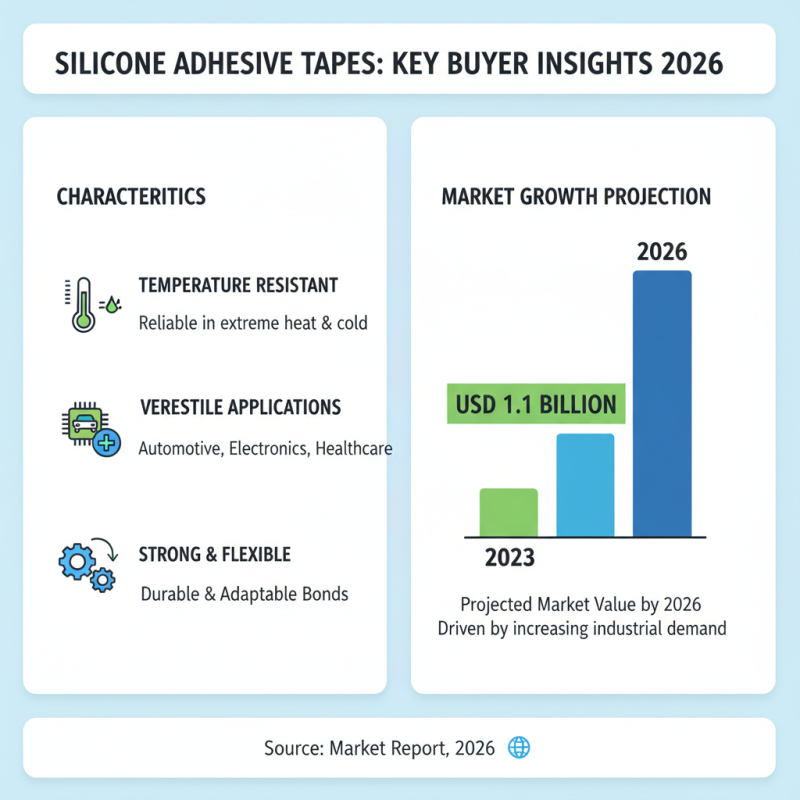
Silicone adhesive tapes have gained popularity due to their unique properties. They are resistant to temperature extremes, making them reliable in various applications. According to a recent market report, the silicone adhesive tape market is projected to grow significantly, reaching USD 1.1 billion by 2026. This growth is driven by the demand across industries such as automotive, electronics, and healthcare.
One key characteristic of silicone adhesive tape is its excellent adhesive strength. These tapes can bond to various surfaces, including metals and plastics. This versatility is crucial in sectors where durability is needed. Additionally, silicone tapes are waterproof and can maintain their integrity in humid conditions. This quality is particularly important for buyers seeking reliability in outdoor applications or high-humidity environments.
Buyers should also consider the thickness and width of the tape. Thicker tapes often provide enhanced insulation and protection. However, this can also lead to challenges in application. Finding the right balance between thickness and ease of use is essential. The learning curve associated with these products can lead to mistakes, emphasizing the need for proper guidance and evaluation of choices. Understanding these characteristics can equip buyers with the knowledge to make informed decisions as they navigate the evolving market landscape in 2026.
Top Applications of Silicone Adhesive Tapes Across Industries
Silicone adhesive tapes are versatile tools with numerous applications across various industries. In 2026, the potential uses will expand even further. One common application is in the automotive sector. These tapes offer high resistance to heat and moisture, making them ideal for insulation and sealing. They can effectively protect sensitive components from damage.
In the electronics industry, silicone adhesive tapes are crucial for insulation. They provide reliable adhesion while ensuring that electrical circuits operate safely. Users should consider temperature resistance when selecting the right tape. Improper tape choices can lead to failures.
Tips for choosing the right silicone adhesive tape include evaluating the environment in which it will be used. Consider factors like exposure to chemicals and extreme temperatures. Testing a small sample can prevent costly mistakes down the line. Misjudging the tape’s properties could result in device malfunctions. Remember, not every tape is tailored for every task. Finding the right fit requires careful thought and testing.
Top Silicone Adhesive Tape Uses for Global Buyers in 2026
Comparative Advantages of Silicone Adhesive Tapes Over Traditional Tapes
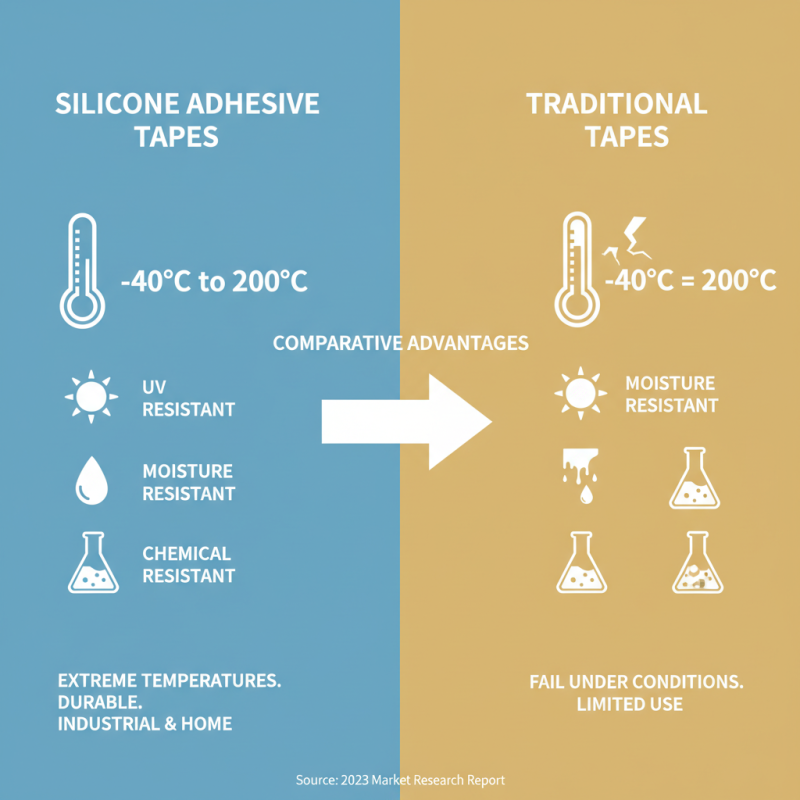
Silicone adhesive tapes offer several advantages compared to traditional adhesive solutions. According to a 2023 market research report, these tapes can endure extreme temperatures ranging from -40°C to 200°C. This makes them ideal for applications in both industrial and home settings. Their high resistance to UV light, moisture, and chemicals adds to their durability. Traditional tapes often fail when exposed to these conditions.
Another significant benefit is the versatility of silicone adhesive tapes. They can bond to various surfaces, including metals, plastics, and glass. A study indicated that silicone tapes maintain their adhesive properties in challenging environments, unlike traditional tapes. The unique composition provides a strong grip without leaving residue. This property is essential for industries needing clean removal, such as electronics and automotive.
Despite these strengths, silicone adhesives are often costlier than traditional options. Some users might hesitate due to budget constraints. Additionally, while they excel in high-temperature situations, their performance at lower temperatures can vary. Companies must evaluate their specific needs when choosing between these options. Balancing cost and performance is crucial for optimal results.
Factors Influencing the Global Demand for Silicone Adhesive Tapes
Various factors are shaping the global demand for silicone adhesive tapes in 2026. One of these is the rising awareness of sustainable materials. Buyers are increasingly drawn to eco-friendly options. Silicone tapes are known for their durability and resistance to extreme conditions. This appeals to industries focused on environmental responsibility.
Moreover, advancements in technology play a significant role. Innovations in adhesive formulations enhance performance. These improvements make silicone tapes essential in sectors like automotive and electronics. However, there is a concern about the availability of high-quality materials. Not all manufacturers meet the required standards. Quality inconsistencies can lead to serious repercussions in end products.
Market trends also influence demand. As e-commerce grows, packaging needs are changing. Businesses require reliable sealing solutions for online deliveries. Silicone adhesive tapes can provide strong bonds while remaining flexible. Nevertheless, some buyers may overlook the technical specifications. This oversight can lead to poor purchasing decisions. Understanding the specifics of silicone adhesives is essential for effective use.
Future Trends in Silicone Adhesive Tape Technology and Market Growth
As we look towards 2026, the silicone adhesive tape market is poised for significant advancements. Innovations in technology are making these tapes more versatile and efficient. Enhanced bonding capabilities are emerging, making them suitable for diverse applications across industries. These improvements stem from ongoing research and development efforts, aiming to increase the durability and temperature resistance of these products.
Another key trend is the growing demand for eco-friendly materials. Manufacturers are exploring sustainable options to meet the expectations of environmentally conscious consumers. This shift may lead to a reinvention of silicone adhesive tape, emphasizing recyclability and reduced environmental impact. However, this transition presents challenges, as companies must balance performance with sustainability.
Market growth is also influenced by industrial automation. As factories evolve, the need for reliable adhesive solutions becomes critical. Silicone adhesive tapes enable streamlined processes, often reducing downtime and operational costs. Buyers should consider the variety of options available but remain cautious. Not all products will meet specific needs, and thorough research is necessary to avoid mismatches.