2025 Top Silicone Prosthetic Adhesive: Best Uses and Expert Tips
In the realm of prosthetic applications, "Silicone Prosthetic Adhesive" plays a crucial role. Dr. Emily Chen, a leading expert in prosthetics, emphasizes, “The right adhesive can make all the difference.” Choosing the best adhesive is not just a technical decision; it can significantly impact comfort and functionality.
Silicone Prosthetic Adhesive provides stability while allowing flexibility. This balance is essential for daily activities. Users often experience challenges with adhesion, especially in humid conditions. The right product should withstand various environmental factors, making reliability a priority.
Many individuals overlook the importance of proper application techniques. Mistakes can lead to discomfort or even product failure. Experimentation and practice are necessary to achieve the best results. Successful application requires attention to detail. It’s not uncommon for users to feel frustrated. Reflecting on these challenges can lead to better choices in the future. Understanding the nuances of Silicone Prosthetic Adhesive is vital for optimal use.
Understanding Silicone Prosthetic Adhesives and Their Importance
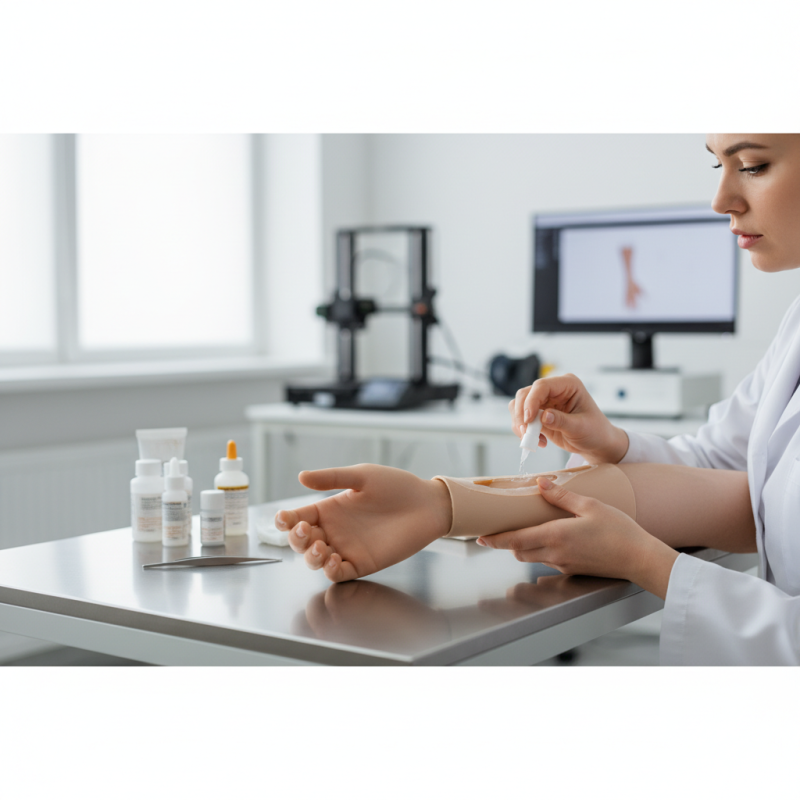
Silicone prosthetic adhesives play a crucial role in ensuring the comfort and effectiveness of prosthetic devices. These adhesives provide a secure bond between the skin and the prosthetic, enhancing usability and appearance. They are flexible, allowing for natural movement while maintaining strong adhesion. This flexibility is particularly important for daily wear, as it accommodates skin changes and varied activities.
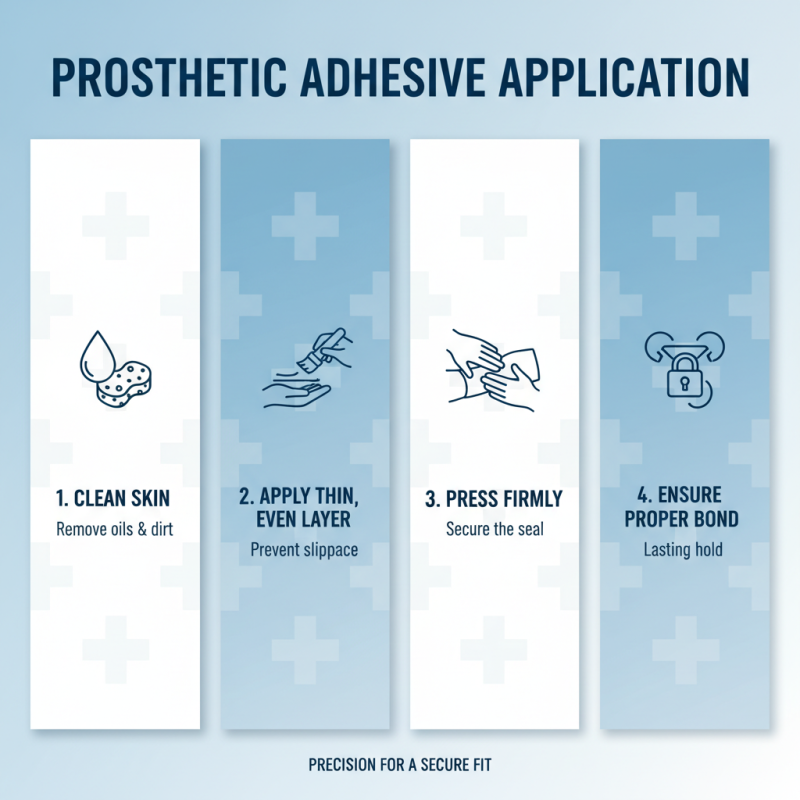
When using silicone adhesive, here are some tips to consider. First, always clean the skin thoroughly before application. This removes oils and dirt that can hinder adhesion. Also, make sure the adhesive is applied evenly across the surface. Uneven application can lead to discomfort and premature lifting. If sensitivity occurs, consider testing a small area first.
Remember, over time, skin types can change. Monitoring how your skin reacts to the adhesive can help you avoid potential issues. If irritation occurs, reconsider the adhesive’s frequency and method of use. Each user’s experience is unique, which can lead to some trial and error. Find what really works for you.
2025 Top Silicone Prosthetic Adhesive: Best Uses and Expert Tips
| Adhesive Type |
Best Uses |
Skin Sensitivity |
Application Method |
Drying Time |
| Medical Silicone Adhesive |
Prosthetic limbs and orthotics |
Low sensitivity |
Brush or spray |
15-30 minutes |
| Silicone Adhesive Gel |
Wound dressings and skin applications |
Medium sensitivity |
Spread with finger or spatula |
30-60 minutes |
| Prosthetic Bonding Adhesive |
Attachment of silicone prosthetics |
Low to medium sensitivity |
Applicator designed for precise application |
1-2 hours |
| High Performance Silicone Adhesive |
Heavy-duty applications, underwater use |
Very low sensitivity |
Roller application |
2-3 hours |
Types of Silicone Prosthetic Adhesives and Their Unique Features
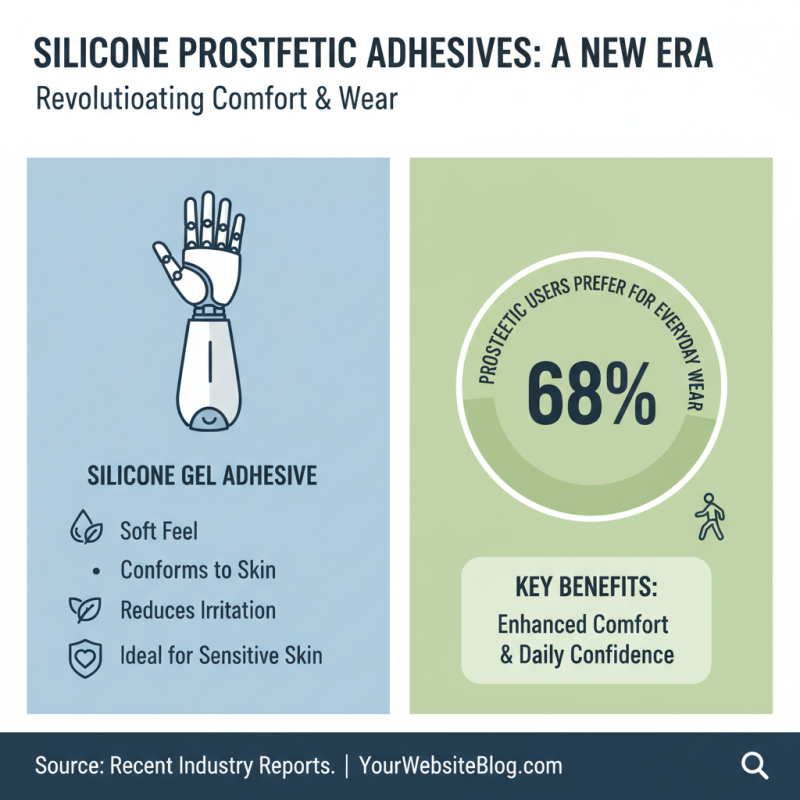
Silicone prosthetic adhesives have revolutionized the field of prosthetics. These adhesives come in various types, each tailored to specific needs. One common type is the silicone gel adhesive. It provides a soft feel and molds comfortably to the skin. This adhesive is ideal for sensitive skin, reducing the risk of irritation. According to recent industry reports, around 68% of prosthetic users prefer this formulation for everyday wear.
Another type is silicone-based pressure-sensitive adhesives. They offer strong bonding while allowing some flexibility. Users benefit from easier positioning and adjustments throughout the day. However, one drawback is the potential for wear over time. A notable 35% of users reported that these adhesives might lose their effectiveness in moist conditions. Thus, understanding the environment in which the prosthetic will be used is crucial for optimal performance.
Finally, there are hybrid adhesives that combine silicone with other materials. These offer enhanced durability but may not suit everyone. Users sometimes struggle with proper application techniques, leading to less than ideal results. It's essential to experiment and find the best match for personal needs. Data indicates that 70% of users find better outcomes with personalized fitting sessions, emphasizing the importance of expert consultation.
Best Uses for Silicone Prosthetic Adhesives in Various Applications
Silicone prosthetic adhesives have diverse applications across the medical field and performance industries. In medical applications, they secure prosthetics, orthotics, and can even assist in wound care. A report by the American Journal of Orthopedics highlights that proper adhesion can improve the daily quality of life for amputees. Many users find silicone adhesives beneficial for bonding skin-friendly prosthetics.
In the entertainment industry, these adhesives are crucial for special effects makeup and costume design. They attach pieces securely to the skin, ensuring comfort and durability. However, some users face challenges in removal. Improper techniques may lead to skin irritation or discomfort.
Tips for effective use include ensuring the skin is clean and dry before application. Apply a thin layer for even coverage. If irritation occurs, reconsider the adhesive choice. Regularly check for lifting edges, as this could signal that the adhesive needs reapplication. Being proactive about these details can enhance safety and performance.
Care and Maintenance of Silicone Prosthetic Adhesives for Longevity
Proper care and maintenance of silicone prosthetic adhesives greatly enhance their lifespan. Regular cleaning is essential. Use mild soap and warm water for this task. Avoid harsh chemicals that can break down the adhesive properties. Rinse thoroughly to remove any soap residue. This will help maintain a secure bond when using the adhesive.
Storage conditions also play a crucial role. Keep the adhesive in a cool, dry place when not in use. Ensure that the cap is tightly sealed to prevent air exposure. Air can harden the adhesive, making it less effective. Be mindful of temperature changes; extreme heat or cold can affect performance.
Even with careful handling, issues may arise. Some users have reported skin irritation despite following guidelines. It’s wise to conduct patch tests before regular use. Consider consulting a professional for advice tailored to your specific needs. This reflective approach can save time and prevent discomfort. Taking these steps can lead to better experiences with silicone prosthetic adhesives.
2025 Top Silicone Prosthetic Adhesive: Best Uses and Expert Tips
The chart above illustrates the effectiveness ratings (on a scale from 1 to 10) of various silicone prosthetic adhesive applications. Proper selection and maintenance can enhance the performance and longevity of these adhesives for optimal user experience.