How to Find Top Stone Coated Roofing Suppliers in China?
Finding dependable Stone Coated roofing suppliers in China requires more than comparing online prices. The strongest choices reveal their factories, testing records, and production experience. Roofing procurement consultant Michael Turner states, “A reliable roof begins with a reliable supply chain.” This principle deserves attention during every supplier evaluation.
Visit the factory when possible. Watch the forming line, granule application, drying process, and packaging area. Ask how the supplier controls coating thickness, steel quality, color consistency, and edge protection. Request product samples before discussing large orders. Examine the surface closely. Loose granules, exposed metal, uneven cuts, or weak bends can signal deeper quality problems.
A serious supplier should provide technical data, installation guidance, inspection records, and a clear warranty. Check whether independent laboratories verify corrosion resistance, wind performance, water resistance, and fire behavior. Confirm the base steel grade and coating specifications. Also review export experience, communication speed, replacement procedures, and container-loading practices. A polished website proves very little. That is easy to forget.
Price still matters, but the cheapest quotation may hide thinner steel, inconsistent granules, or poor packaging. Compare the complete landed cost, including freight, taxes, accessories, and possible replacements. Speak with previous customers if the supplier permits it. Their feedback may reveal delays that brochures never mention. Even careful buyers can miss small details. Therefore, use a written checklist and record every promise. A short factory visit, practical testing, and honest questioning can reduce costly surprises. Yet no checklist is perfect. Supplier performance should be reviewed continuously, not trusted once and forgotten.
Define Your Stone Coated Roofing Product Requirements
How to Find Top Stone Coated Roofing Suppliers in China?
Define Your Stone Coated Roofing Product Requirements
Before contacting suppliers, define the roof system you actually need. Start with panel dimensions, base metal, coating thickness, surface color, and profile shape. A coastal project may require stronger corrosion resistance than an inland warehouse. Record the local climate, roof pitch, wind exposure, and expected service life.
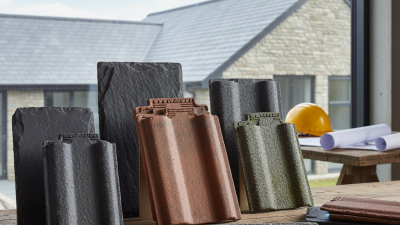
Specify the metal grade and protective layers clearly. Ask for zinc or aluminum-zinc coating data, stone granule adhesion, and edge protection details. Include acceptable color variation and dimensional tolerances. Small differences can create visible lines across a large roof. Also request packaging requirements, pallet limits, and labeling information.
My early specifications were too vague. That caused different suppliers to quote different products. A precise drawing prevents this problem. Provide cross-section drawings, sample colors, and estimated annual volume. Ask for test reports from recognized laboratories, but check whether the reports match the offered product. Do not rely on photographs alone.
Consider installation conditions before choosing accessories. Ridge caps, flashing, valleys, screws, and ventilation parts should fit the panel design. Request production samples before approving a large order. Inspect coating consistency, cut edges, locking points, and granule coverage. One overlooked detail can increase installation labor. A supplier should explain its quality checks, inspection records, and response process when a batch fails.
How to Find Top Stone Coated Roofing Suppliers in China?
Define Your Stone Coated Roofing Product Requirements
Before comparing suppliers, specify the metallic coating mass of the steel substrate.
The values shown are common aluminum-zinc coating designations from ASTM A792/A792M and EN 10346,
expressed as the minimum total coating mass on both sides. A clearly defined coating requirement
makes supplier quotations, material certificates, and incoming inspections easier to compare.
Research China’s Leading Stone Coated Roofing Supplier Regions
China’s leading stone coated roofing supplier regions are often linked to strong steel and construction networks. Zhejiang and Jiangsu have many manufacturers with mature roll-forming equipment and coating experience. Shandong is known for broad metal processing capacity and practical roofing production. Guangdong can be useful for buyers needing export experience and access to southern ports.
Regional strength does not guarantee supplier quality. A factory near a production cluster may still use weak base steel or inconsistent granules. Request the material specification, coating thickness, stone adhesion data, and corrosion test reports. Ask for recent production photos and installation samples. A serious supplier should explain its quality checks clearly.
Visit the factory when possible. Check coil storage, cutting accuracy, edge finishing, and packaging protection. Speak with the technical team, not only the sales representative. Small details matter, especially under heavy rain or strong sunlight. I have found that supplier lists can be misleading. Some companies appear local but outsource key processes. Confirm the actual production address, equipment ownership, and export records before comparing prices. Cheap quotations often omit accessories, testing, or stronger packaging.
Verify Supplier Qualifications, Factory Capacity, and Product Quality
How to Find Top Stone Coated Roofing Suppliers in China?
A reliable supplier should provide complete business registration, export records, and relevant quality certificates. Check whether the certificates match the actual factory and product range. Do not rely on scanned documents alone. Request issuing-body verification when possible.
Factory capacity deserves a physical review or an independent audit. Inspect the coating line, raw material storage, pressing equipment, and finished-goods warehouse. Ask for monthly output figures and current production schedules. A crowded warehouse may reveal weak inventory control. A small factory is not automatically unreliable, but unclear capacity can create delivery risks.
Product quality must be tested beyond appearance. Request samples from regular production, not specially prepared pieces. Examine stone adhesion, coating coverage, panel dimensions, and edge finishing. Ask for test reports covering corrosion resistance, weather exposure, and water performance. Compare sample weight with the declared specification. In my experience, minor color variation often appears after large-scale production. It should be discussed before ordering. No checklist is perfect. A rushed inspection can still miss inconsistent coating thickness. Keep written records of inspections, approved samples, packaging details, and corrective actions. Clear communication with the technical team matters more than polished sales language. A dependable supplier accepts reasonable questions and explains limitations honestly.
Evaluate Samples, Contracts, Shipping, and Long-Term Support
Choosing top stone-coated roofing suppliers in China requires more than comparing catalog prices. Request full-size samples, not small swatches. Check coating uniformity, edge finishing, granule adhesion, and color consistency under daylight. Ask for test records covering corrosion resistance, wind uplift, water absorption, and fire performance. ASTM E108 or equivalent testing can strengthen technical confidence. According to Grand View Research, the global roofing materials market was valued at over USD 140 billion in 2023, increasing competition and quality variation.
A reliable contract should define steel thickness, coating mass, color tolerance, packaging, inspection rights, and warranty remedies. Include an approved sample as a physical reference. Avoid vague terms such as “premium quality.” Confirm Incoterms, loading photos, container capacity, and moisture protection. The World Bank’s 2023 Logistics Performance Index assessed 139 economies, showing why customs handling and shipment visibility deserve careful review. A low quotation may hide weak packaging or delayed documentation.
Tips: Place a pilot order first. Inspect before balance payment. Use an independent inspector when distance limits your control. Ask for production photos with dated labels and batch numbers. Long-term support also matters. Require installation guidance, replacement procedures, spare accessories, and a named technical contact. ISO 9001 certification is useful, but it does not replace product inspection. I would still question certificates without traceable laboratory records. Supplier evaluation is never perfect. It improves through repeated evidence, not confident promises.