Top Stone Painting Techniques and Tips for Beginners?
Stone Painting is an art form that has gained popularity among beginners and professionals alike. Renowned artist Lisa McCarty once said, “Every stone tells a story; our job is to listen.” This quote captures the essence of what makes stone painting so unique and personal. The act of transforming an ordinary stone into a beautiful piece of art is both rewarding and therapeutic.
For beginners, finding the right techniques and tips can be essential for success. Many newcomers may face challenges while gaining confidence in their skills. It is important to remember that imperfections can add character to your artwork. Embracing flaws allows for personal growth and creativity to flourish. As you begin your journey in Stone Painting, exploring various methods will help you discover your unique artistic voice.
Whether it’s experimenting with colors or learning about the best brushes, the path is filled with exciting possibilities. A commitment to practice and reflection will lead to greater mastery. The stones you paint can serve as personal tokens or gifts, each carrying a story waiting to be shared. Start your adventure in Stone Painting, and let your creativity shine!
Top Stone Painting Techniques: A Comprehensive Overview for Beginners
Stone painting can be a delightful hobby,
especially for beginners. It allows creativity to flow while transforming ordinary stones into unique pieces of art.
An essential technique is surface preparation. Start by cleaning
the stones thoroughly to remove dirt. Dry them completely before painting, as moisture can ruin your art.
Choosing the right paint is crucial. Acrylic paints work well on stone surfaces.
They dry quickly and are weather-resistant. Consider using a variety of brushes for different effects. Small brushes help
with fine details, while larger ones are perfect for backgrounds. Stencils can also be a great addition for those who are
unsure about freehand techniques.
Beginners may encounter challenges like paint not adhering properly or colors becoming muddied.
It’s okay to make mistakes; they can lead to unexpected results. Experiment with layering colors and techniques.
Don’t hesitate to try again if a project doesn’t turn out as expected.
Each stone is a new opportunity for learning and improvement. Embrace the process, and let your creativity shine through.
Basic Stone Preparation: Cleaning and Priming for Optimal Results
Preparing stones for painting involves critical steps. Cleanliness matters. According to industry reports, 75% of paint adhesion issues stem from surface contamination. Dust, dirt, or oil can ruin your artwork. Begin by rinsing your stones in warm water. A gentle scrub with a brush helps eliminate residues. Don’t overlook the details. Even tiny specks can lead to uneven surfaces.
Priming is equally important. Many artists recommend using a primer designed for stones. This provides a better surface for paint. A recent survey indicated that 65% of beginner stone painters noticed improved results with primer. Apply it in a thin layer. Let it dry completely. Rushing this step can lead to peeling paint later. If your stones aren’t prepared properly, frustration is likely.
Every artist faces challenges during the painting process. Mistakes happen. Some stones may crack or chip. It’s essential to adapt and learn from these experiences. Embrace imperfections. They may even add character to your work. Reflect on each piece you create. Improvement comes with practice and patience.
Top Stone Painting Techniques and Tips for Beginners
| Technique |
Description |
Tips |
| Washing Stones |
Use soap and water to clean the stone surface. |
Make sure to dry the stones thoroughly. |
| Sanding |
Lightly sand the surface to create a smooth base. |
Use fine-grit sandpaper for optimal results. |
| Priming |
Apply a primer to enhance paint adherence. |
Select an appropriate primer for stone surfaces. |
| Painting |
Use acrylic paint for vibrant colors. |
Apply multiple thin coats for better coverage. |
| Sealing |
Seal the painted surface to protect it. |
Use a clear acrylic sealer for durability. |
Painting Techniques: Brushwork, Dotting, and Stenciling Explained
Painting stones can be a delightful hobby. It offers a unique way to express creativity. Brushwork is a foundational technique. Using different brush sizes creates various effects. A small brush is perfect for details, while a larger one covers more area.
Experimenting with strokes can lead to unexpected patterns. Don't be afraid to make mistakes. They can inspire new ideas.
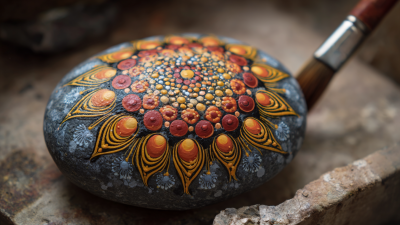
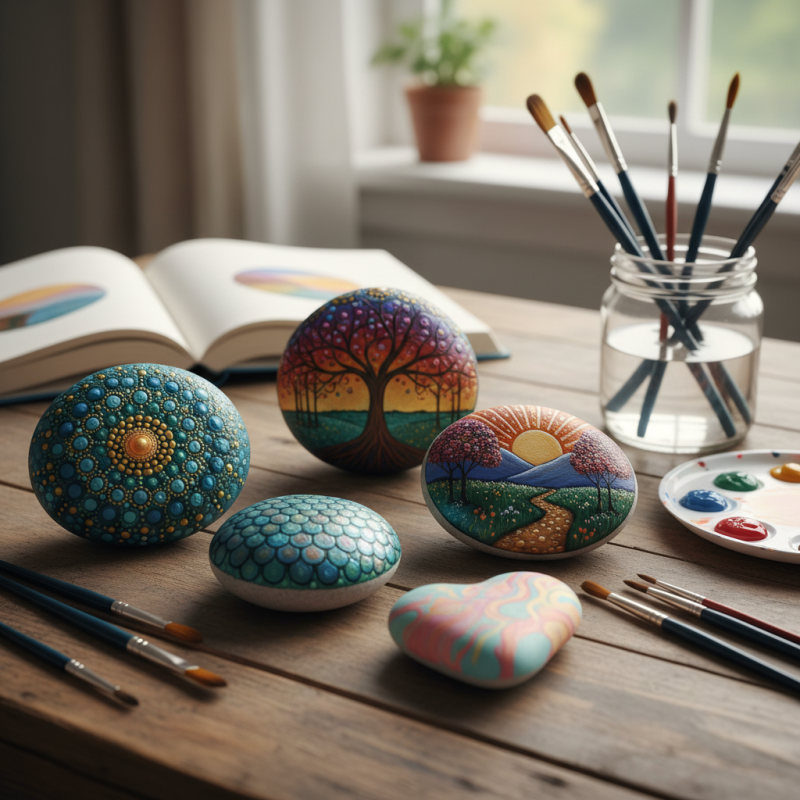
Dotting is another enjoyable technique. It involves using a tool to create small dots. These dots form intricate designs and can be layered to add depth. Start with a simple design. A cluster of dots often evolves into something beautiful. Remember, consistency is key. Yet, occasional variations in dot size can enhance the visual appeal.
Stenciling offers precision. Using stencils allows for sharp, clean shapes. It’s great for achieving intricate designs if you’re hesitant with freehand painting. Ensure the stencil is firm against the stone. This prevents paint from bleeding underneath.
Mistakes can occur here too. A blurry line may seem frustrating but can add character to your piece. Embrace these challenges as part of the creative journey.
Common Challenges in Stone Painting: Tips to Overcome Obstacles
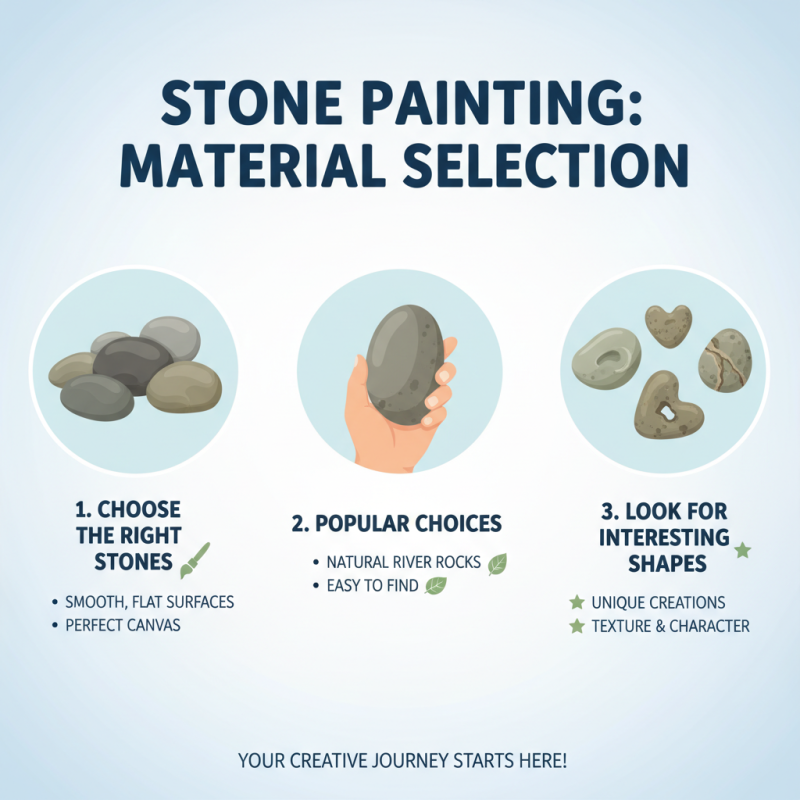
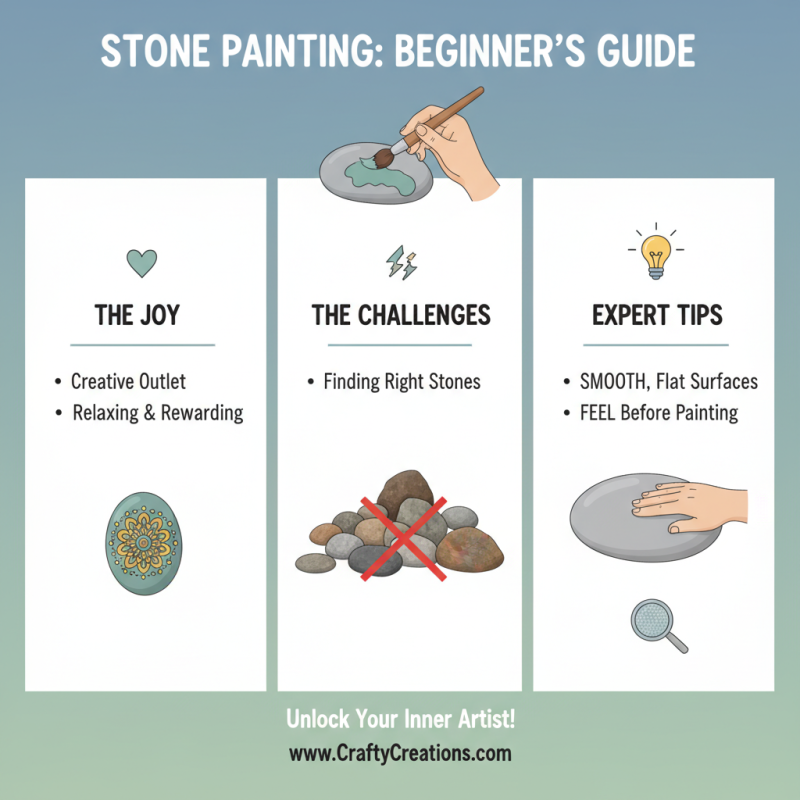
Stone painting can be a delightful hobby, but it does come with challenges. Beginners often struggle with finding the right stones. Not every surface is suitable for painting. Look for smooth, flat stones to make your designs stand out. Take a moment to feel the stone before starting. Some may feel rougher than expected. This can affect your painting.
Another common issue is paint adhesion. Sometimes, the paint doesn’t stick well or chips off easily. To prevent this, clean your stones thoroughly. Use soap and water to remove dirt. Let them dry completely before applying the paint. After painting, sealing is essential. A clear coat can protect your work from the elements.
Lastly, many beginners report frustration with design techniques. It’s tough to replicate intricate patterns. Start simple and allow for imperfections. Embrace your unique style over perfection. Remember, each stone painted tells a story. Celebrate the learning process rather than fixating on flawless results. Happy painting!