China has become an important sourcing destination for Faux Painting products, serving residential, hospitality, retail, and commercial projects worldwide. Manufacturers and suppliers offer decorative wall finishes, textured coatings, imitation stone effects, metallic surfaces, and custom color solutions. Their capabilities can vary widely, even when product images look similar.
A reliable evaluation should examine production experience, material consistency, technical support, and quality control procedures. Factory visits, verified samples, and clear product specifications provide stronger evidence than attractive catalog photos. Buyers should check coating adhesion, color stability, drying performance, packaging strength, and batch tracking. Small details matter. A damaged sample jar may reveal weak shipping protection. Uneven texture may indicate inconsistent application guidance or production control.
This guide introduces China’s best Faux Painting manufacturers and suppliers through practical sourcing criteria. It considers customization capacity, environmental documentation, communication quality, lead times, and after-sales support. Experienced suppliers can recommend suitable finishes for plaster, drywall, wood, or commercial surfaces. They should also explain preparation steps, application tools, curing conditions, and maintenance requirements. However, no supplier is perfect, and published claims still require independent verification. Product performance may change with climate, substrate condition, and installer skill. That limitation deserves attention. Samples should be tested under realistic project conditions before a large order is approved. Careful comparison helps buyers identify dependable partners rather than choosing only by price.
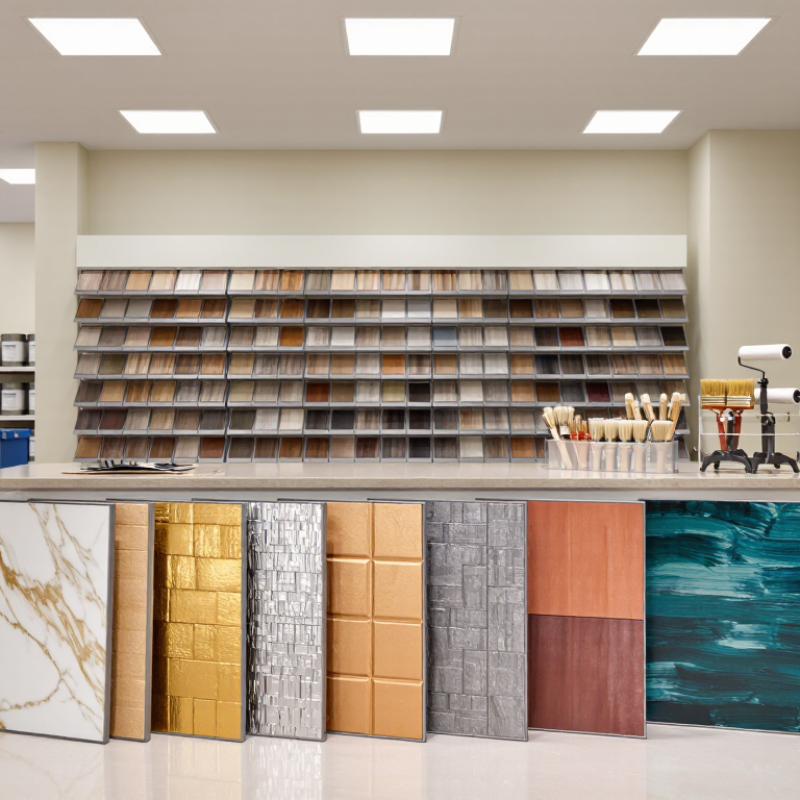
Faux painting products recreate the appearance of stone, wood, metal, or aged plaster. They include glazes, decorative plasters, texture pastes, metallic coatings, and protective sealers. Each material behaves differently. A water-based glaze can create soft marble veins, while a textured plaster adds visible depth to a wall. The product must match the surface, room conditions, and desired finish.
In residential interiors, glazes work well on accent walls, cabinets, and ceilings. A sponge can produce gentle clouding, while a feathered brush creates sharper movement. Wood-grain tools help imitate oak or walnut patterns on doors and furniture. Commercial spaces often use durable textured coatings near reception desks and corridors. Bathrooms require moisture-resistant systems and carefully sealed edges. Texture matters too. A rough finish may collect dust in busy areas.
Reliable manufacturers and suppliers should provide technical data, batch information, drying times, and substrate guidance. Experienced applicators test every product on a small board before starting. Lighting can expose unwanted streaks or color shifts. This step is often skipped. That is a mistake. Even a high-quality coating may fail over grease, loose paint, or unsealed plaster. I have found that patient surface preparation improves results more than expensive tools. Still, sample boards cannot fully predict a large wall’s appearance. Natural light changes throughout the day, so the final choice deserves another review.

Choosing Chinese faux painting manufacturers requires more than comparing catalog prices. Fortune Business Insights valued the global paints and coatings market at USD 206.56 billion in 2023. This scale increases supplier choice, but also increases quality variation. Look for manufacturers with documented experience in decorative finishes, including marble, concrete, wood, and metallic effects. Request dated project photos, coating specifications, and physical samples. Digital images can hide uneven texture.
Technical evidence matters. Ask for substrate preparation guides, coverage rates, drying times, and batch-control procedures. Reliable suppliers should explain pigment consistency and provide test results for adhesion, abrasion, and moisture resistance.
ISO 9001 certification can support process credibility, but it does not replace factory verification. Request a live video inspection or an independent audit. Check the mixing room, curing area, laboratory equipment, and sample-retention records. Small details matter.
Check every specification.
Environmental data deserves equal attention. The European Commission’s VOC regulatory framework shows why solvent content and emissions require careful review for international projects. Ask for safety data sheets, VOC declarations, and applicable conformity documents before payment. Confirm packaging strength, labeling, pallet protection, and replacement procedures for damaged goods. In my experience, suppliers often promise color stability, yet sunlight testing is unclear. That weakness deserves written clarification. No audit is perfect. Compare three production batches, not one attractive sample. A dependable supplier communicates limitations openly, accepts reasonable inspection, and provides traceable corrective actions when results fall short.
China’s faux painting supply chain is concentrated in several practical manufacturing regions. Guangdong is known for export-oriented factories, flexible customization, and mature packaging services. Zhejiang often supports decorative surface products, home improvement materials, and medium-volume orders. Jiangsu provides stronger industrial coordination, with suppliers offering stable production and technical documentation. Fujian also has experienced workshops for artistic finishes and customized decorative panels.
Supplier types vary considerably. Large factories usually provide color matching, sample approval, batch production, and inspection records. Small workshops can produce unusual textures, hand-painted effects, and limited collections. Their craftsmanship may be impressive. Their capacity can be uneven. Trading companies are useful for combining products from different workshops, but buyers should confirm the actual production site. Some suppliers mainly sell paint tools and coatings, while others manufacture finished faux marble, wood-grain, plaster, or metallic-effect surfaces.
A practical sourcing process should include physical samples. Digital colors can mislead. Ask for coating thickness, drying time, surface compatibility, and resistance test results. Check whether pigments remain consistent after storage and transport. Humid coastal regions may require better moisture-control packaging. Request factory photos, production videos, and a clear defect policy. I have found that written specifications prevent many disputes, although they cannot replace an in-person inspection. Small details matter, such as edge protection, batch labels, and carton strength. Some suppliers respond quickly but document poorly. That weakness deserves careful review.
China Best Faux Painting Manufacturers and Suppliers
Evaluating faux painting suppliers starts with physical samples, not attractive catalogs. Request panels showing marble, wood grain, concrete, or aged plaster effects. Check color depth, edge control, surface adhesion, and texture consistency under warm and cool lighting. Rub a hidden area gently. Flaking, uneven gloss, or a strong chemical odor deserves further questions. Ask for coating specifications, batch records, and recent quality test reports. Reliable manufacturers should explain their inspection process clearly.
Customization requires more than sending a reference image. Share dimensions, substrate type, target finish, color codes, and acceptable variation. A capable supplier can produce a small mock-up before mass production. Confirm how revisions are documented and who approves the final sample. I have found that written tolerance levels prevent disputes, although they can slow approval. That trade-off is real.
Production capacity should be verified on the factory floor. Review mixing equipment, curing areas, storage conditions, and packaging methods. Ask for monthly output, current order load, lead times, and backup plans for pigment shortages. A large workshop is not automatically dependable. Consistent staffing and traceable batches matter more. Request photos or an audit when an in-person visit is impossible. Some suppliers answer confidently but avoid numbers. That is a warning sign. Supplier evaluation remains imperfect, so record every test result and revisit assumptions before signing a purchase agreement.
Ordering faux painting materials from China requires more than comparing catalog prices. Grand View Research valued the global paints and coatings market at approximately USD 206.56 billion in 2023. This scale creates many supplier choices, but product categories can be confusing. Request a physical sample, technical data sheet, and batch photographs before placing a larger order. A test panel should show texture, color variation, drying time, and surface adhesion.
Pricing usually depends on pigment quality, packaging, order volume, and customization. Ask suppliers to separate product cost, inland transport, export packing, documentation, and freight charges. A low quotation may exclude moisture-resistant packaging or port handling. For export services, confirm the agreed trade term, carton dimensions, pallet treatment, and estimated production schedule. The International Trade Centre provides trade data that can help buyers compare product classifications and destination-market trends. Still, classification differences deserve careful checking.
Supplier verification should include a registered business certificate, factory address, recent production videos, and two verifiable customer references. An independent inspection can check quantity, labeling, packaging strength, and color consistency before shipment. ISO 9001 certification may support process control, but it does not prove every batch is excellent. That distinction matters. I would also request a small trial order, because polished samples sometimes hide ordinary production results. Mistakes happen when buyers trust documents more than repeatable evidence.