China Top 10 Metal Shingle Manufacturers for Global Buyers
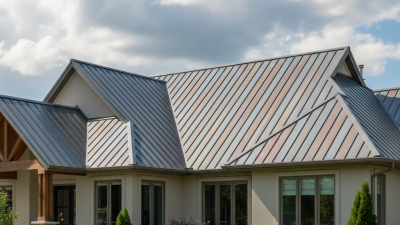
China’s metal roofing sector has become a practical sourcing destination for builders, distributors, and project contractors worldwide. Metal Shingles combine light weight, weather resistance, and visual flexibility. These qualities support residential renovations, commercial buildings, and low-slope architectural applications.
Industry reports show continued demand. Grand View Research estimates the global metal roofing market will maintain steady growth through 2030, supported by renovation activity and durable construction materials. Fortune Business Insights also identifies energy efficiency, long service life, and recyclable steel as major market drivers. These findings explain why international buyers continue examining Chinese suppliers, rather than relying only on local distributors.
This guide introduces China’s top 10 metal shingle manufacturers for global buyers. The selection considers manufacturing experience, export capability, product consistency, coating systems, and quality documentation. Factory scale matters. So does the detail behind it. Buyers should examine galvanized steel thickness, aluminum-zinc coating weight, paint warranty, wind-uplift testing, and salt-spray performance. A coastal project needs different protection from a dry inland warehouse.
Certifications can support confidence, but they are not the whole story. ISO 9001, CE-related documentation, ASTM test results, and verified project records deserve careful review. Samples should be checked under real installation conditions. Small issues, such as exposed fasteners or unclear flashing instructions, can become expensive later.
A ranking is useful, but never perfect. Supplier capacity, pricing, and lead times can change quickly. Therefore, this overview should support due diligence, not replace it. For serious buyers, the best manufacturer is not always the largest. It is the one that communicates clearly, controls production reliably, and matches its Metal Shingles to the project’s climate and installation requirements.
What Metal Shingles Are and How They Serve Global Roofing Markets
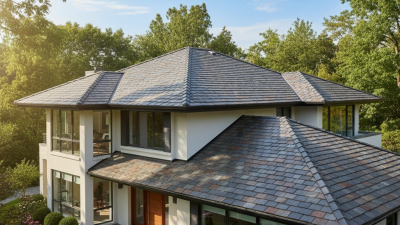
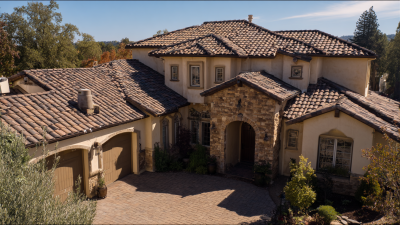
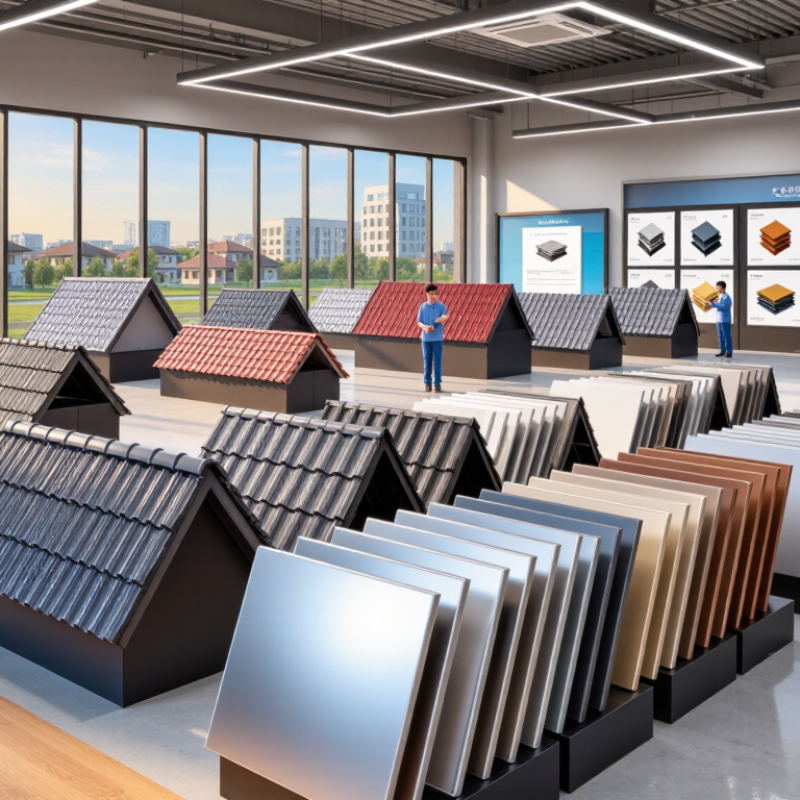
Metal shingles are small, shaped roofing units made from coated steel, aluminum, or other metals. Their overlapping edges help direct rain toward the eaves, while concealed or exposed fasteners secure them to the roof deck. Compared with long metal panels, shingles break the roof into smaller visual sections. Profiles can resemble slate, wood shakes, or traditional tiles without using those heavier materials. That flexibility matters. But the roof’s performance depends on more than the shingle itself: underlayment, flashing, ventilation, and careful fastening all play a part. Poorly detailed valleys can still leak.
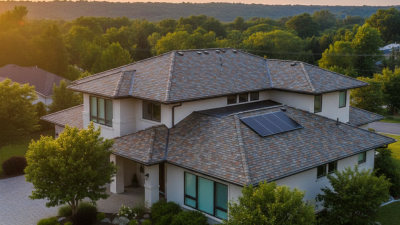
For global roofing markets, metal shingles offer a useful balance of lower roof weight, varied appearance, and practical transport in manageable bundles. In coastal regions, buyers should check the coating’s suitability for salt exposure; in snowy areas, roof pitch and snow-retention details deserve attention. Wind resistance also depends on the tested system and installation method, not simply the metal’s thickness. A small sample can look convincing, yet color and texture may change across a full roof in direct sun. That detail is easy to underestimate. Before specifying a product, compare material specifications, finish warranties, installation guidance, and local climate needs with a qualified roofing professional.
Key Criteria for Evaluating Chinese Metal Shingle Manufacturers
Evaluating a Chinese metal shingle manufacturer starts with evidence, not polished catalog images.
Ask for the alloy grade, steel or aluminum thickness, coating system, and declared tolerances. A reliable factory can explain its production flow, from coil inspection to roll forming and packing. Request recent test reports for corrosion resistance, adhesion, color stability, and wind performance. Check whether an independent laboratory issued them. Photos alone prove little. That matters.
Review samples under ordinary conditions.
Measure panel length, interlock fit, exposed fastener placement, and edge consistency. Look for chipped coating, oil marks, sharp burrs, or uneven granules. Ask how rejected coils are separated and recorded. Traceability should connect a batch number to raw material and final inspection data. Factory experience also appears in practical details, such as spare tooling and replacement-panel guidance. A sample can be excellent while mass production varies.
Before signing, assess production capacity, lead times, packaging, and export documentation.
Confirm the manufacturer understands the destination’s roofing standards, fire requirements, snow loads, and wind loads. Written specifications should cover color tolerance, thickness tolerance, warranty scope, and claim handling. Speak with the technical team, not only a sales contact. They should answer directly and admit limits. No checklist is perfect. I would still order a controlled pilot batch before a large shipment, because installation may reveal drainage or fitting issues. That extra step costs time, but it protects project credibility.
Profiles of Ten Chinese Metal Shingle Manufacturers for Global Buyers
China Top 10 Metal Shingle Manufacturers for Global Buyers
Mordor Intelligence estimates the global metal roofing market will grow at about 4% annually through 2029. Energy efficiency and replacement demand support this expansion. Chinese manufacturers now serve projects across residential, commercial, and agricultural sectors. The following profiles focus on measurable capabilities, not marketing claims.
Supplier One produces stone-coated steel shingles with automated granule lines.
Supplier Two specializes in aluminum-zinc coated steel for humid climates.
Supplier Three offers lightweight aluminum shingles for coastal projects.
Supplier Four focuses on concealed-fastener systems and clean roof profiles.
Supplier Five supplies fire-tested products for industrial buildings.
Supplier Six combines roll forming with strict dimensional inspection.
Supplier Seven develops colored finishes for housing renovations.
Supplier Eight handles export packaging for long-distance shipping.
Supplier Nine provides custom lengths and private-label production.
Supplier Ten supports small trial orders and technical drawings.
ASTM and EN testing remains important for coating adhesion, wind resistance, and corrosion performance. ISO 9001 certification can improve process reliability, but certification alone proves little. Buyers should request recent batch records, coating thickness data, salt-spray results, and installation manuals. Small details matter. A poorly protected edge may rust first.
Energy performance deserves careful review. The International Energy Agency reports that buildings consume roughly 30% of global final energy. Reflective coatings may reduce heat gain, although results depend on insulation, ventilation, and local weather. Some supplier claims sound too broad. Independent testing is still necessary before approval.
Comparing Product Ranges, Certifications, and Export Capabilities
China Top 10 Metal Shingle Manufacturers for Global Buyers
China’s leading metal shingle manufacturers usually offer stone-coated steel, aluminum-zinc panels, and traditional stamped profiles. Product ranges may include multiple colors, surface textures, ridge caps, valleys, flashings, and matching fasteners. Buyers should check coating thickness, base-metal grade, salt-spray performance, and color consistency between batches. A wide catalog is useful, but it does not always indicate stable production quality.
Certifications require careful review. ISO 9001 may support factory quality management, while CE marking or local fire-test reports may apply to specific markets and products. Ask for current certificates, test methods, issuing laboratories, and product-model references. Export capability also matters. Reliable suppliers should explain container loading, moisture protection, pallet design, labeling, customs documents, and replacement procedures for damaged goods. However, shipping experience can vary by destination, so request recent export records rather than accepting general claims.
Tips: Compare one complete roof system, not only the shingle price. Request samples from different production batches. Check whether accessories match the main panel color. Clarify warranty exclusions in writing. A factory may answer quickly but still overlook small packaging details. That weakness deserves attention. When visiting or auditing a supplier, inspect coil storage, coating lines, packing areas, and final inspection records. These details often reveal more than polished brochures.
How to Assess Suppliers and Plan a Metal Shingle Purchase
China Top 10 Metal Shingle Manufacturers for Global Buyers
How to Assess Suppliers and Plan a Metal Shingle Purchase
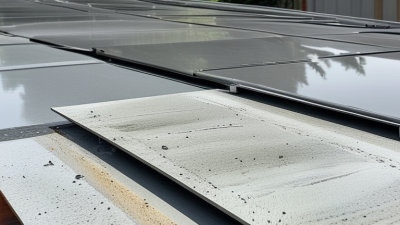
A dependable supplier should provide more than attractive catalog photos. Request physical samples with the exact coating, thickness, and surface texture stated in the quotation. Check the steel substrate, aluminum-zinc layer, paint system, and declared service conditions. A sample can reveal edge quality, color consistency, and whether granules shed during handling. Small details matter.
Ask for recent test reports, factory certificates, production capacity, and quality-control procedures. Verify whether these documents match the actual factory and product specification. A video tour helps, but an independent inspection is stronger evidence. Review customer references from similar climates and project sizes. Do not rely only on the lowest price. Low prices sometimes hide thinner material, weaker packaging, or uncertain replacement support.
Plan quantities from roof drawings, including overlaps, cuts, ridges, valleys, and expected waste. Confirm minimum order quantities before finalizing colors. Request a written schedule for sampling, production, inspection, and shipping. Clarify payment milestones, packaging standards, loading photos, and responsibility for transit damage. Use clear trade terms and consult qualified import professionals when requirements are complex. I would also test a small shipment before a large commitment. It costs more time. That is often worthwhile. A checklist can miss practical issues, especially when factory claims and delivered goods do not fully match. Recheck the details.
Metal Shingle Supplier Assessment Framework for Global Buyers
The chart presents a practical 100-point evaluation model for comparing metal shingle suppliers without ranking or displaying company-specific data. Buyers can use these weights to assess compliance, product quality, delivery capability, landed cost, and export support before placing an order.