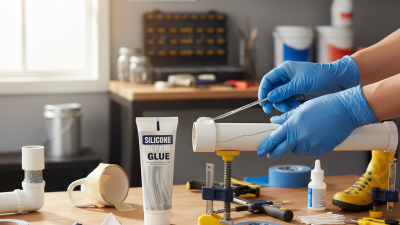
Global sourcing often turns a simple adhesive purchase into a technical and supply-chain decision. Flexible Silicone Glue deserves attention because it combines elastic movement with practical bonding performance. It can help seal, attach, or cushion parts exposed to vibration, moisture, and temperature changes. Think of a small electronics enclosure crossing oceans in a humid container. A rigid bond may crack when materials expand differently. Silicone flexibility can reduce that stress when the formulation fits the application. This is not a universal fix.
Experienced buyers should examine more than price per tube. They should verify cure chemistry, viscosity, substrate compatibility, working time, and final adhesion. Technical data sheets offer a starting point, not proof of performance in your product. Independent testing can compare peel strength, aging, humidity resistance, and temperature cycling. Supplier audits also matter. Review batch controls, traceability, packaging quality, and change-notification procedures. Ask for samples from production batches. Small details matter. A leaking cap can create waste, delays, and customer complaints. Reliable suppliers explain limitations instead of promising perfect results.
For global sourcing, documentation supports consistent decisions across teams and countries. Request safety data, compliance statements, certificates, and clear storage guidance. Requirements vary by product and market, so qualified professionals should confirm suitability. Cost deserves a wider calculation. Include freight, shelf life, failure risk, rework, and technical support. My practical view is cautious: Flexible Silicone Glue can be a strong option, but only after controlled validation. Some projects still need another adhesive. That conclusion may feel less exciting, yet it protects quality. Choose evidence over assumptions, and build a sourcing plan that withstands real-world handling.
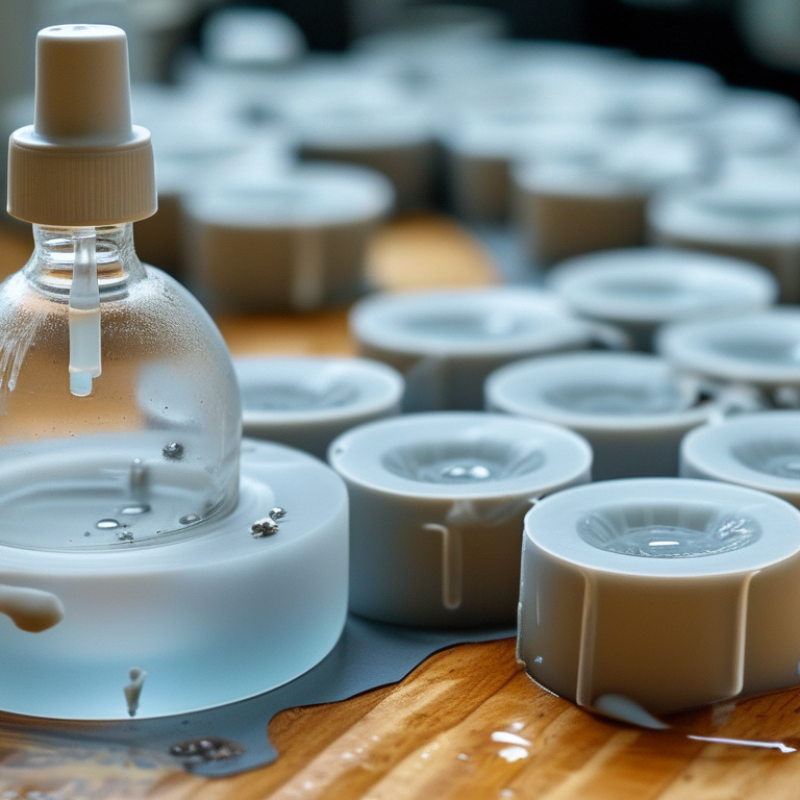
Flexible silicone glue is a rubber-like adhesive that bonds surfaces while remaining elastic. It commonly uses room-temperature vulcanizing chemistry. Moisture in the air triggers cross-linking, creating a flexible silicone network.
The mechanism is simple, but not always forgiving. The adhesive wets the surface, forms chemical or mechanical contact, then cures from the outside inward. Thick beads may need much longer curing times. A practical caveat: oily plastics, dusty metals, and poorly prepared glass can weaken the bond. Cleaning, controlled bead size, and a small adhesion test remain essential.
Its flexibility helps absorb vibration, thermal expansion, and movement between different materials. Many formulations tolerate wide temperature changes, although exact performance depends on fillers, cure chemistry, and substrate design. Grand View Research estimated the global silicone adhesives market at about US$3.1 billion in 2023, with continued growth through 2030. That demand reflects applications requiring durable sealing and flexible bonding across construction, electronics, transportation, and industrial assembly.
Global sourcing teams should request technical data sheets, safety documents, cure-speed data, tensile properties, elongation, and temperature limits. ASTM and ISO test methods improve comparison, but results can still vary with surface preparation. Numbers do not tell the whole story. A supplier’s sample may perform well in a laboratory and disappoint on a humid production line. Testing the actual materials, joint geometry, and curing environment is the more reliable step.

Why Choose Flexible Silicone Glue for Global Sourcing?
Silicone glue combines flexibility, weather resistance, and stable adhesion across many applications. It can absorb vibration without cracking when bonded materials expand or contract. That matters during international shipping, where containers may face heat, humidity, and repeated movement.
Grand View Research and Mordor Intelligence market assessments published in 2024 project silicone adhesive growth of roughly 6–8% annually. Their figures differ because market definitions and product categories vary. Still, the direction is clear. Buyers need reliable materials, not only low unit prices. A practical sourcing review should examine tensile strength, peel adhesion, curing speed, temperature range, and moisture resistance. Technical data sheets must support every claim.
Flexible silicone glue also supports broader material compatibility. It can bond glass, metals, ceramics, selected plastics, and coated surfaces, depending on surface preparation. Low-stress curing helps protect delicate components. Some grades provide electrical insulation, which benefits assemblies exposed to vibration or condensation. Packaging deserves attention too. Cartridges, tubes, and bulk containers need secure seals and clear batch information. Otherwise, shelf life can become a hidden cost.
It is not perfect. Silicone may adhere poorly to certain low-energy plastics without primers or special formulations. Sourcing teams should request samples, independent test results, and consistency data from several production batches. Regional compliance documents also need checking before shipment. A cheaper adhesive can become expensive after rework, rejected inspections, or damaged goods.
Silicone glue is widely considered suitable for global sourcing because it combines flexibility, weather resistance, temperature stability, moisture resistance, and electrical insulation. The normalized index below summarizes commonly documented technical advantages of silicone adhesive formulations on a 0–100 scale; actual performance varies by formulation and application.
Index basis: typical industry properties including elastic movement capability, resistance to heat and humidity, outdoor durability, insulation performance, and room-temperature curing practicality. No company or brand data is included.
Evaluating silicone glue starts with the application, not the product label. Identify the surfaces, joint size, movement, and curing environment. Glass, coated metal, plastic, and fabric can behave differently. A glue that bonds well to glass may peel from oily plastic.
Check flexibility after curing. Press the bonded parts, then measure recovery and surface cracking. For outdoor use, examine resistance to moisture, sunlight, temperature changes, and cleaning chemicals. A simple heat-and-humidity test can reveal failures that appear weeks later. It is not perfect, but it is useful.
Cure speed also matters. Fast curing may improve production flow, yet it can reduce adjustment time. Confirm the recommended bead thickness and ventilation requirements. Review technical data, safety documentation, shelf life, packaging, and batch traceability before global sourcing. Ask for samples from more than one production batch. Consistency deserves attention.
A practical evaluation should include peel, shear, and repeated flexing tests. Test the actual materials, not only laboratory coupons. A smooth sample may hide poor performance on a textured surface. This is where many purchasing decisions become too optimistic. Price comparisons can also mislead when waste, rework, and shipping conditions are ignored. Record every test condition clearly, because an undocumented result is difficult to trust.
Practical comparison criteria for selecting silicone adhesives across common industrial and consumer applications
| Application | Typical Substrates | Recommended Silicone Glue Type | Key Performance Range | Why Flexibility Matters | Critical Evaluation Points |
|---|---|---|---|---|---|
| Outdoor sealing and weatherproofing | Glass, aluminum, ceramic, painted metal, some plastics | One-component, moisture-curing RTV silicone; neutral-cure formulas are generally preferred for sensitive metals | Typical service range: approximately −50°C to 180°C; elongation commonly above 200% | Accommodates thermal expansion, vibration, and movement between dissimilar materials | UV and weather resistance, adhesion after water exposure, movement capability, cure depth, and surface preparation requirements |
| Electronics protection and gasketing | Circuit housings, connectors, coated metals, glass, engineering plastics | Neutral-cure RTV or two-component silicone designed for electronic assemblies | Typical dielectric strength: about 15–25 kV/mm; low to moderate hardness; service temperatures often up to 150–200°C | Reduces stress on solder joints and accommodates enclosure movement without becoming brittle | Corrosion risk from curing by-products, electrical insulation, outgassing, adhesion to conformal coatings, and reworkability |
| Automotive and transport components | Glass, coated metals, rubber, plastics, painted surfaces | High-temperature RTV silicone or two-component silicone for controlled production processes | Typical continuous temperature capability: approximately 150°C to 250°C, depending on formulation; high movement tolerance | Withstands vibration, shock, thermal cycling, and differential expansion during vehicle operation | Oil and fluid resistance, compression-set behavior, adhesion after thermal cycling, cure speed, and compatibility with plastics |
| Glass bonding and transparent assembly | Glass, transparent plastics, anodized aluminum, ceramic | Optically clear RTV silicone with low yellowing and suitable adhesion promotion | Typical elongation: 200–600%; clarity depends on thickness, cure, moisture, and formulation | Maintains a seal while absorbing stress caused by glass movement and temperature changes | Optical clarity, haze, yellowing resistance, edge appearance, adhesion to glass, and shrinkage during cure |
| Flexible wearables and soft goods | Silicone rubber, TPU, fabric, coated textiles, flexible plastics | Low-modulus silicone adhesive or silicone-based room-temperature-curing adhesive | Typical hardness: approximately Shore A 20–50; high elongation; soft, flexible cured film | Preserves comfort and flexibility during repeated bending, stretching, and skin or fabric movement | Skin-contact suitability where applicable, odor, peel strength, wash resistance, abrasion resistance, and flexibility after aging |
| Appliances and household components | Glass, stainless steel, painted metal, ceramics, plastics | General-purpose neutral-cure RTV for broad material compatibility; heat-resistant grades for ovens or heating areas | Typical service range: approximately −40°C to 200°C; cure-through rate commonly about 2–3 mm per 24 hours at room conditions | Maintains seals despite repeated heating, cooling, vibration, and cleaning cycles | Food-contact requirements if relevant, odor, mold resistance, cleaning-chemical resistance, adhesion, and cure time |
| Industrial vibration damping | Metal, glass, composites, rubber, rigid plastics | High-elasticity, low-modulus silicone adhesive or encapsulant | Typical elongation: 200–700%; low to medium Shore A hardness; strong resistance to cyclic movement | Absorbs vibration and distributes stress instead of transferring concentrated loads to rigid parts | Dynamic fatigue, tear strength, compression set, adhesion retention, damping behavior, and resistance to oils or solvents |
| High-volume global assembly | Mixed substrates used in consumer, electrical, industrial, and construction products | Two-component addition-cure silicone for automated dispensing; one-component RTV for simpler processes | Two-component systems may reach handling strength in minutes to hours; one-component systems generally cure from the surface inward | Flexible bonding reduces failure from supply-chain variations in substrate thickness and assembly tolerances | Batch consistency, packaging shelf life, dispensing stability, mix ratio for two-component systems, documentation, and regulatory compliance |
Flexible silicone glue suits assemblies that bend, vibrate, or face changing temperatures. However, flexibility alone does not prove dependable performance. Buyers should define sourcing standards before requesting quotations. Specify viscosity, curing time, hardness, elongation, operating temperature, and compatible surfaces. Ask suppliers to provide technical data sheets and safety documentation. Test methods must be clear and comparable.
Quality control should cover every batch, not only the first sample. Check appearance, viscosity, cure behavior, adhesion, and packaging seals. Keep retained samples for later comparison. A production sample may perform well, yet a shipment can still vary. That uncomfortable possibility deserves attention. Supplier records should include batch numbers, raw material controls, inspection results, and corrective actions. Independent laboratory testing can support internal checks when the application is sensitive.
Tips:
Send the same test pieces to each supplier. Compare results under identical humidity, temperature, and curing conditions. Inspect one opened carton from every shipment. Small details matter. During supplier selection, review factory capacity, process controls, response speed, and export experience. Request a pilot order before committing to large volumes. A factory may offer an attractive price but lack stable mixing equipment. Another may communicate confidently while providing incomplete records. Those gaps should not be ignored. Keep an approved-supplier review schedule, because performance can change after equipment, staff, or materials change.
Flexible silicone glue can simplify global sourcing, but packaging and shipping decisions deserve careful planning. Its elastic bond tolerates vibration, temperature changes, and movement between different materials. That matters when cartons travel through humid ports or cold warehouses. Use sealed cartridges, tubes, or pouches with strong closure systems. Add batch numbers, production dates, shelf-life information, and storage instructions. A damaged cap can ruin an entire shipment.
Shipping conditions may affect curing performance. Excessive heat can shorten shelf life, while freezing may change the adhesive’s texture. Export packaging should include leak-resistant inner protection and impact-resistant outer cartons. Pallets need stable stacking and clear handling marks. Customs documents should match the product description, formulation, net weight, and country of origin. Do not rely on copied documents. Small inconsistencies can delay clearance.
Tips: Request a current safety data sheet and technical data sheet before ordering. Check labeling rules in every destination market. Confirm whether the adhesive is classified for special transport handling. Ask for packaging drop-test results and storage-temperature limits. Keep retained samples from each production batch for later comparison. It is tempting to choose the cheapest packing option, but that decision may create hidden costs. Compliance checks should come from official authorities or qualified specialists, not assumptions.