Why Choose Imitation Stone Paint for Your Project?
Choosing Lmitation Stone Paint can give a wall the depth and texture of stone without installing heavy masonry. The finish may suit façades, garden walls, or an interior feature wall. Think of warm mineral tones, a subtle mottled pattern, and texture that catches afternoon light. The result depends on more than appearance. Substrate condition, primer compatibility, application skill, and maintenance all matter.
Grand View Research valued the global paints and coatings market at USD 179.8 billion in 2023. Its report projected a 4.3% compound annual growth rate from 2024 to 2030. That figure covers the broader coatings market, not imitation-stone finishes alone. It offers context, not proof that one decorative product will perform well on every building. Architecture critic John Ruskin wrote, “When we build, let us think that we build for ever.” His words suit any finish expected to face weather, touch, and time.
For a sound choice, request the product’s technical data sheet and review its approved substrates, coverage, curing conditions, and maintenance guidance. Test a sample on the actual wall. Small details matter. A patch can look convincing indoors yet appear too glossy under direct sun. Ask the installer how joints, corners, and repairs will be handled. These checks cannot remove every risk; even a careful sample may not predict years of exposure. Still, they make the decision more informed and help determine whether Lmitation Stone Paint fits the project’s design, budget, and upkeep needs.
What Imitation Stone Paint Is and How It Works
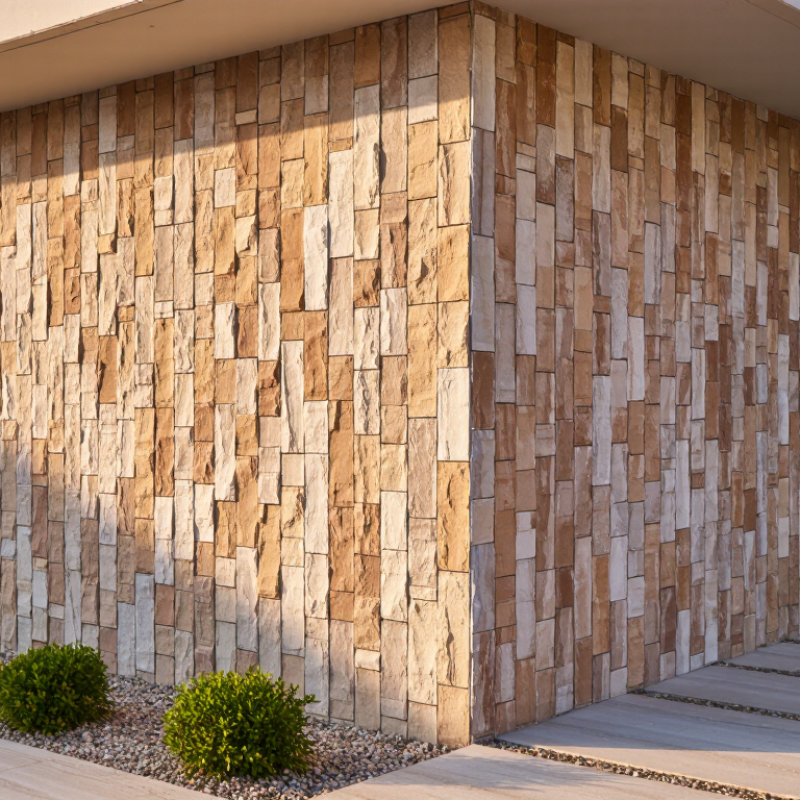
Imitation stone paint is a decorative coating designed to suggest the color, depth, and texture of natural stone. It does not turn a wall into stone. Instead, layered coatings and surface patterns create a similar visual effect with less weight. The finish may resemble limestone, granite, or weathered masonry, depending on the materials and application method.
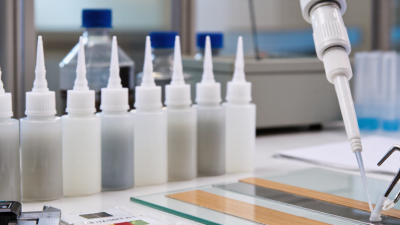
A typical system uses a prepared surface, a primer, and one or more textured coats. Mineral fillers add body, while pigments create the base color. Applicators may use a trowel, sponge, or brush to form irregular marks and soft color changes. A final glaze can deepen shadows between raised areas. Let each coat dry as directed. Rushing this step can leave uneven color or weak adhesion.
The result depends heavily on the wall beneath it. Dust, moisture, and loose paint can interfere with bonding, so surface preparation matters. Small test panels help show how the texture looks in changing light. That matters. Even careful work may not copy natural stone exactly; slight differences often make the finish feel more believable. Consider the wall’s exposure and cleaning needs before choosing a coating system.
Where It Can Be Used in a Project
Where It Can Be Used in a Project
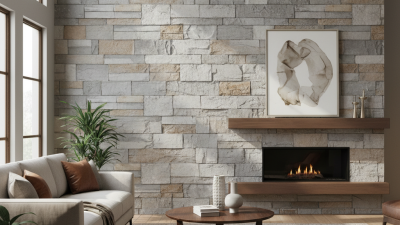
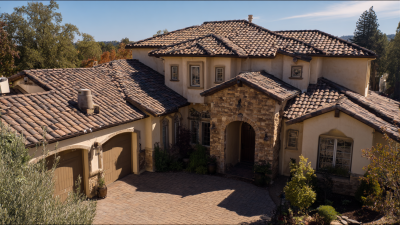
Imitation stone paint suits surfaces where texture and visual warmth matter more than structural stonework. On exterior walls, rendered façades, entrance columns, and garden walls, it can create a stone-like finish without adding heavy masonry. Indoors, it can define a hallway feature wall or surround a fireplace exterior. Keep it away from the firebox, floors, and surfaces exposed to standing water. Not every wall is suitable.
Substrate condition comes first. Apply only over sound, compatible masonry or render, and follow the coating system’s preparation requirements. The U.S. Department of Energy’s Energy Saver guidance estimates that air leakage accounts for 25%–40% of heating and cooling energy use in a typical home. That figure is not a paint-performance claim; it’s a reminder to repair gaps and moisture problems before decorating. A coating cannot fix either.
Budget and access also shape where it works best. The 2024 Houzz & Home Study reported a median U.S. home-renovation spend of $24,000 for 2023, making targeted surface updates worth considering alongside larger work. A small entry wall can be a sensible trial area. Test the color and texture there first; results may look uneven in changing light, and that deserves a second look.
Why Choose Imitation Stone Paint for Your Project?
Common project areas where imitation stone paint can be used
Imitation stone paint is commonly used on exterior façades, interior feature walls, columns, boundary walls, and entrance areas. Suitability depends on the substrate, surface preparation, and the coating system selected.
How It Compares with Natural Stone Finishes
Imitation stone paint can suggest limestone, slate, or cut blocks without adding heavy cladding. On a rendered wall, a skilled applicator can layer a warm base coat, darker joints, and fine mineral-like mottling. From the pavement, the effect may read convincingly. At arm’s length, it remains a painted surface. It does not reproduce stone’s weight, cool touch, or naturally varied edges.
Natural stone offers genuine depth and individual veining, but it needs suitable support, careful fixing, and attention to joints and water paths. Painted finishes are lighter and often simpler to apply over sound, prepared substrates. Their weak point is wear: exposed corners, busy entrances, and poorly sealed surfaces can lose definition sooner. I would not call paint a stone replacement in every setting. That distinction matters.
The World Green Building Council’s 2019 report, Bringing Embodied Carbon Upfront, attributes about 11% of global energy-related carbon emissions to building materials and construction. That is a whole-sector estimate, not a direct comparison of stone and decorative paint. Still, it supports checking material quantities, service life, and maintenance rather than judging by appearance alone. Ask for coating-system data, including coverage, expected recoating interval, and substrate requirements. Then compare those figures with the stone’s thickness, transport, fixing method, and likely upkeep. The answer can be less obvious than the sample board.
Benefits and Limitations to Consider
Imitation stone paint can create a textured, stone-like finish without the weight, cost, or joints of masonry. It may suit a sound rendered wall or concrete feature, especially where adding stone would be impractical. But the finish depends heavily on preparation. Dust, salts, hairline cracks, and moisture can undermine adhesion or lead to blistering. Ask for project-specific test results covering adhesion, water absorption, vapor permeability, UV exposure, and freeze-thaw resistance. A small color sample proves little. That detail matters.
There are limits. Texture can vary with the applicator, and patch repairs may show under low, grazing light. The coating also will not fix damp walls or unstable render. The U.S. EPA’s 2018 Construction and Demolition Debris Report estimated 600 million tons of such debris in the United States; about 455 million tons went to beneficial use, while 145 million tons were landfilled. Those figures do not prove that decorative coatings reduce waste. They do make durability worth checking. Ask how often the finish needs recoating, what cleaning it tolerates, and how repairs are handled. Not always an easy answer. A polished sample may hide the unevenness of a real wall.
How to Choose, Apply, and Maintain It
Choosing imitation stone paint starts with the wall, not the color chart.
Check whether the surface is concrete, render, or previously coated, then repair cracks and remove dust, grease, and loose paint. A small sample panel reveals how the texture looks in changing daylight. Test adhesion, too. For a rough finish, use the specified primer and compatible tools; a roller, trowel, or spray system can produce noticeably different patterns.
Application conditions matter.
Follow the product data sheet for temperature, humidity, dilution, coat thickness, and drying intervals. Apply evenly, keeping a wet edge where possible, and avoid painting a sun-heated wall or working before rain. Those shortcuts can leave visible seams or uneven texture. They happen. The U.S. Environmental Protection Agency’s architectural-coatings rules set VOC limits by coating category, so check the applicable product documentation rather than assuming all decorative coatings are alike.
Maintenance begins with realistic expectations.
Inspect exposed walls each year for hairline cracks, peeling, or water staining; fix the moisture source before recoating. Clean with a soft brush and mild detergent, testing an inconspicuous spot first. Grand View Research estimated the global paints and coatings market at USD 179.98 billion in 2023, but market growth does not prove a coating’s durability. Ask for technical data on adhesion, weather exposure, and recommended repainting intervals. A stone-like finish can disguise minor variation, not poor preparation.