2026 Top Silicone Adhesive Tape Trends for Global Buyers?
The demand for Silicone Adhesive Tape is on the rise globally. According to a recent report by MarketsandMarkets, the silicone adhesive tape market is projected to grow at a CAGR of 7.5% from 2021 to 2026. This growth reflects the increasing use of silicone adhesive tapes in various industries, such as automotive, electronics, and medical applications. Industry expert Dr. Sarah Thompson highlights, "Silicone adhesive tapes are becoming essential for high-performance applications due to their unique properties."
As we move toward 2026, several trends are emerging in the Silicone Adhesive Tape market. Manufacturers are focusing on product innovation, such as enhanced adhesive strength and environmental sustainability. For instance, many companies are now experimenting with bio-based silicone adhesive formulations. However, there is a need for caution as these new formulations may not always meet performance expectations.
Moreover, buyers should be aware that the market landscape is evolving rapidly. This opens opportunities for new entrants and established players alike. Yet, it also poses challenges, particularly in maintaining product quality and compliance with international standards. The success of Silicone Adhesive Tape in future applications will depend on balancing innovation with reliability.

Emerging Materials in Silicone Adhesive Tapes for 2026
In 2026, the silicone adhesive tape market is poised for significant growth. Emerging materials are redefining product performance and applications. According to a recent industry report, the global silicone adhesive tape market is projected to reach $7.5 billion by 2026, driven by innovations and sustainable materials.
One noteworthy trend is the use of bio-based silicones. These materials offer improved adhesion and environmental benefits. Experimentation with hybrid formulations is also on the rise. These tapes combine silicone with other polymers to enhance strength and durability. For example, blends with eco-friendly resins are gaining traction. They are beneficial in industries such as healthcare and electronics.
However, challenges persist. Sourcing sustainable materials remains a hurdle. Additionally, there are concerns regarding the long-term performance of new formulations. Manufacturers need to balance innovation while ensuring reliability. As the market evolves, buyers must stay informed of these trends. They should also be cautious about unproven materials entering the market. Understanding these dynamics is crucial for making informed purchasing decisions in 2026.
Innovative Applications of Silicone Adhesive Tapes Across Industries
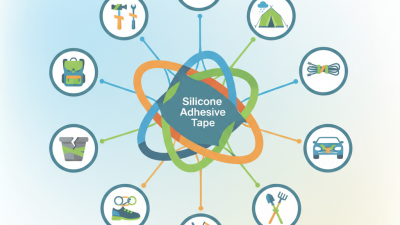
Silicone adhesive tapes are transforming industries with their unique properties and applications. They are heat-resistant, flexible, and durable. These features make them suitable for various uses. In automotive manufacturing, they provide insulation and bonding solutions. This reduces the risk of damage during assembly. Their waterproof and weather-resistant qualities are also vital for outdoor applications.
In the electronics sector, silicone adhesive tapes are essential for insulation and protection. They aid in managing thermal issues in devices. Yet, there are challenges. Not all silicone tapes perform equally under extreme conditions. Some may lose adhesion over time. Continuous research is crucial to ensure reliability, especially in critical applications.
Innovative uses are expanding rapidly. From healthcare to construction, these tapes promise versatility. In medical devices, they offer secure adherence while remaining gentle on the skin. However, quality control is paramount. Variability in manufacturing can lead to inconsistent results. Addressing these issues is critical for widespread adoption. The future of silicone adhesive tapes seems promising, but monitoring quality will determine their success.
2026 Top Silicone Adhesive Tape Trends for Global Buyers
| Application Area |
Market Growth Rate (%) |
Key Features |
Leading Industry |
Geographical Demand |
| Automotive |
8.5% |
High-temperature resistance, durability |
Transportation |
North America, Europe |
| Electronics |
10.2% |
Electrical insulation, flexibility |
Electronics |
Asia Pacific, North America |
| Construction |
7.0% |
Weatherproof, adhesion strength |
Construction |
Europe, Middle East |
| Medical |
12.0% |
Hypoallergenic, sterilizable |
Healthcare |
Global |
| Aerospace |
6.5% |
Lightweight, high-strength |
Aerospace |
North America, Europe |
Sustainability Trends Influencing Silicone Adhesive Tape Production
The shift towards sustainability is reshaping the silicone adhesive tape industry. According to a recent market research report by Grand View Research, the global silicone adhesive tape market size is projected to reach $5.6 billion by 2026. This growth reflects an increasing demand for environmentally friendly solutions. Manufacturers are investing in eco-friendly materials and processes to meet consumer expectations.
Adopting sustainable practices can be challenging. Many companies face barriers in sourcing recyclable materials. However, some have begun using bio-based silicones. This shift not only lowers the carbon footprint but also appeals to eco-conscious buyers. For instance, the use of water-based adhesives is gaining traction in tape production. This innovation reduces harmful emissions during manufacturing.
Consumer awareness plays a crucial role here. A survey by the Sustainable Packaging Coalition found that 72% of consumers are willing to pay more for sustainable products. As such, brands that prioritize sustainability could see enhanced loyalty and market share. Yet, the industry still grapples with balancing cost and eco-friendly practices. The journey towards sustainability is complex and requires persistent effort and innovation.
Key Manufacturers and Market Leaders in the Silicone Adhesive Tape Sector
The silicone adhesive tape sector is vital for various industries. Various manufacturers lead the market with innovative products. These companies focus on enhancing tape durability, performance, and versatility. The demand for silicone adhesive tape is growing. Industries are seeking reliable solutions for bonding and sealing applications.
When choosing silicone adhesive tape, consider the type of substrate. Not all tapes work well with every surface. Testing a small area before application can save time and resources. Gauge the temperature and environment where the tape will be used. High temperatures may affect performance and adhesion.
Look for manufacturers with a strong track record. Those with years of experience usually offer superior products. Stay updated on market trends to make informed decisions. Reviewing customer feedback can also provide insights into reliability. Evaluate the after-sales support offered by manufacturers. Quality service often reflects product excellence. Effective adhesive tape is an investment in any project.
Consumer Preferences Shaping the Future of Silicone Adhesive Tapes
Consumer preferences are shaping the silicone adhesive tape market significantly. A recent report highlights that the global silicone adhesive tape market is expected to reach $3 billion by 2026, growing at a CAGR of 6%. This growth aligns with new consumer demands, emphasizing sustainability and eco-friendliness. Buyers increasingly prefer products made from recyclable materials, leading manufacturers to explore innovative formulations.
Moreover, as industries prioritize efficiency and reliability, consumers show a preference for high-performance tapes. Reliable adhesive qualities are paramount. According to a survey, 72% of buyers are willing to pay more for advanced silicone adhesives that ensure durability and heat resistance. Interestingly, many consumers value user-friendly applications and quick installation processes.
Yet, challenges remain. Some manufacturers struggle to balance cost and quality. There's pressure to produce competitive products without compromising performance. Consumer feedback indicates that while high-quality, durable tapes are desired, many available options fall short in expectations, leading to dissatisfaction. Addressing these gaps is critical for industry players aiming to gain a loyal customer base.
2026 Top Silicone Adhesive Tape Trends for Global Buyers