inquiry
Leave Your Message

Which Is the Best Flexible Silicone Glue from China?

Choosing the best Flexible Silicone Glue from China starts with the job, not the product label. A sealant for a sunlit window faces different demands from an adhesive holding a vibrating appliance panel. Temperature swings, movement, moisture, substrate type, and cure time all matter. Small details matter.

Grand View Research estimated the global silicone market at USD 18.4 billion in 2023 and projected growth through 2030. This figure covers silicone products broadly, not silicone glue alone. It signals a large, active supply chain, but it cannot prove that any individual adhesive performs well. Buyers need product-level evidence.

A careful comparison should begin with the technical data sheet and safety data sheet. Check adhesion to the actual materials, Shore hardness, elongation, service temperature, cure depth, and storage life. Ask for test methods and results, such as tensile or peel testing, rather than relying on vague claims like “high strength.” That sounds simple. It isn’t. Results can change with surface preparation, bead size, and curing conditions. Request samples and test them on representative parts before ordering at scale. Confirm packaging, batch traceability, and whether the supplier can provide consistent documentation. These checks are practical, not glamorous. Yet they often separate a reliable choice from a costly surprise. This guide examines how to assess Chinese suppliers and compare flexible silicone adhesives using evidence, application fit, and realistic performance expectations. No single product is best for every assembly.
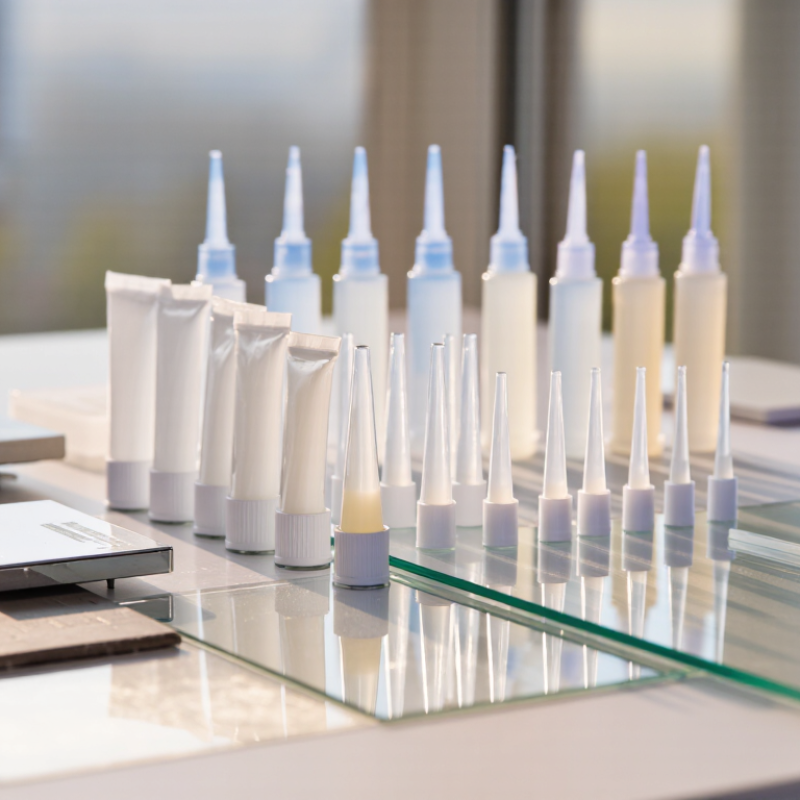
Which Is the Best Flexible Silicone Glue from China?

What Is Flexible Silicone Glue and How Does It Work?

Flexible silicone glue is an elastic adhesive and sealant that bonds surfaces while allowing them to move. Unlike a rigid epoxy, it can stretch slightly as materials expand, vibrate, or flex. This makes it useful for sealing joints, attaching lightweight parts, and reducing small gaps around household or workshop materials. Its performance depends on the specific formula and the surfaces being joined.

Most flexible silicone adhesives cure when they react with moisture in the air. A thin skin may form first, while the material underneath continues curing more slowly. Thick beads can take much longer to set fully.

Clean, dry surfaces usually help; dust, oil, or old sealant can weaken the bond. Glass and many metals are common bonding surfaces, but plastics vary. Some need a special primer, and some may not bond reliably at all.

Check the product’s technical data sheet for compatible materials, cure time, and application conditions. A small test patch is sensible. I have seen a neat-looking bead fail where a surface was still oily.

Tips: Apply an even bead, then press parts together gently. Leave room for movement, and avoid loading the joint before it cures. Check the label for ventilation and handling guidance.
Which Properties Define a High-Quality Silicone Adhesive?

A high-quality silicone adhesive stays elastic after curing, bonds reliably to the intended surfaces, and resists water and temperature changes. “Flexible” alone is not enough. For joint sealants, ASTM C920 provides a useful movement benchmark: Class 25 is rated for ±25% joint movement, while Class 50 is rated for ±50%. These figures apply to tested sealant products, not every silicone glue. Match the rating to the gap’s expected movement.

Adhesion should be tested on the actual materials, such as glass, metal, or ceramic—not assumed from a product description. ASTM C794 measures adhesion-in-peel for sealants, while tensile strength and elongation tests can help assess cured flexibility. Check the technical data sheet for cure time, hardness, service temperature, and surface preparation. A quick skin-over time can be handy, but it does not prove the adhesive has cured through a deep bead. Small details matter.

Tips: Apply a small test bead to clean, dry surfaces. Note the temperature and humidity, then allow the stated full cure time before testing the bond. Ask suppliers for recent, independent test reports that identify the test method and sample conditions. A neat sample is reassuring, but it is not proof.

What Types of Flexible Silicone Glue Are Made in China?

Flexible silicone glue made in China comes in several types, and the right choice depends on the materials, movement, and working conditions. One-part RTV silicone cures with moisture in the air. Acetoxy-cure versions often suit glass and ceramic, but may corrode some metals. Neutral-cure silicone is generally a better option for sensitive metals and electronics housings. Always check the product’s stated compatibility.

Two-part silicone adhesives mix a base and curing agent, then cure throughout the applied material. They can be useful for thicker sections or controlled production, where a consistent mixing process is possible. Flexible silicone sealants are another common type; they fill gaps and resist movement, but may offer less structural bonding than purpose-formulated adhesives. Some formulations tolerate elevated temperatures, while others prioritize electrical insulation or faster curing. The choice can feel untidy. No single type fits every job.

Tips: Read the technical data sheet for cure time, service temperature, and substrate guidance. Clean a small test area first, then check adhesion after full cure. A bead that looks dry may still be uncured inside. For critical assemblies, confirm performance with the supplier and run a practical sample test.

Which Is the Best Flexible Silicone Glue from China? - What Types of Flexible Silicone Glue Are Made in China?
Type Curing Method Typical Strengths Common Applications Important Limitations Best Fit
Acetoxy-cure RTV-1 silicone One-part material that cures at room temperature when exposed to moisture; releases acetic acid during cure. Convenient to use, flexible after curing, and commonly available in general-purpose grades. Glass, ceramic, and some non-corrosive household or construction sealing tasks. The acidic cure by-product can corrode some metals and may be unsuitable for sensitive electronics or certain substrates. Thick sections cure slowly. Simple sealing jobs on compatible, non-sensitive surfaces.
Neutral-cure RTV-1 silicone One-part, moisture-cured silicone. Depending on the formulation, the cure system may be alkoxy or oxime based. Flexible, easy to apply, and generally more suitable than acetoxy grades for many metals and building materials. Construction joints, window and façade sealing, metal assemblies, and selected electrical enclosures. “Neutral cure” does not guarantee compatibility with every substrate. Confirm adhesion, staining, and corrosion performance for the exact material and application. General-purpose sealing where an acidic cure by-product should be avoided.
Two-part condensation-cure RTV-2 silicone Two components are mixed before use; the material cures at room temperature. Mix ratio and working time depend on the product. Can cure in thicker sections than moisture-cured one-part products and is available in flexible potting and molding grades. Potting, encapsulation, flexible molds, and formed silicone parts. Requires accurate mixing and may release cure by-products. Cure time, shrinkage, hardness, and adhesion vary by formulation. Production work requiring a two-part flexible compound or a thicker cured section.
Two-part addition-cure RTV-2 silicone Two components react by addition curing, often using a platinum catalyst; some grades are designed for room-temperature or heat-accelerated curing. Often offers low-shrinkage curing and is available in a broad range of elasticities and hardnesses. Precision potting, molding, encapsulation, and applications requiring consistent cured dimensions. Some materials, including certain sulfur- or amine-containing substances, can inhibit platinum-catalyzed cure. Compatibility testing is advisable. Applications where low shrinkage and controlled curing are important.
Silicone pressure-sensitive adhesive (PSA) Supplied as a tacky adhesive, commonly as a coated film or tape; it bonds through applied pressure rather than a moisture-curing sealant process. Can remain flexible and maintain adhesion across a range of temperatures, depending on grade and construction. Flexible laminates, labels, tapes, and bonding to selected low-surface-energy materials. Performance depends on surface cleanliness, pressure, temperature, and the specific backing and adhesive formulation. It is not interchangeable with silicone sealant. Thin, flexible bonding where an immediate pressure-sensitive bond is needed.
Silicone adhesive-sealant hybrid Typically a one-part moisture-cured product formulated to provide both bonding and sealing. Combines elastic movement accommodation with adhesion to specified substrates. Assembly and sealing of selected appliances, panels, housings, and components. Adhesion, cure depth, paintability, and chemical resistance are formulation-specific; verify suitability for the actual materials and service conditions. Assemblies needing a flexible bond line that also seals against moisture or dust.
How to choose: There is no single “best” flexible silicone glue for every job. Select by substrate compatibility, required flexibility, joint movement, cure conditions, exposure, and whether the product must bond, seal, pot, or act as a pressure-sensitive adhesive. Always consult the product technical data sheet and test adhesion on representative surfaces.
Typical performance note: Cure time, working time, temperature range, hardness, and adhesion are product-specific. Environmental conditions, joint geometry, surface preparation, and formulation can significantly affect results; use published technical data rather than treating generic values as guarantees.

How Do You Choose the Best Silicone Glue for Your Application?

Choosing the best silicone glue starts with the materials being joined. Check whether the product is rated for both surfaces, such as glass and aluminum, or ceramic and painted wood. A flexible bond can handle movement, but it may not provide the strength needed for a load-bearing repair. Small details matter.

Look at the joint itself. A narrow seam between two panels needs different handling from a wide gap around a sink. Check the product’s movement range, temperature limits, and cure instructions against the real conditions. Outdoor joints may face sun, rain, and sharp temperature changes. Cure time can vary with bead depth, airflow, and humidity, so allow enough time before stressing the bond. Test before scaling.

Surface preparation is easy to underestimate. Remove dust, grease, and loose coatings, then follow the technical sheet for any primer or cleaning requirements. I would also test a small hidden area, especially on plastics or painted finishes; some surfaces bond poorly or may discolor. Compare the cured flexibility with the job’s needs, not just the glue’s feel straight from the tube. A neat bead is useful, but compatibility and correct curing matter more.

Which Silicone Glue Is Best for Your Application?

Typical room-temperature cure depth for common one-part RTV silicone types

Many one-part RTV silicone adhesives cure inward from exposed surfaces at roughly 2–3 mm per 24 hours. Cure speed alone does not determine the best choice: consider substrate compatibility, movement, temperature, exposure conditions, and whether the cure by-products suit your materials. These figures are indicative; check the specific product’s technical data sheet.

How Should Silicone Glue Be Tested and Applied Safely?

Test silicone glue on the actual materials, not just clean glass. Prepare identical coupons, record surface cleaning, bead thickness, temperature, and cure time. ASTM C794 measures peel adhesion for elastomeric sealants; ASTM D412 measures tensile properties of rubber-like materials. Choose a method that matches the joint and expected load. Pull samples at a steady rate, and note whether failure occurs at the surface or inside the cured adhesive. Small details matter. A single strong sample proves little, so test several and repeat after water or heat exposure. I still find cure time easy to underestimate.

Apply the glue with gloves and steady ventilation, following the product’s safety data sheet. Acetoxy-cure silicone can release acetic acid during curing. The NIOSH Pocket Guide lists a recommended exposure limit of 10 ppm as an eight-hour time-weighted average, and 15 ppm as a short-term limit. Avoid breathing concentrated vapors, especially in small rooms. Keep uncured material away from eyes and skin, and allow full cure before loading the joint. If irritation occurs, leave the area and seek fresh air. Don’t assume a dry surface means the center has cured.